← Back to Work

Case #FICO-DM-2024 · Product Modernization · FICO

Decision Modeler

IRIS Design System Migration
Product Design 2024–2025 Sr. Manager
01

Modernizing one of FICO's most widely used B2B products — migrating Decision Modeler to IRIS Design System as a key FY2025 initiative.

Timeline
2024–2025
Migration
90% by Oct
Role
Sr. Manager

Decision Modeler (DM) is one of FICO's most widely used B2B software products. The platform enables users to author, test, and optimize decision logic that drives higher profitability, reduces development costs, and allows organizations to quickly adapt to changing business conditions.

As part of FICO's broader product modernization and rebranding efforts, the team was tasked with upgrading Decision Modeler to align with IRIS Design System, creating a more consistent and scalable user experience across FICO platform.

“As a key FY2025 initiative, Decision Modeler team defined a roadmap to migrate the product to IRIS Design System.”

As a key FY2025 initiative, Decision Modeler team — including engineers, product managers, and stakeholders — defined a roadmap to migrate the product to IRIS Design System. I led a two-designer team responsible for executing the design effort and coordinating closely with engineering and product teams throughout the process.

Results of the modernization effort:

  • 90% Migration Complete — Completed 90% of the design system migration by October 2025.
  • Eliminated Rogue Components — Removed inconsistent, one-off UI components that had accumulated over years of independent development.
  • IRIS Adoption — Introduced IRIS components and patterns across the product.
  • Improved Consistency — Improved visual consistency and usability throughout the platform.
  • Feature Enhancements — Delivered new feature enhancements alongside the modernization effort.

I led a team of Product Designers supporting Decision Modeler, partnering closely with product managers and engineering teams to modernize the interface and align the product with IRIS Design System.

Responsibilities included:

  • Team Leadership — Led a two-designer product design team.
  • Design Reviews — Conducted design reviews to ensure consistency and quality.
  • Intake Management — Managed design intake requests from product managers through Jira.
  • Engineering Partnership — Partnered closely with engineering teams during implementation.
  • Pattern Decisions — Guided decisions around retaining, redesigning, or deprecating existing UI patterns.
02

Modernizing Decision Modeler required more than simply applying a new visual layer. The team needed to establish a design foundation that could support long-term product development.

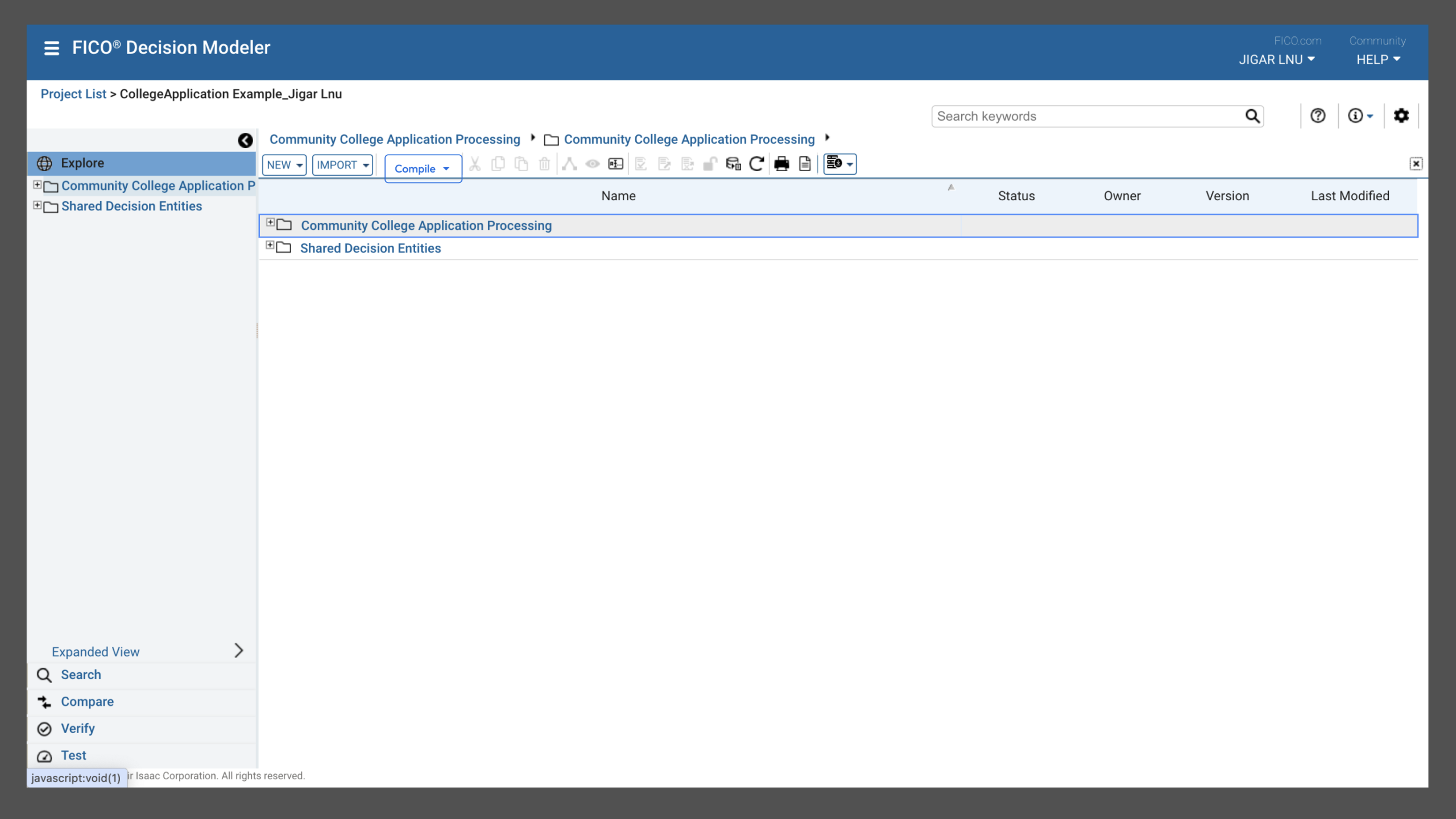
Iteration 00
The Challenge — a fragmented product foundation
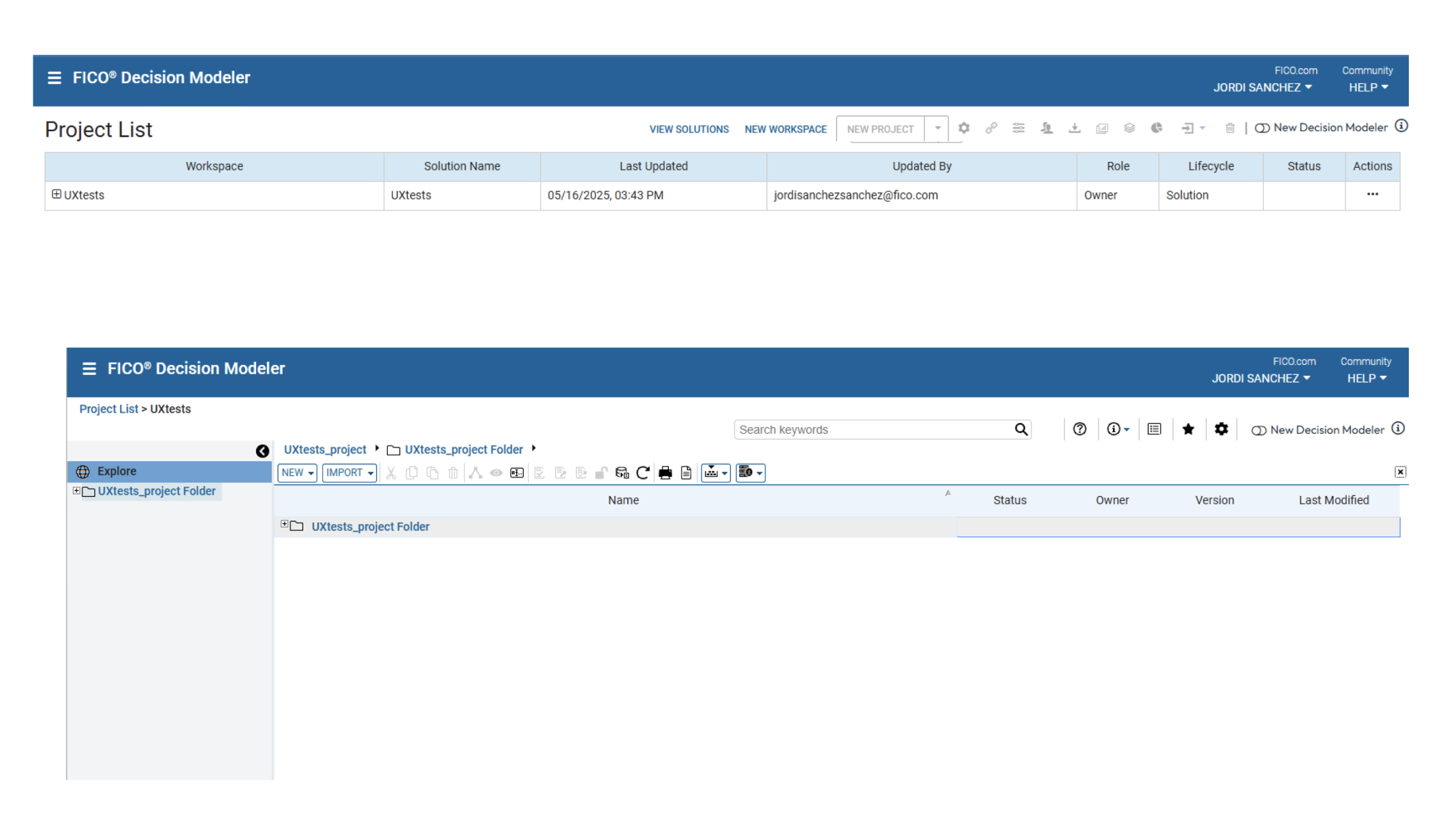
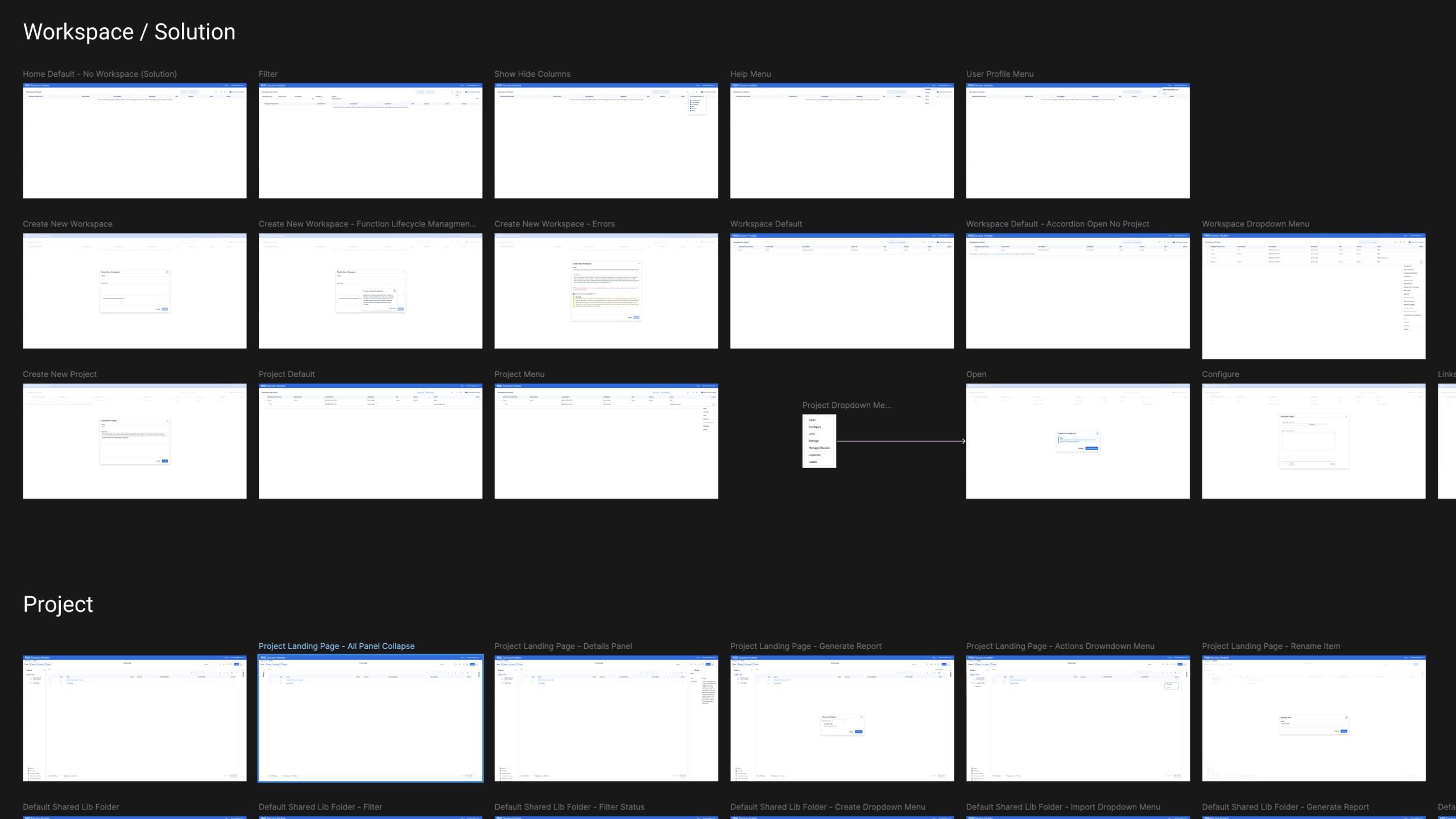
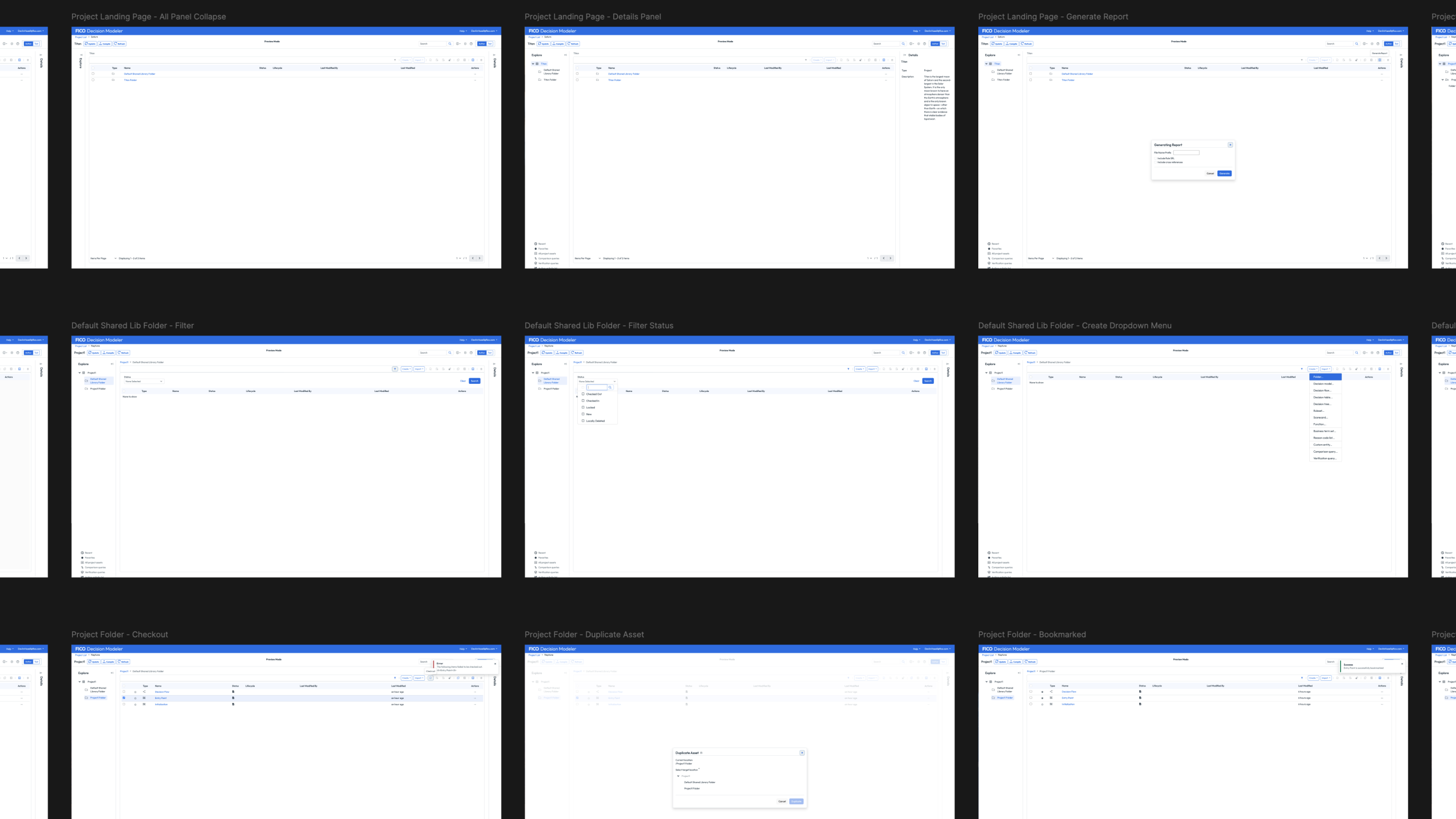
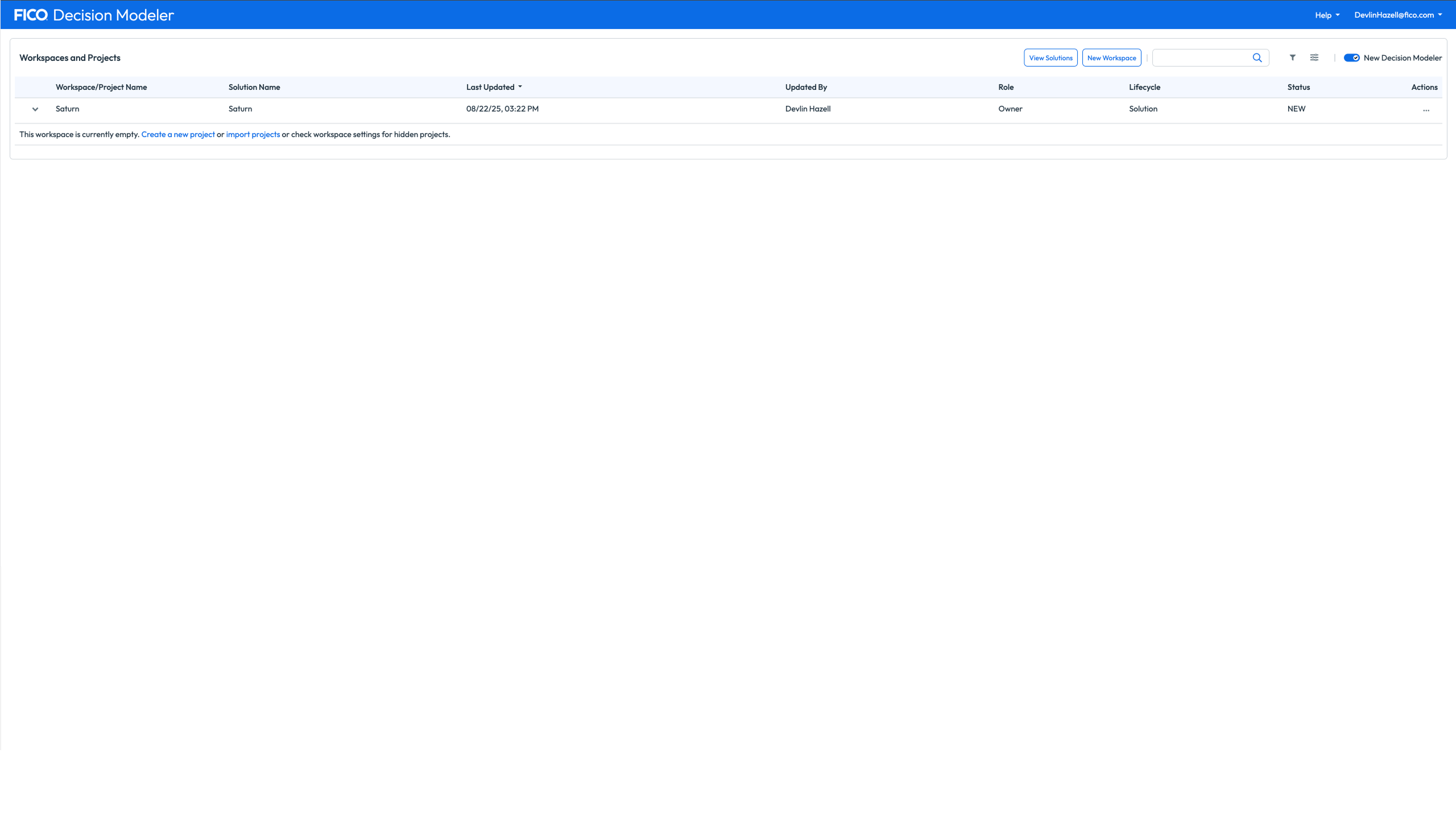
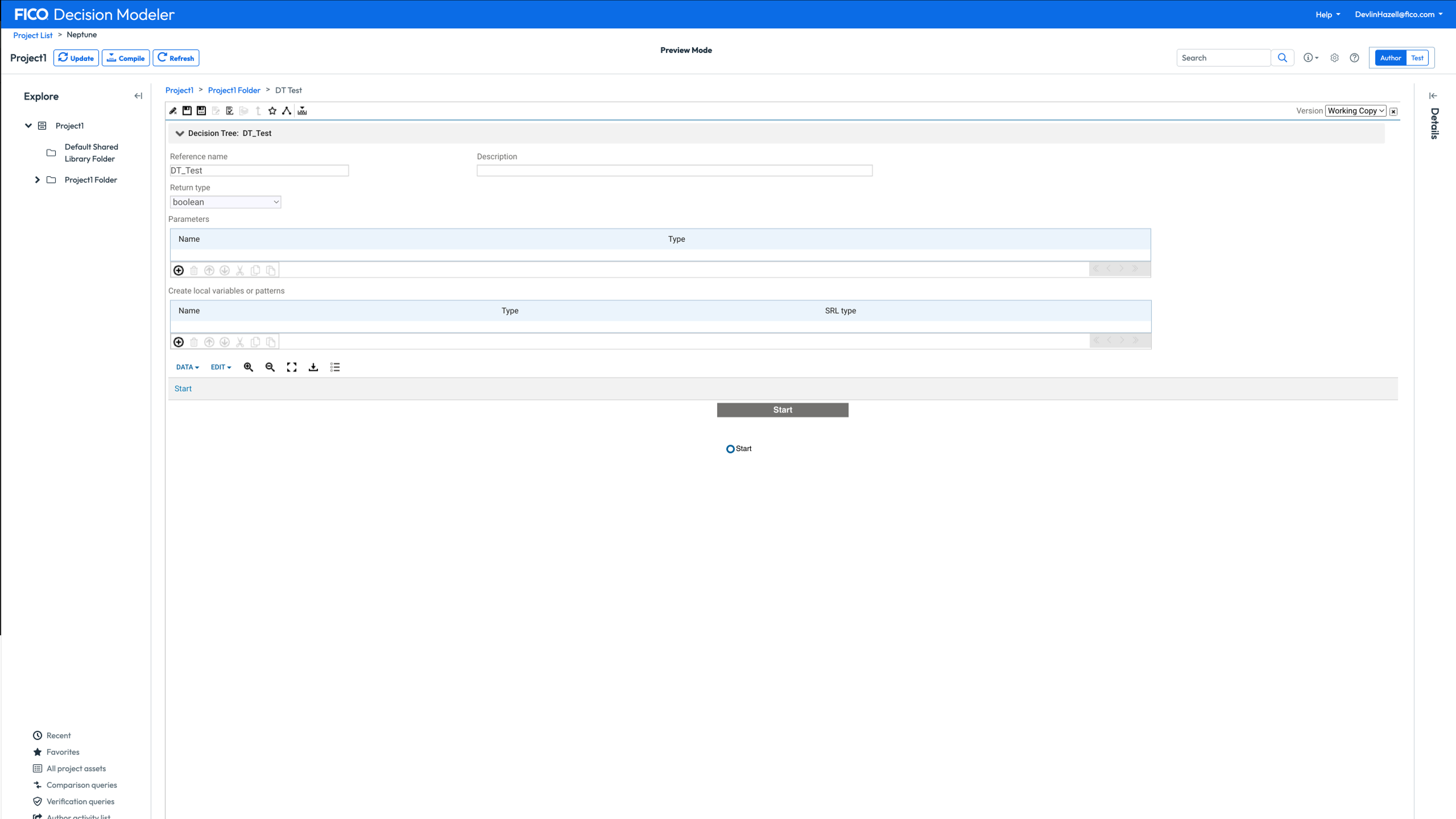
Decision Modeler had evolved over many years, resulting in several structural design challenges. These issues made it difficult to evolve the product efficiently while maintaining a cohesive user experience. Many screens were built directly in code, with limited design documentation or reusable design assets. Existing design files were scattered across tools and versions. Because UI decisions were made at different times by different teams, workflows and visual patterns varied across the product. Without a centralized design system or documented flows, making changes or introducing new features required significant effort and coordination.
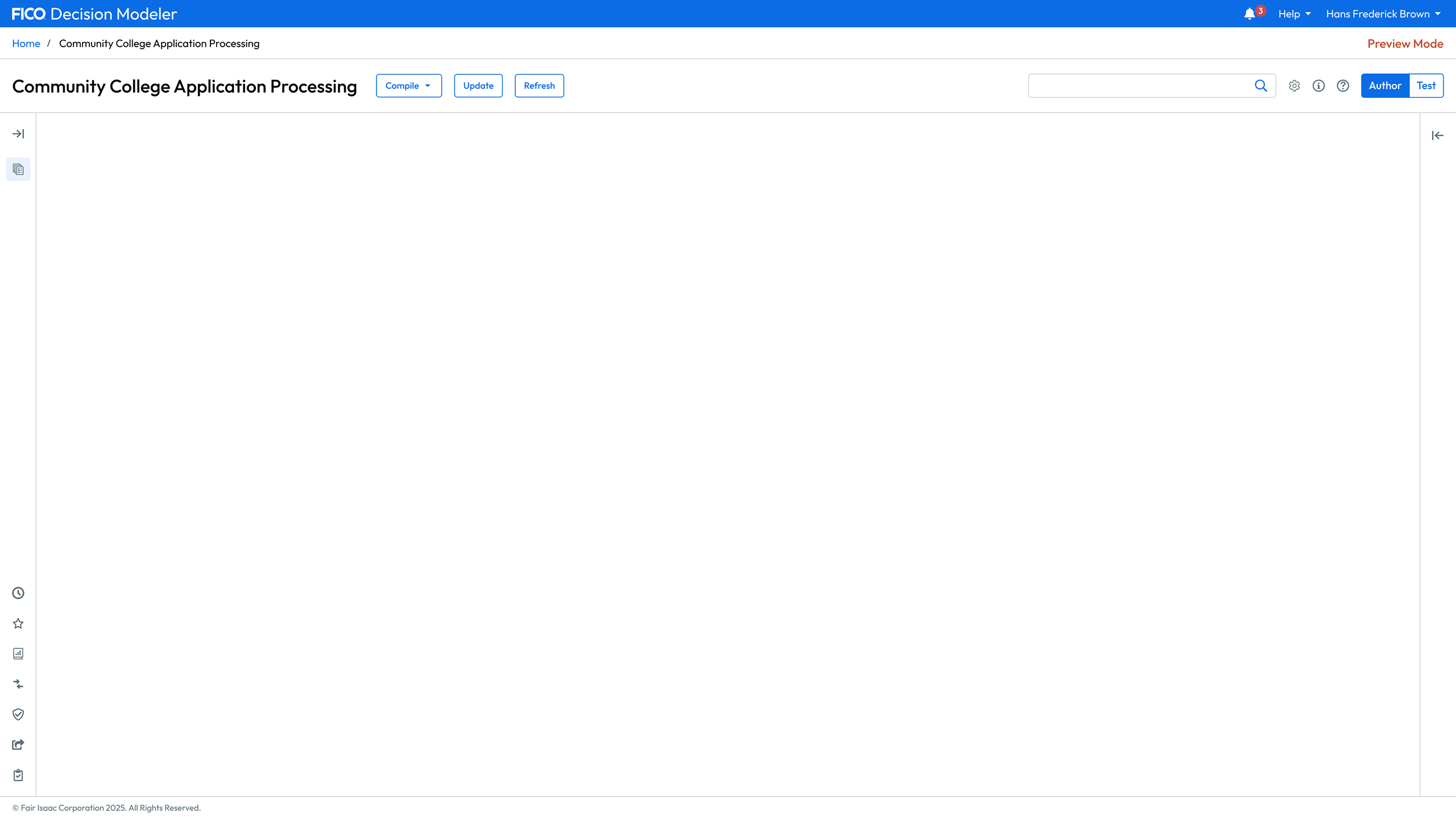
Decision Modeler — pre-migration state Decision Modeler — pre-migration state
Problem
Screens built in code with no design source of truth, inconsistent patterns across workflows
Goal
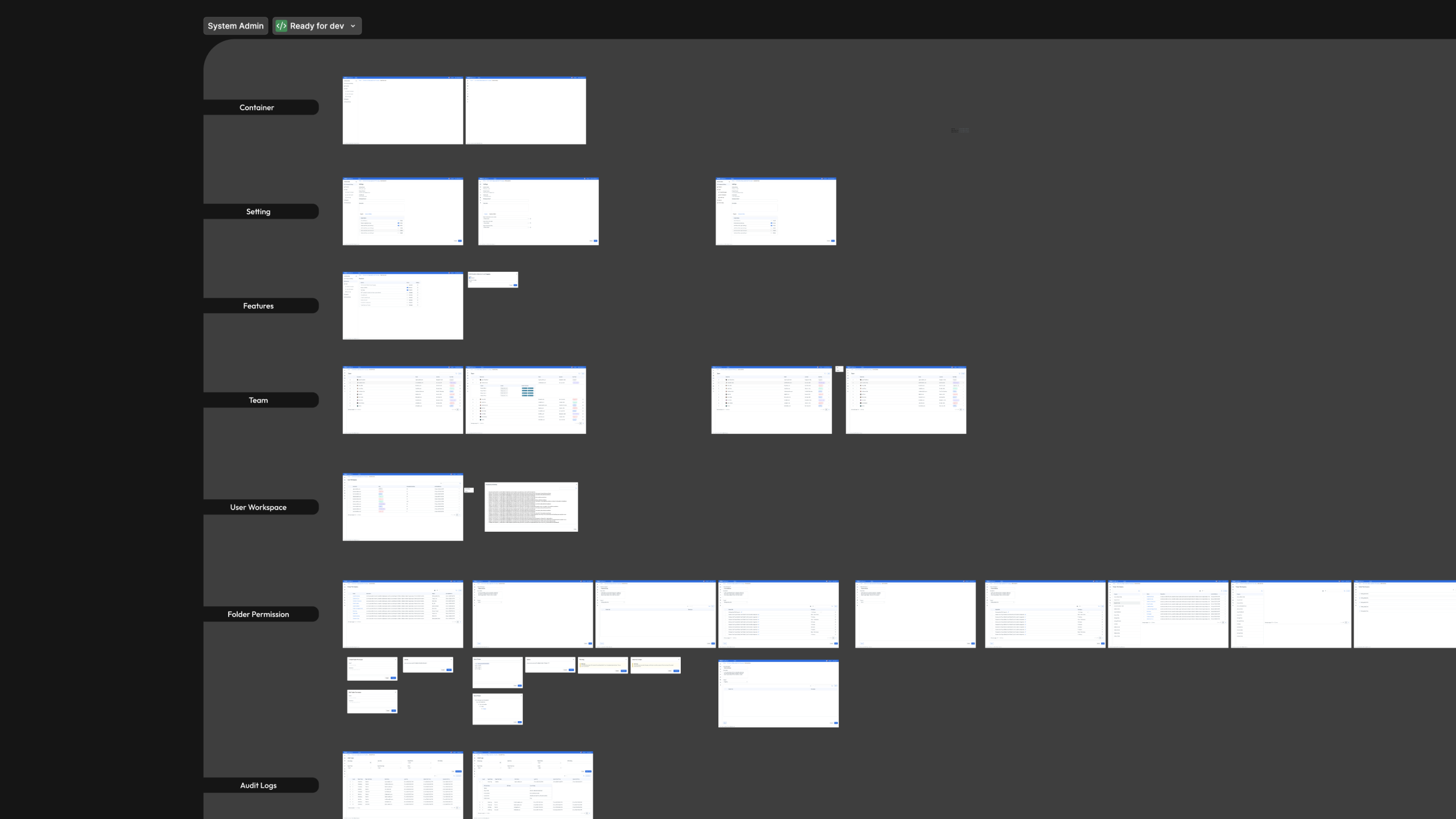
Centralized Figma file, IRIS component adoption, documented end-to-end flows
Iteration 01
Strategy — four pillars of modernization
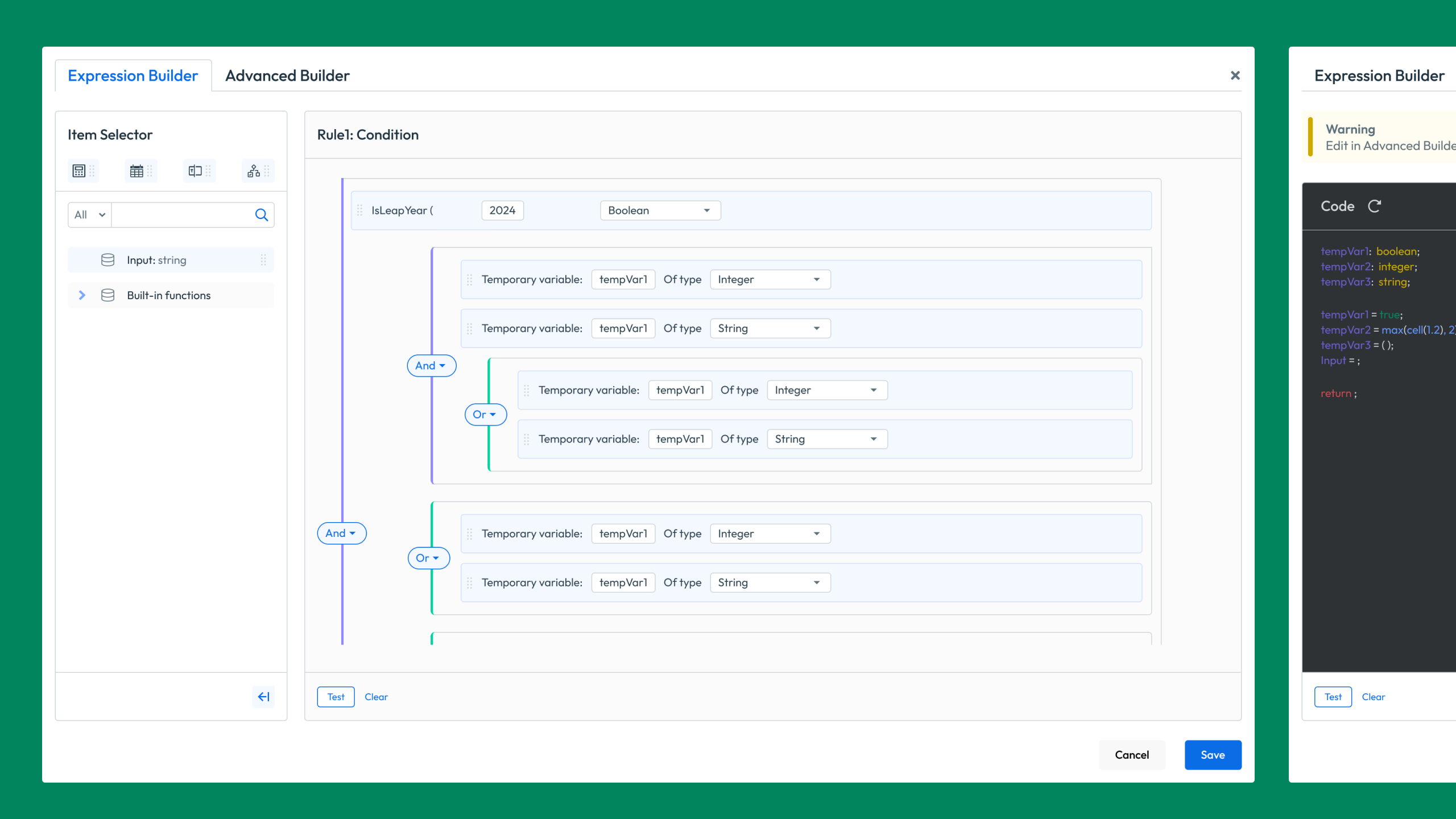
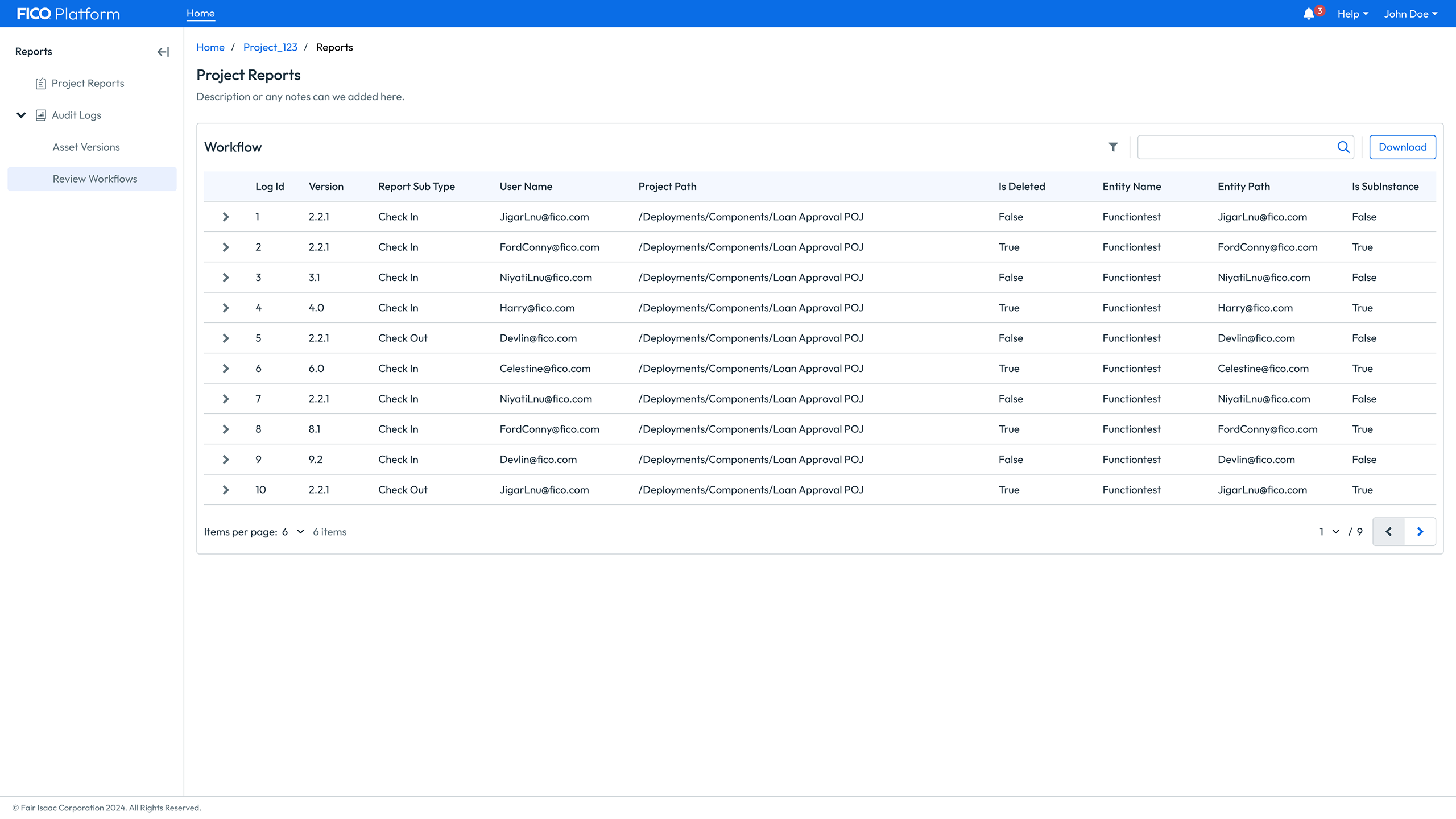
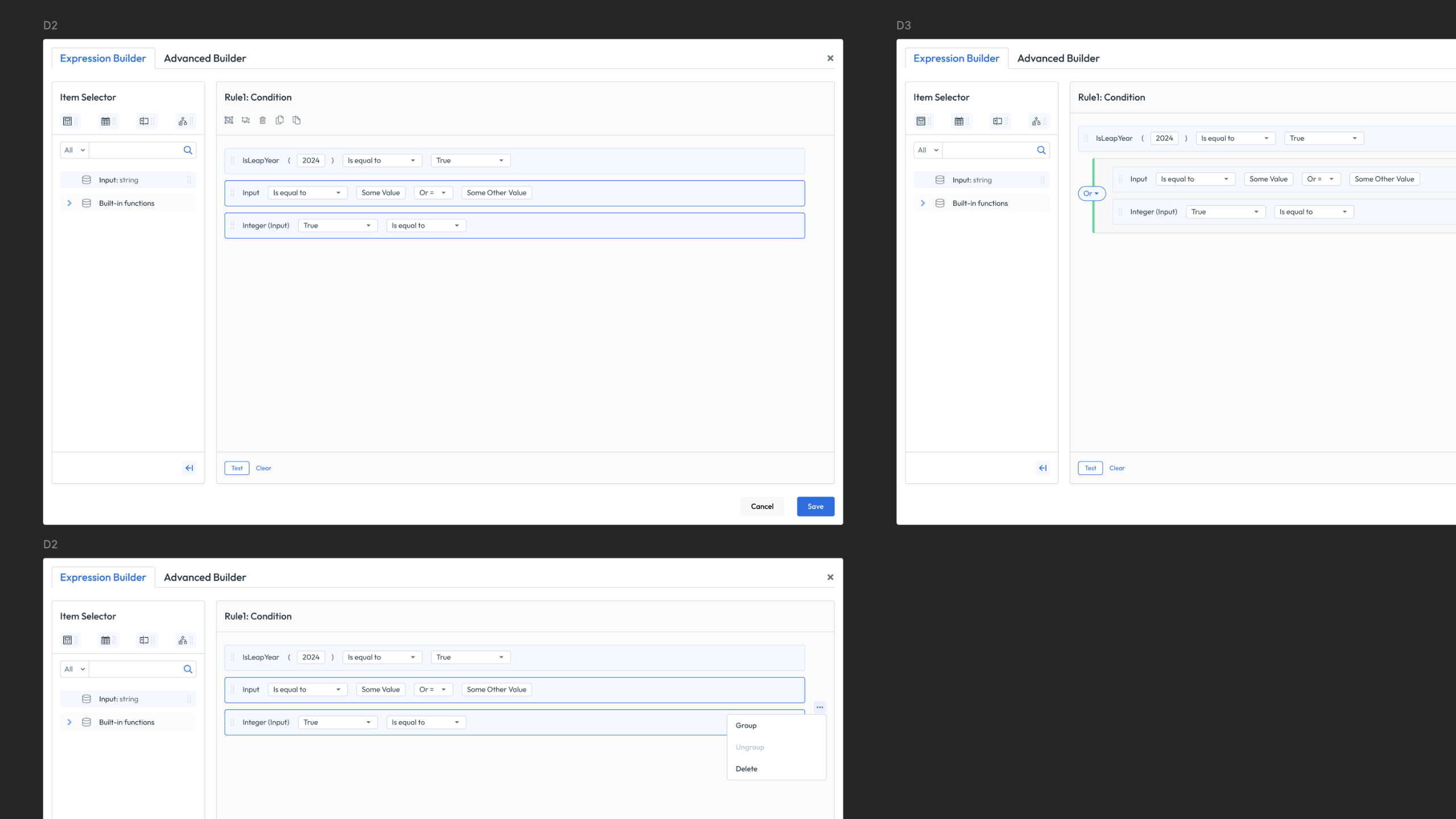
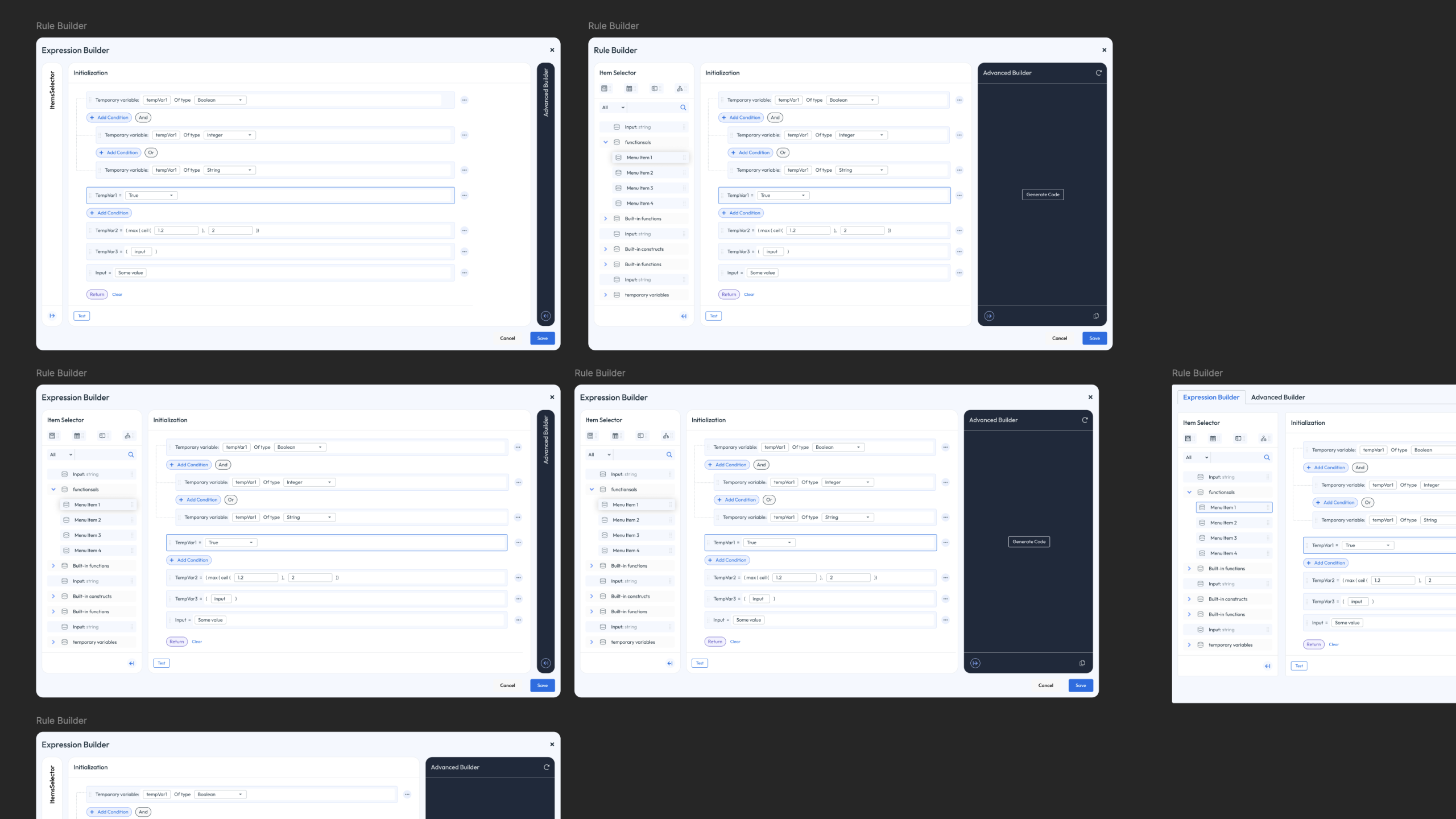
Our approach focused on three strategic priorities. First, we established a single design source of truth by creating a centralized Figma master file for Decision Modeler, enabling designers and engineers to reference one consistent system for product design decisions. Second, we translated existing UI into structured product flows. Because many interfaces existed only in code, we reconstructed workflows in design artifacts, uncovering inconsistencies, workflow gaps, and opportunities to simplify user interactions. Third, we aligned the product with the IRIS Design System by introducing standardized components, interaction patterns, and accessibility conventions that created a more cohesive and scalable user experience across the platform.
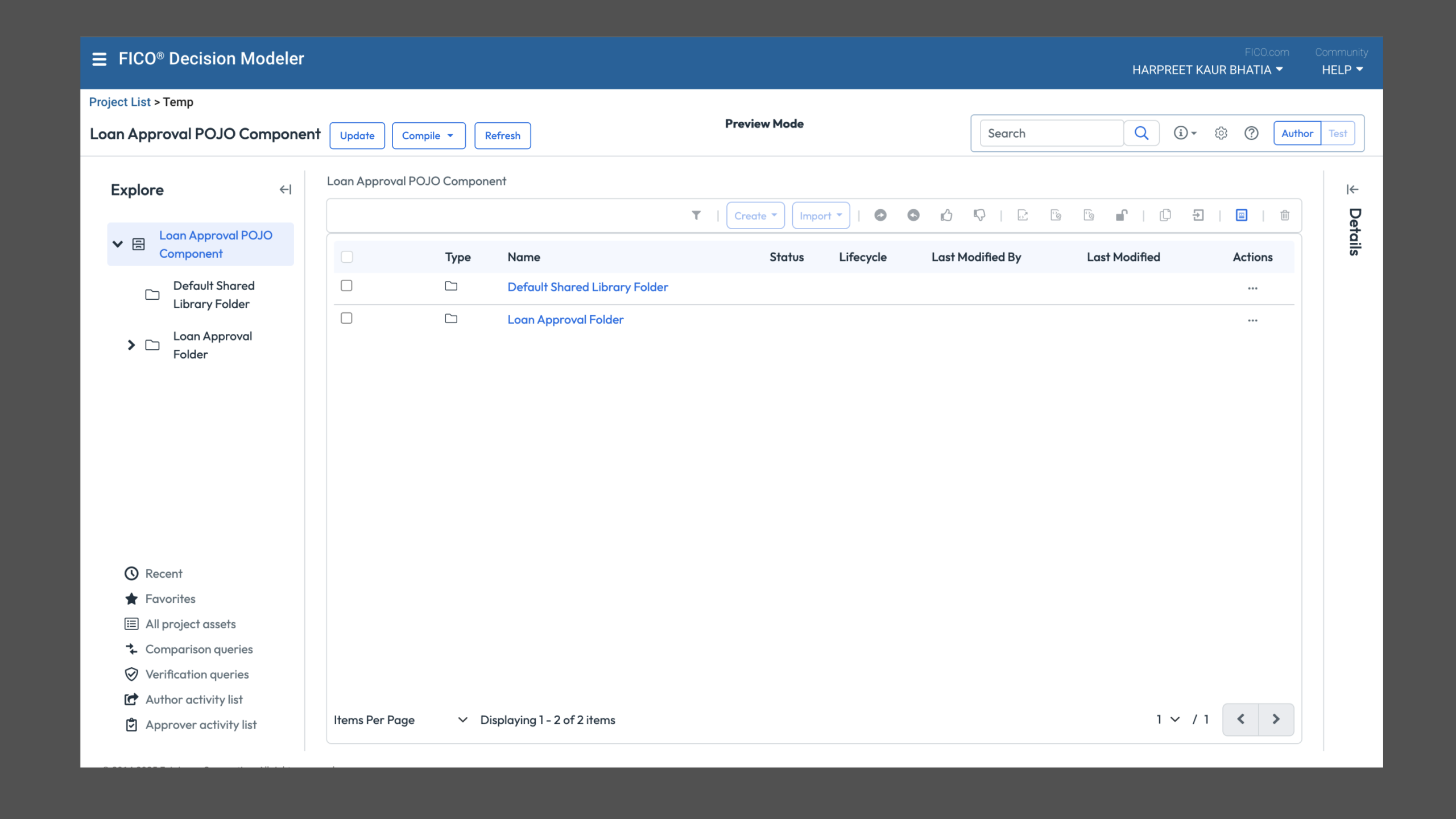
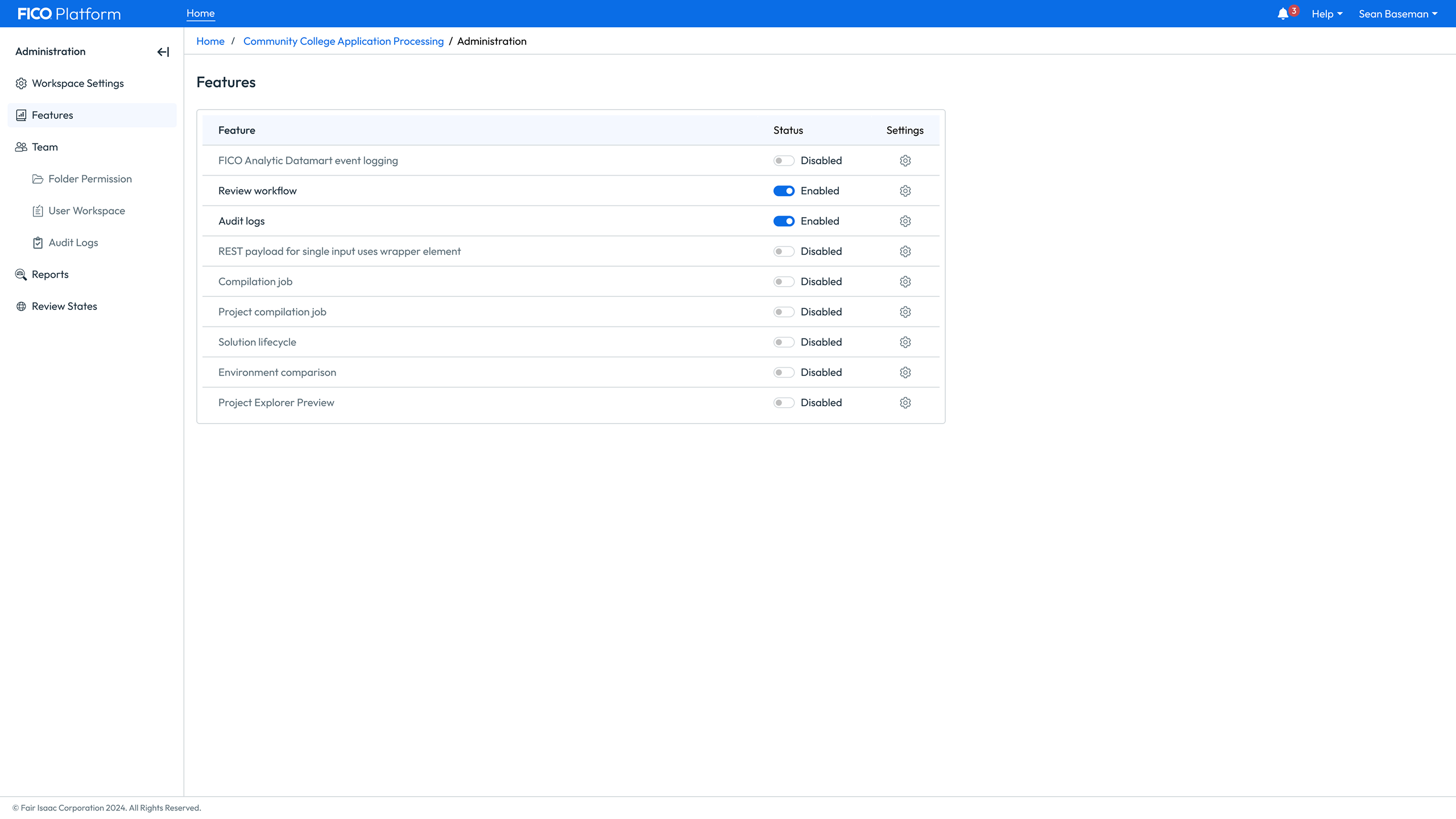
Decision Modeler — design system migration Decision Modeler — design system migration Decision Modeler — design system migration
Decision Modeler — IRIS component adoption Decision Modeler — IRIS component adoption
Iteration 02
Collaboration with engineering
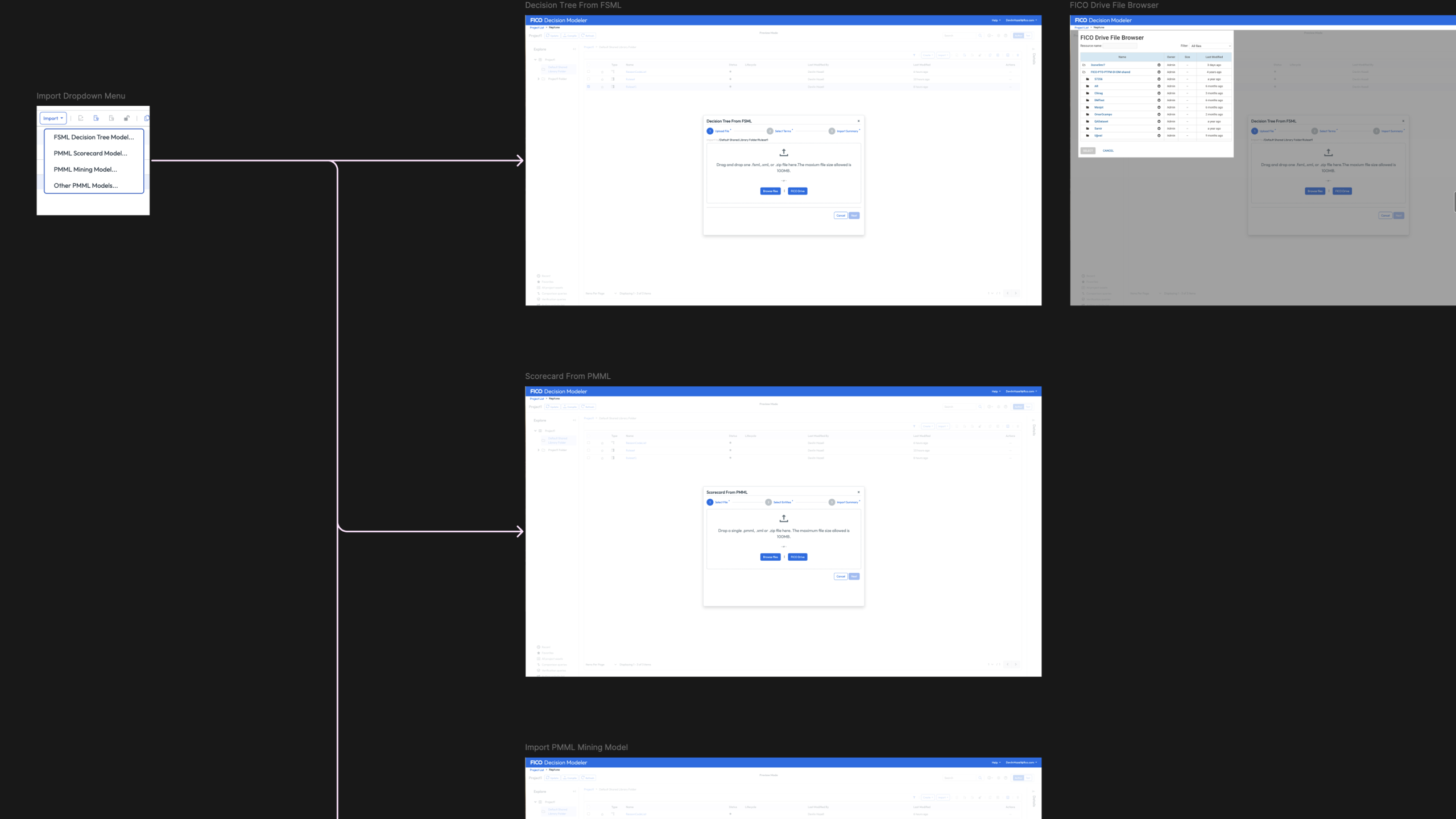
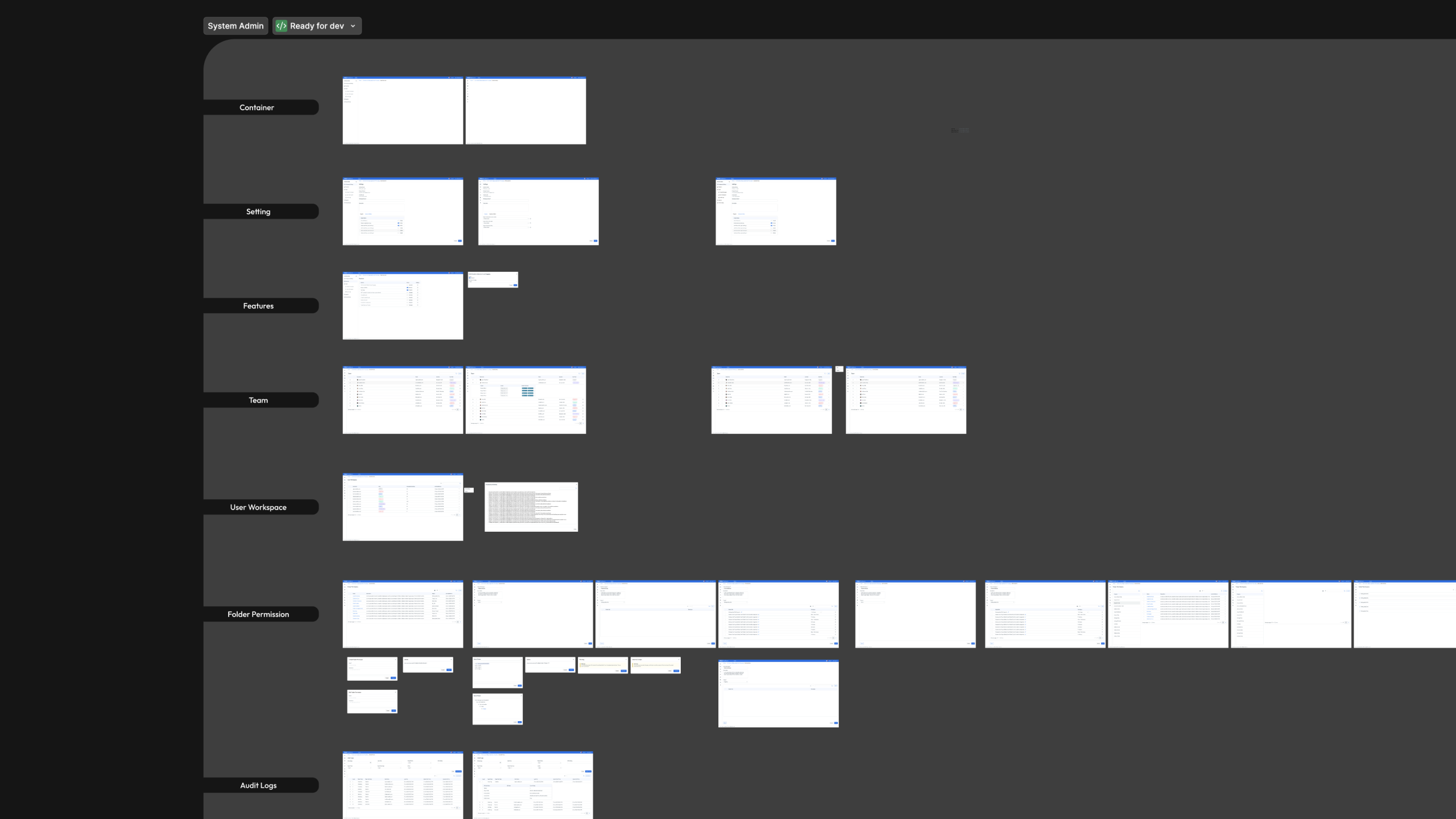
Because many screens existed only in production code, close collaboration with engineering was essential to accelerate the migration while minimizing disruption to ongoing product development. We worked together to map existing UI patterns to IRIS components, identify areas requiring redesign, validate implementation feasibility, and ensure design decisions aligned with development timelines. This tight partnership allowed design and engineering to move in lockstep — reducing handoff friction and keeping the migration on schedule.
Decision Modeler — engineering collaboration Decision Modeler — engineering collaboration
Before
Engineers building UI from production code with no shared design reference
After
Shared Figma source of truth enabling real-time design–engineering alignment
03
01
Improved Product Consistency
IRIS components standardized the visual and interaction patterns across the product, eliminating the inconsistencies that had accumulated over years of independent development.
02
Scalable Design Infrastructure
The centralized design file established a sustainable design foundation for future product updates — a single source of truth accessible to designers, engineers, and product managers.
03
Faster Feature Development
With reusable system components and documented flows, teams could implement new features more efficiently — reducing the coordination overhead that previously slowed delivery.

Decision Modeler — Modernized

Decision Modeler modernization successfully aligned one of FICO's core products with IRIS design system. Designers, product managers, and engineers could now reference a shared design source of truth — improving collaboration and accelerating delivery across the team.
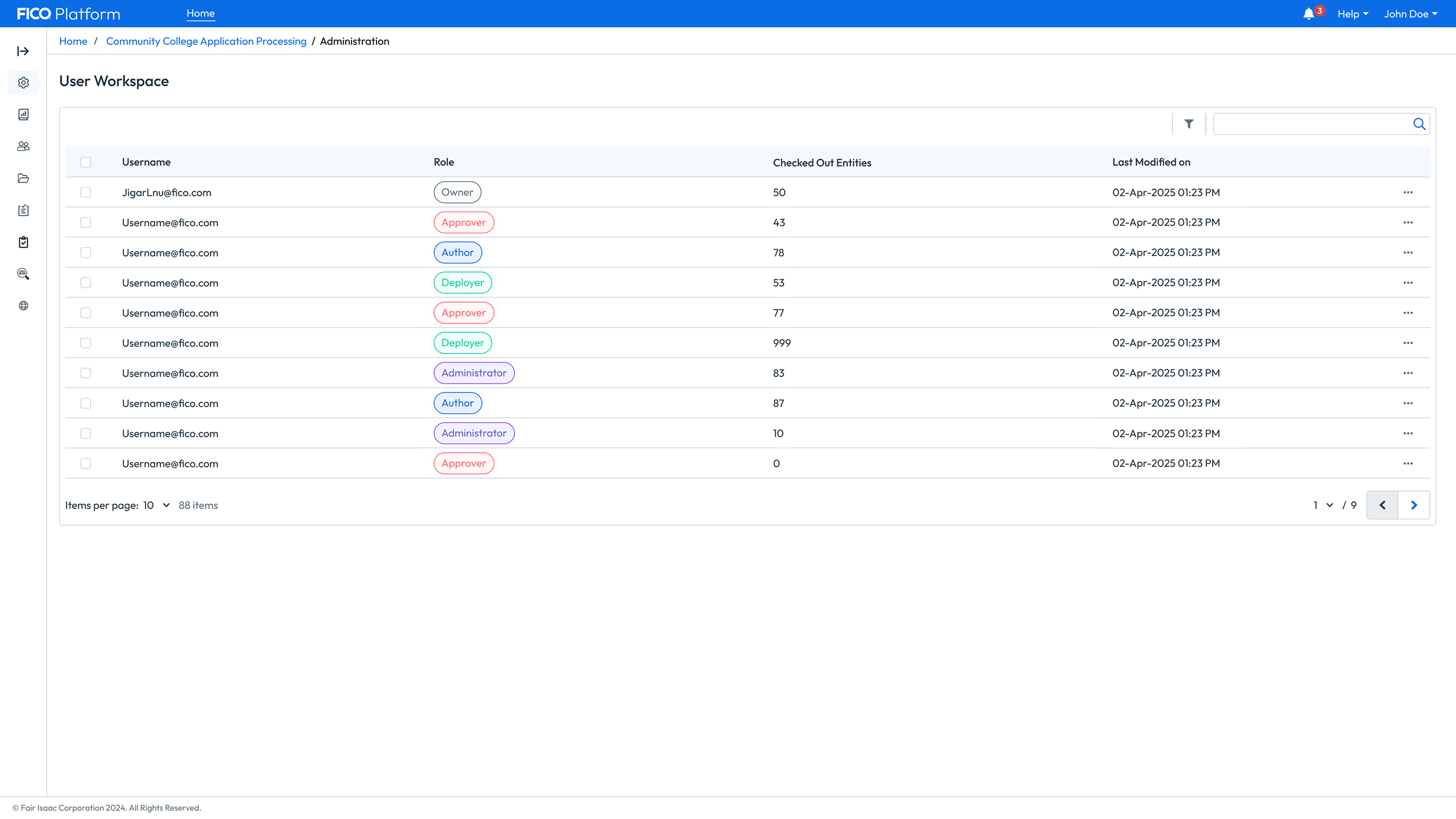
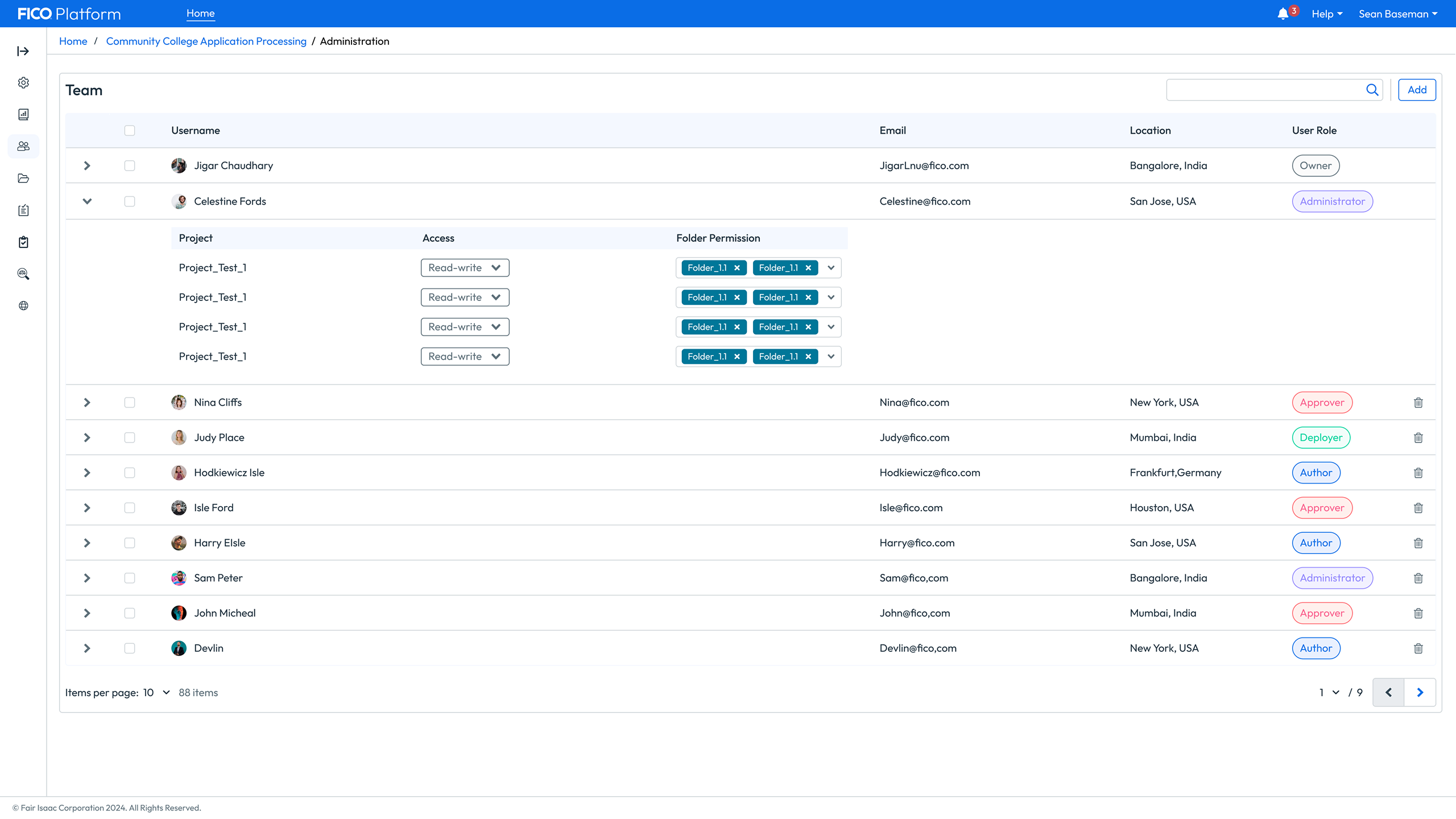
Decision Modeler — modernized UI Decision Modeler — modernized UI Decision Modeler — modernized UI
Decision Modeler — IRIS components Decision Modeler — IRIS components Decision Modeler — IRIS components
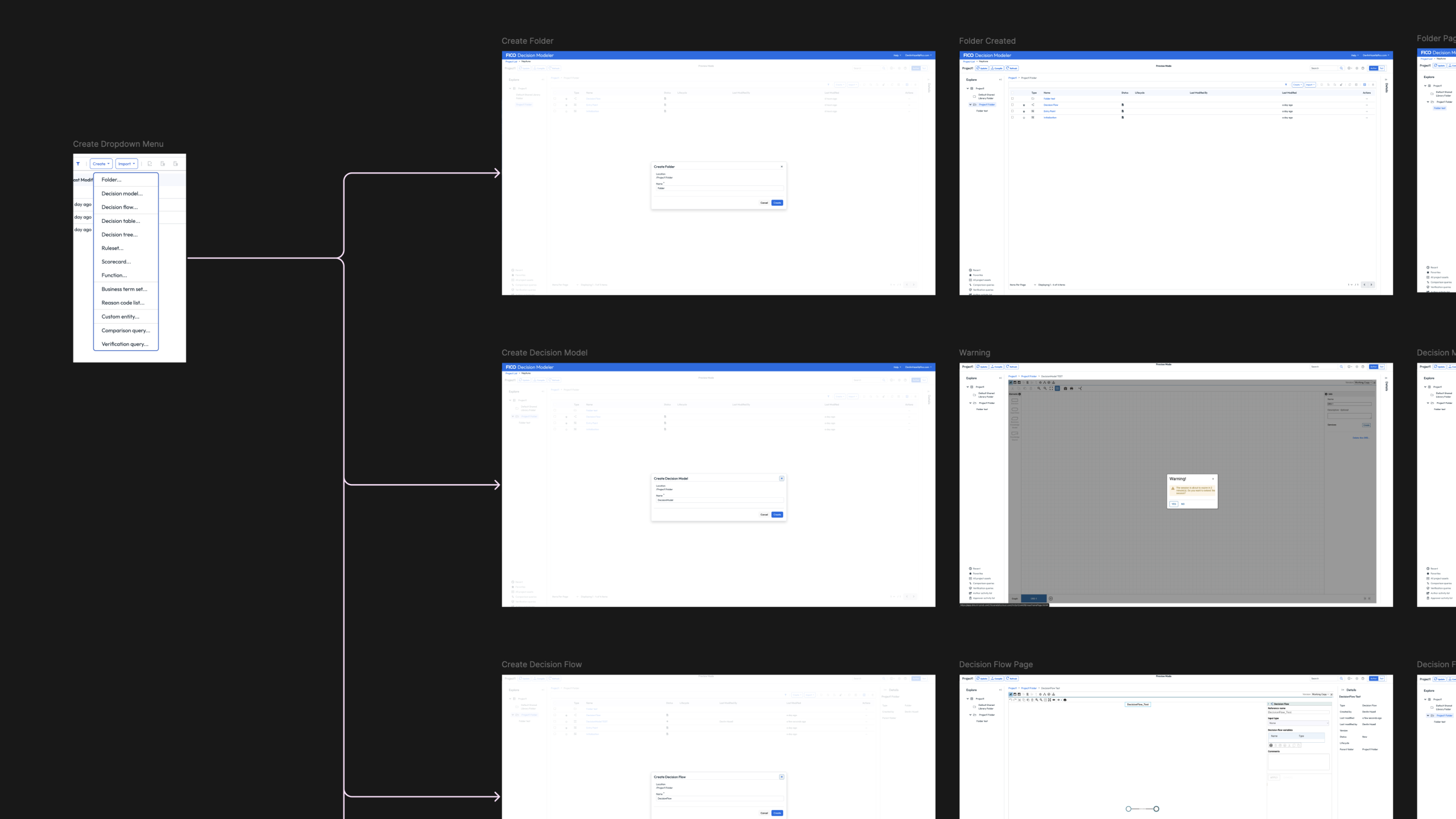
Decision Modeler — updated workflows Decision Modeler — updated workflows
Decision Modeler — feature enhancements Decision Modeler — feature enhancements Decision Modeler — feature enhancements
Decision Modeler — final state Decision Modeler — final state Decision Modeler — final state

Decision Modeler represents a focused modernization effort — translating years of fragmented, code-first UI into a documented, component-driven product experience. Every decision was grounded in real engineering constraints, team collaboration, and a commitment to long-term scalability through IRIS Design System.

By October 2025, 90% of the migration was complete — establishing a scalable foundation for the product's next chapter.