Case #FICO-2018 · Enterprise Platform Design · FICO
FICO Platform
FICO's flagship B2B platform — trusted by 130+ Tier 1 financial institutions worldwide, and continuously evolving.
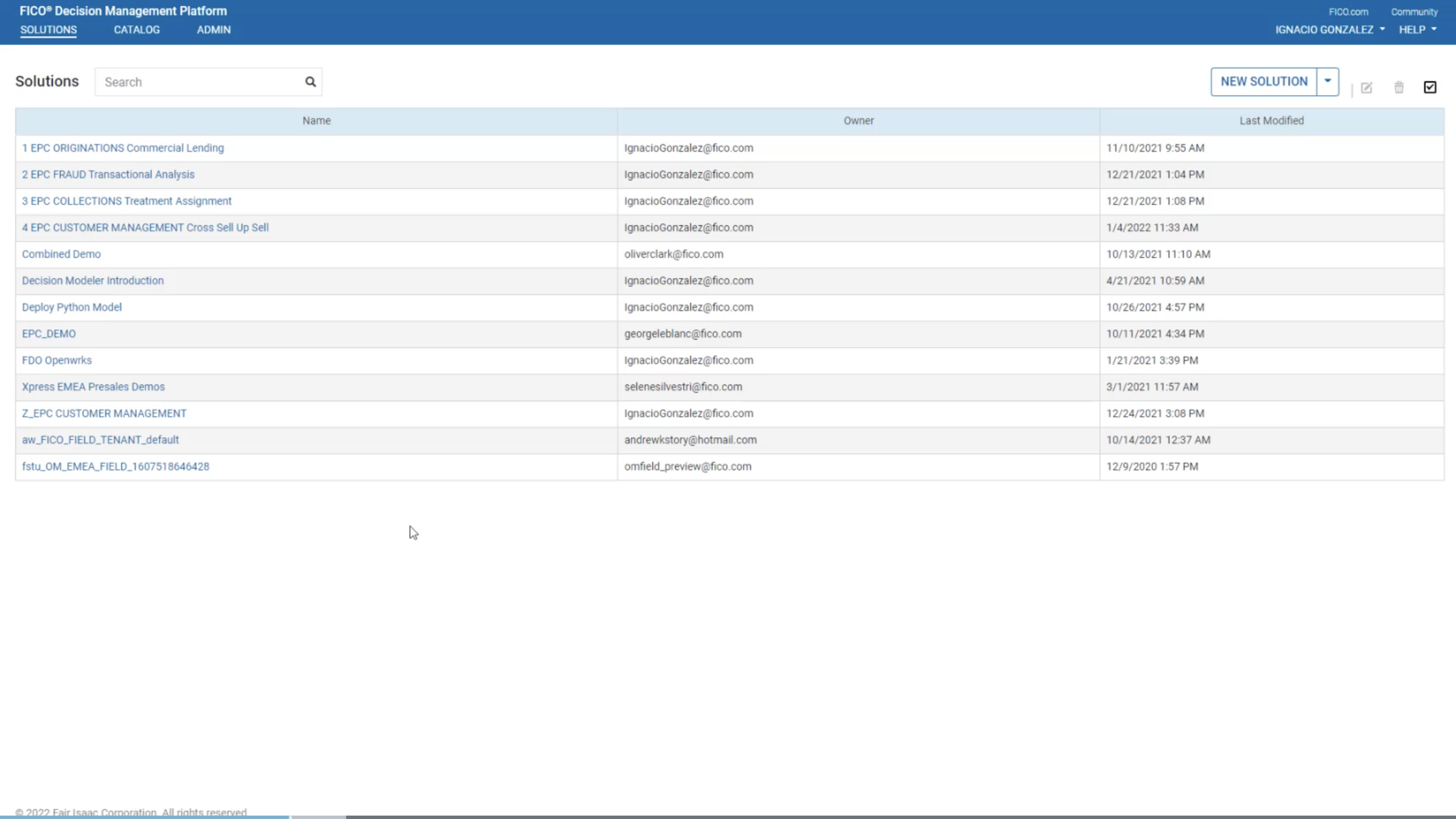
FICO Platform, also known as the Decision Management Platform, is FICO's flagship B2B software — an integrated platform solution that allows users to build, deploy, execute, and scale analytic-powered applications. Trusted by over 130 Tier 1 financial institutions worldwide, the platform requires continuous updates in both code and design to meet evolving business goals and technological demands.
To keep FICO Platform up to date, efficient collaboration among stakeholders, product managers, engineers, and designers is essential. Regular meetings and the use of JIRA production system facilitate clear, cross-border communication and streamlined project management.
Over the years, my role and responsibilities evolved significantly:
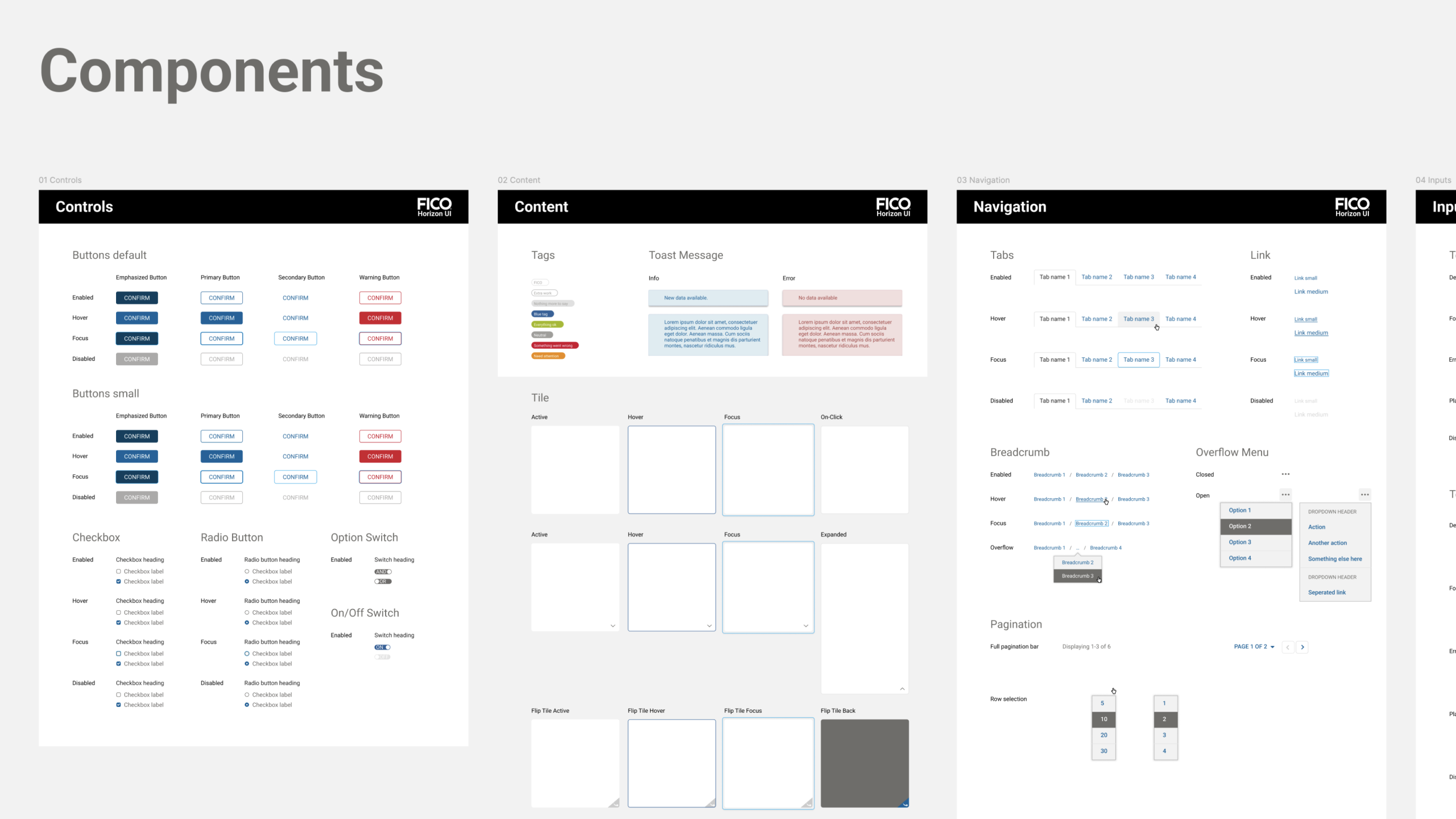
- UI Design & Execution — Started by transforming wireframes into polished user interfaces aligned with the Horizon style guide.
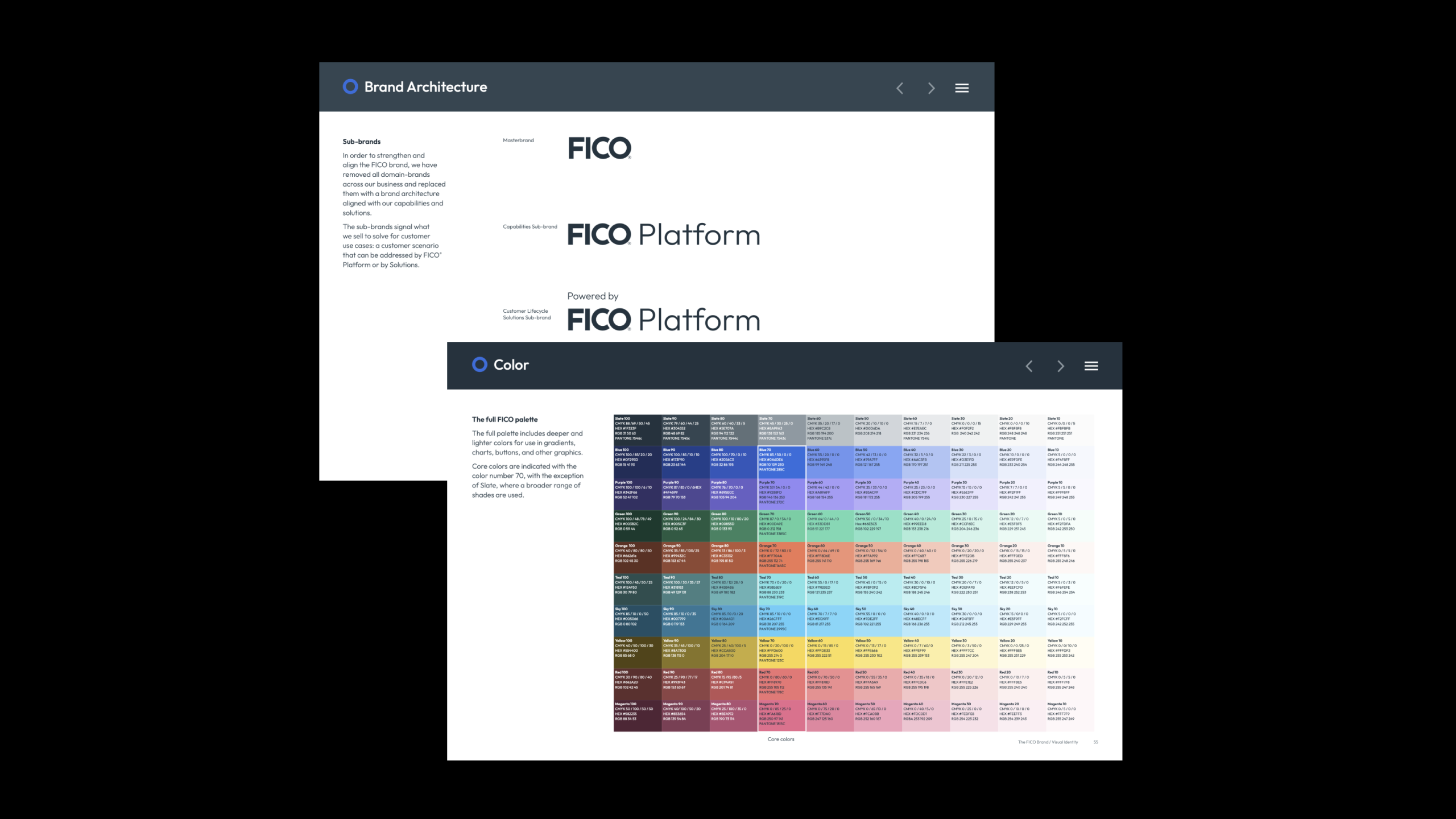
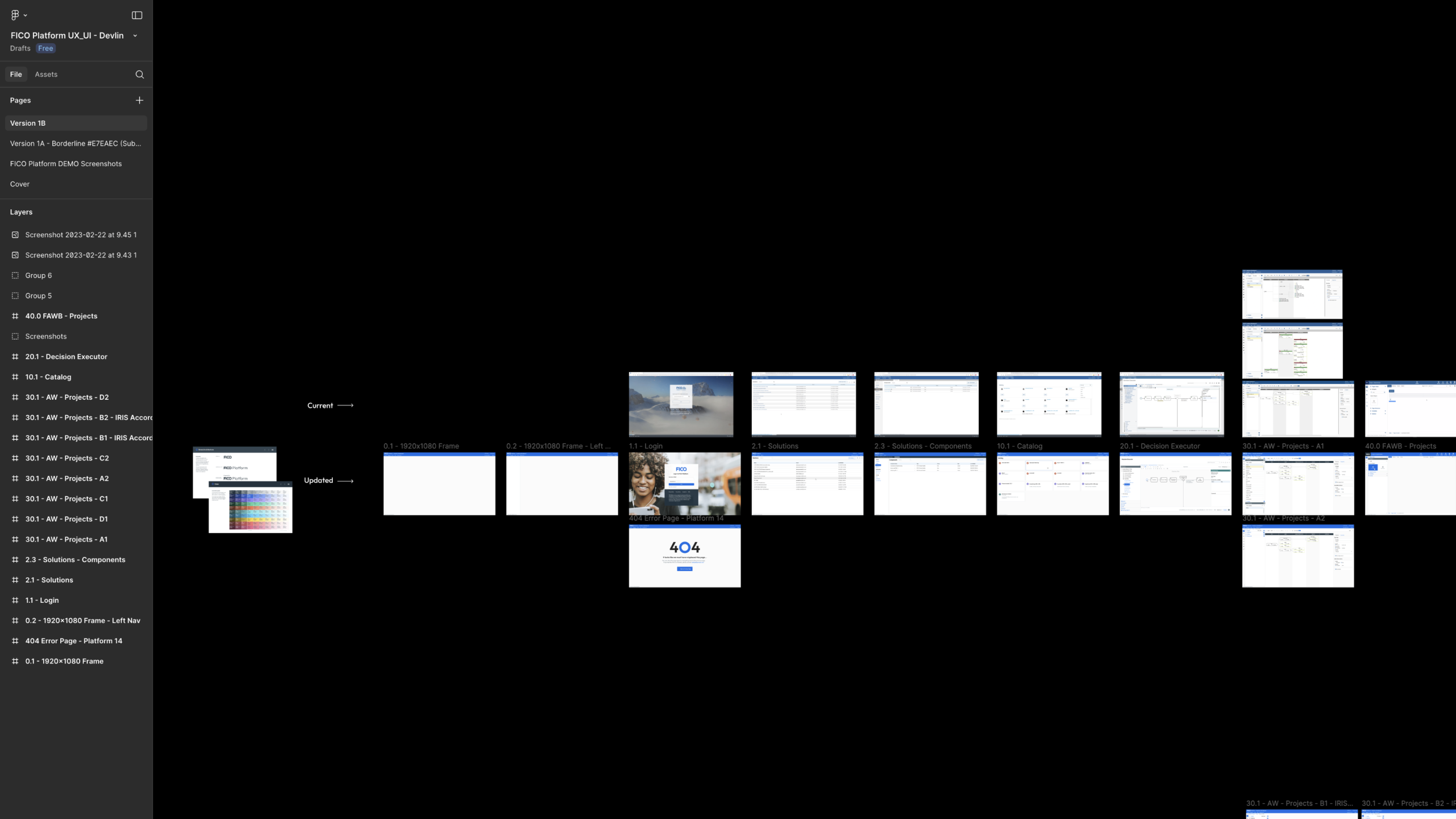
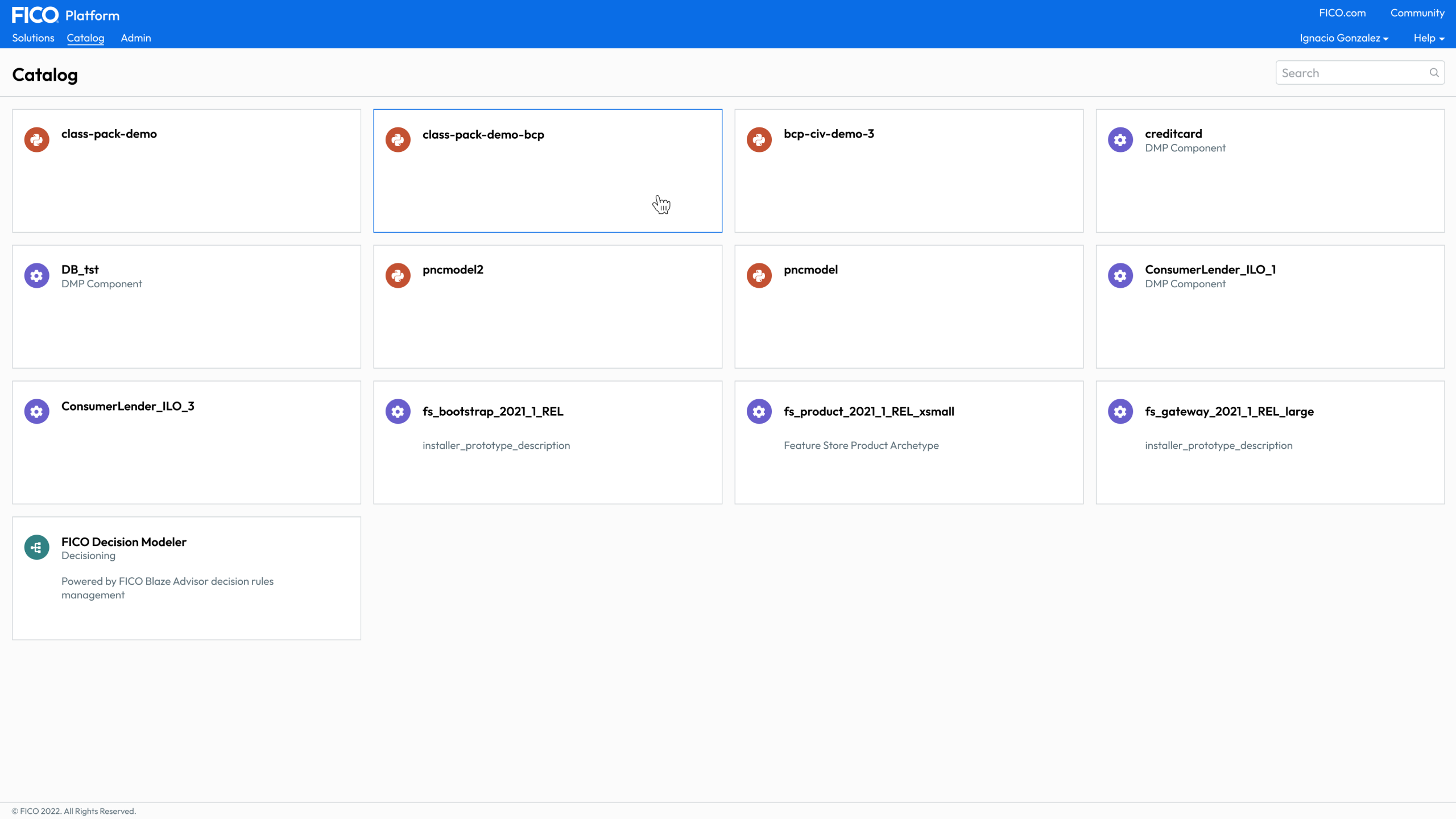
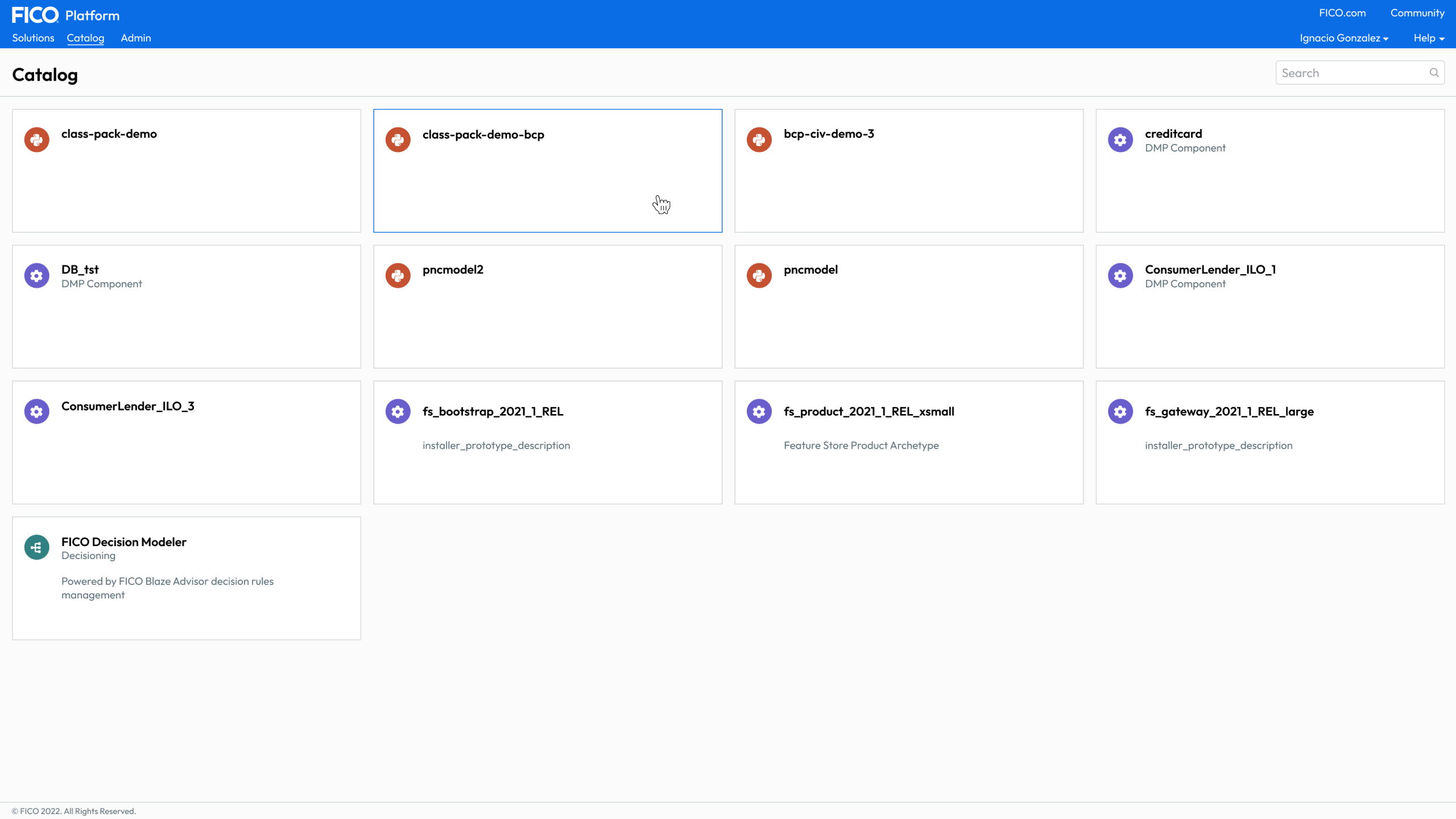
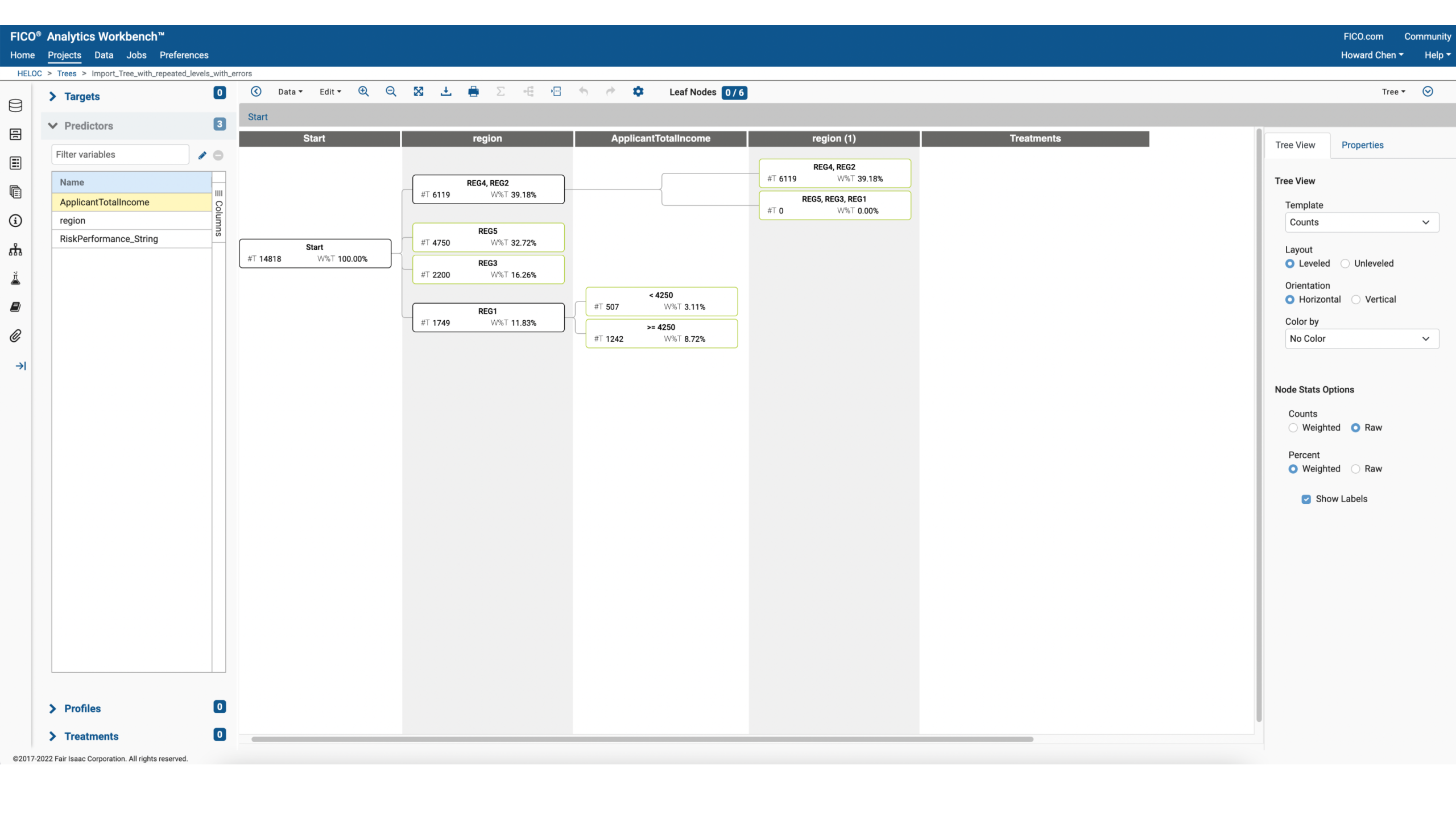
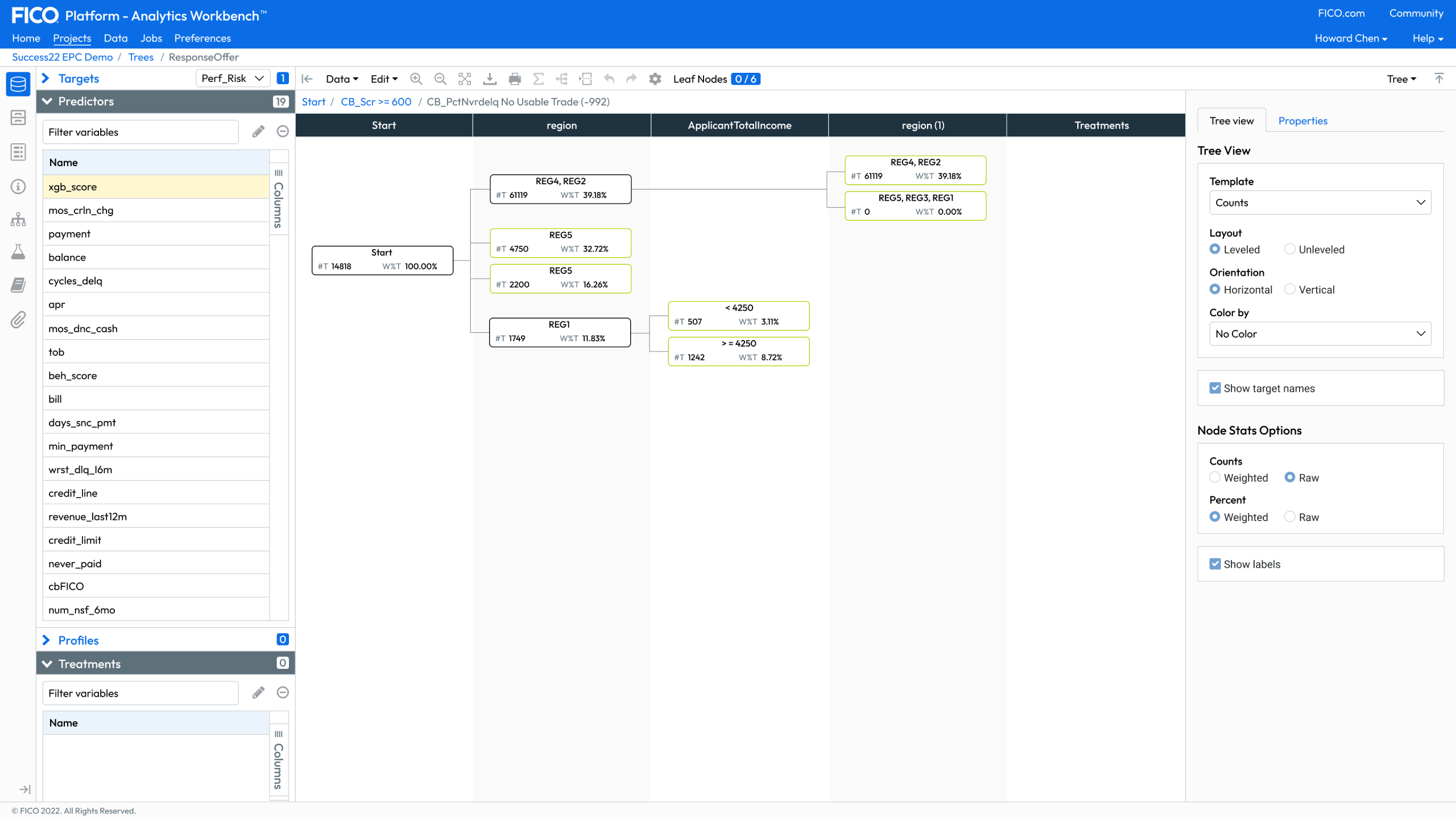
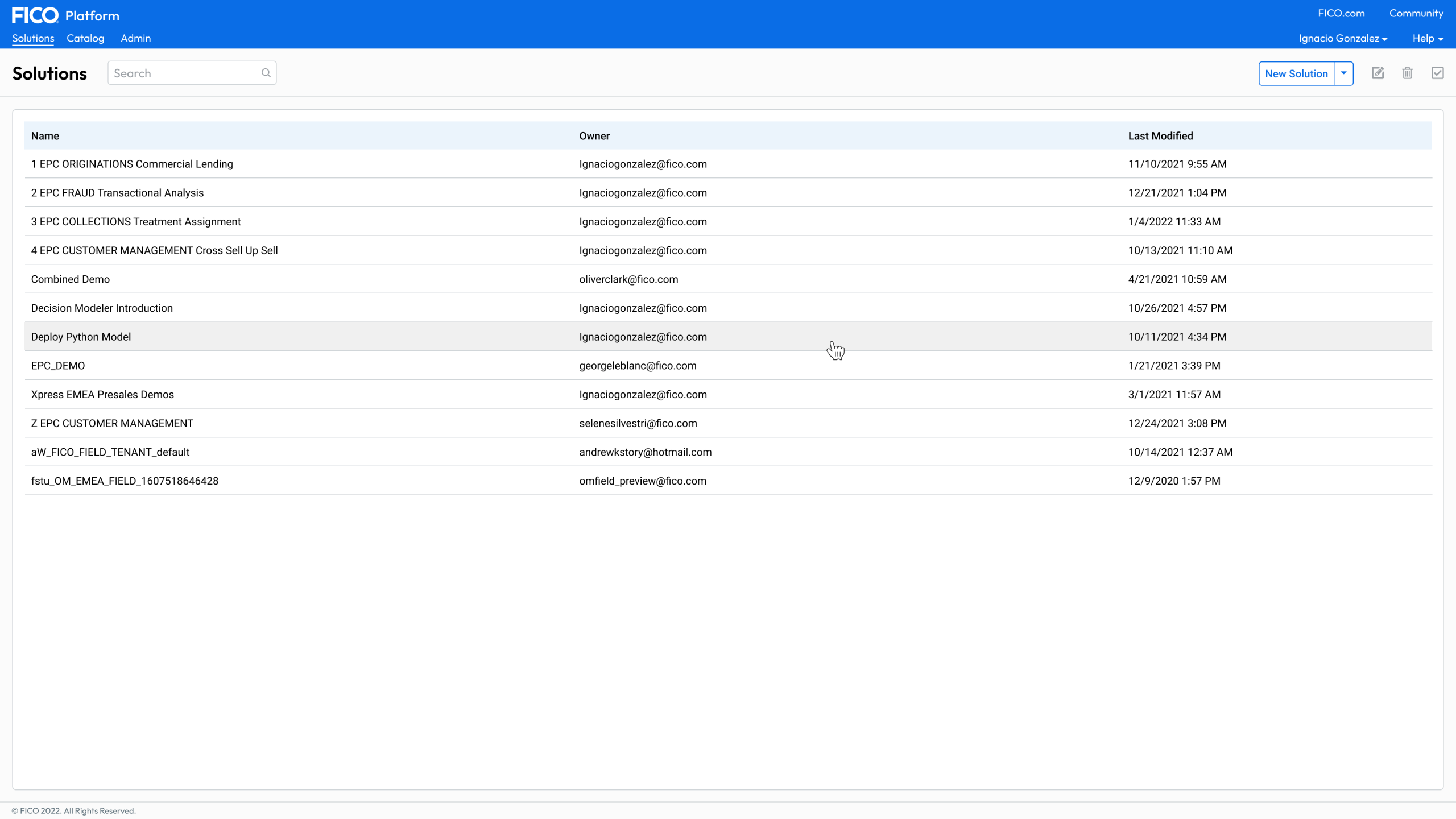
- Design System Evolution — Transitioned to reimagining and modernizing the product experience using the IRIS Design System.
- Product Collaboration — Partnered closely with Product Managers to design features for upcoming releases, while also reviewing and providing feedback on in-progress builds.
- Team Leadership & Mentorship — Led a team of designers, facilitating weekly team meetings and conducting one-on-one sessions to review sprint work and provide actionable feedback.
- Agile Workflow Management — Oversaw design contributions within Agile sprints, managing stories and progress through JIRA.
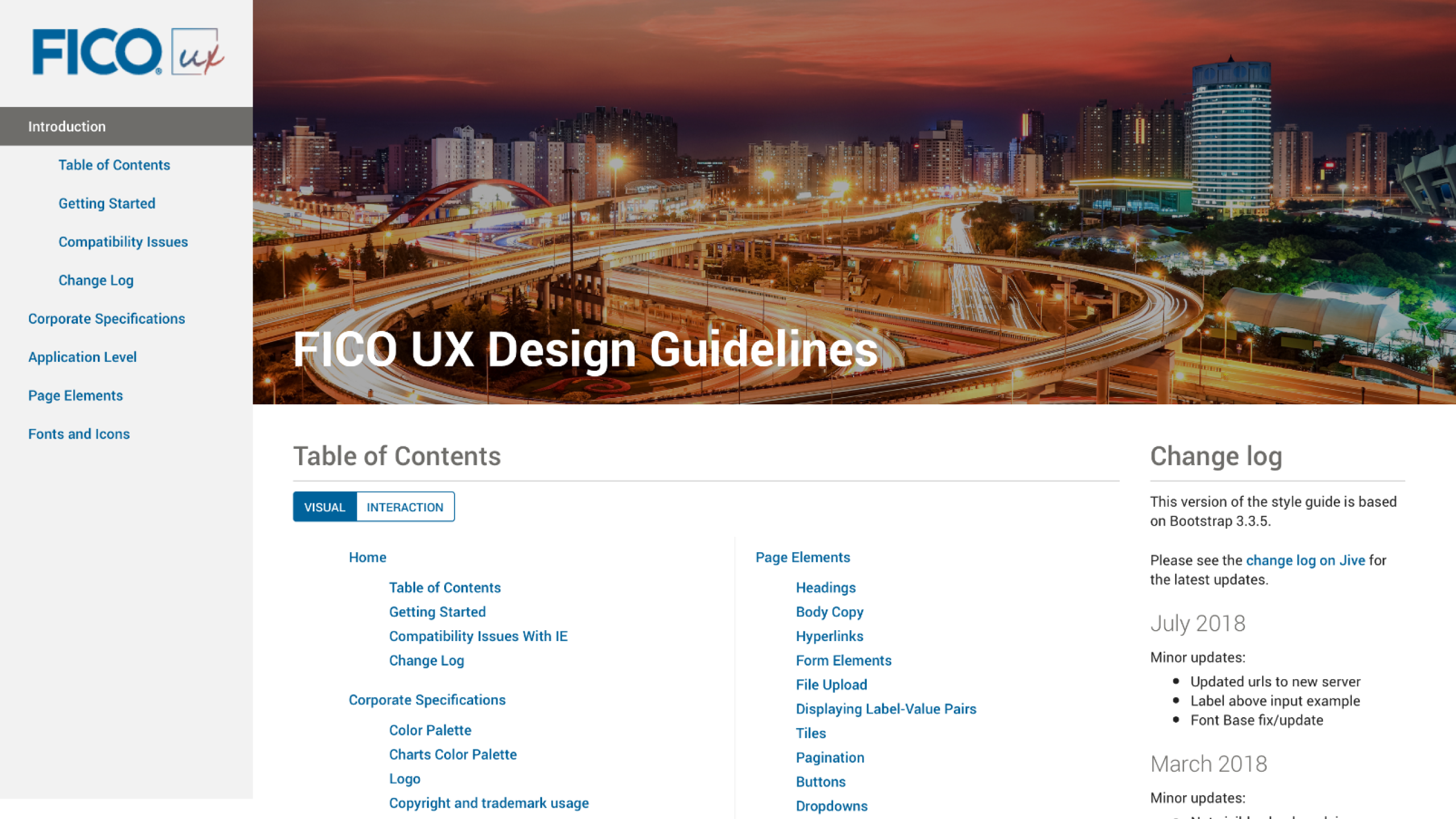
“Prior to 2020, FICO's software portfolio relied on UX design guidelines that were efficient but not scalable.”
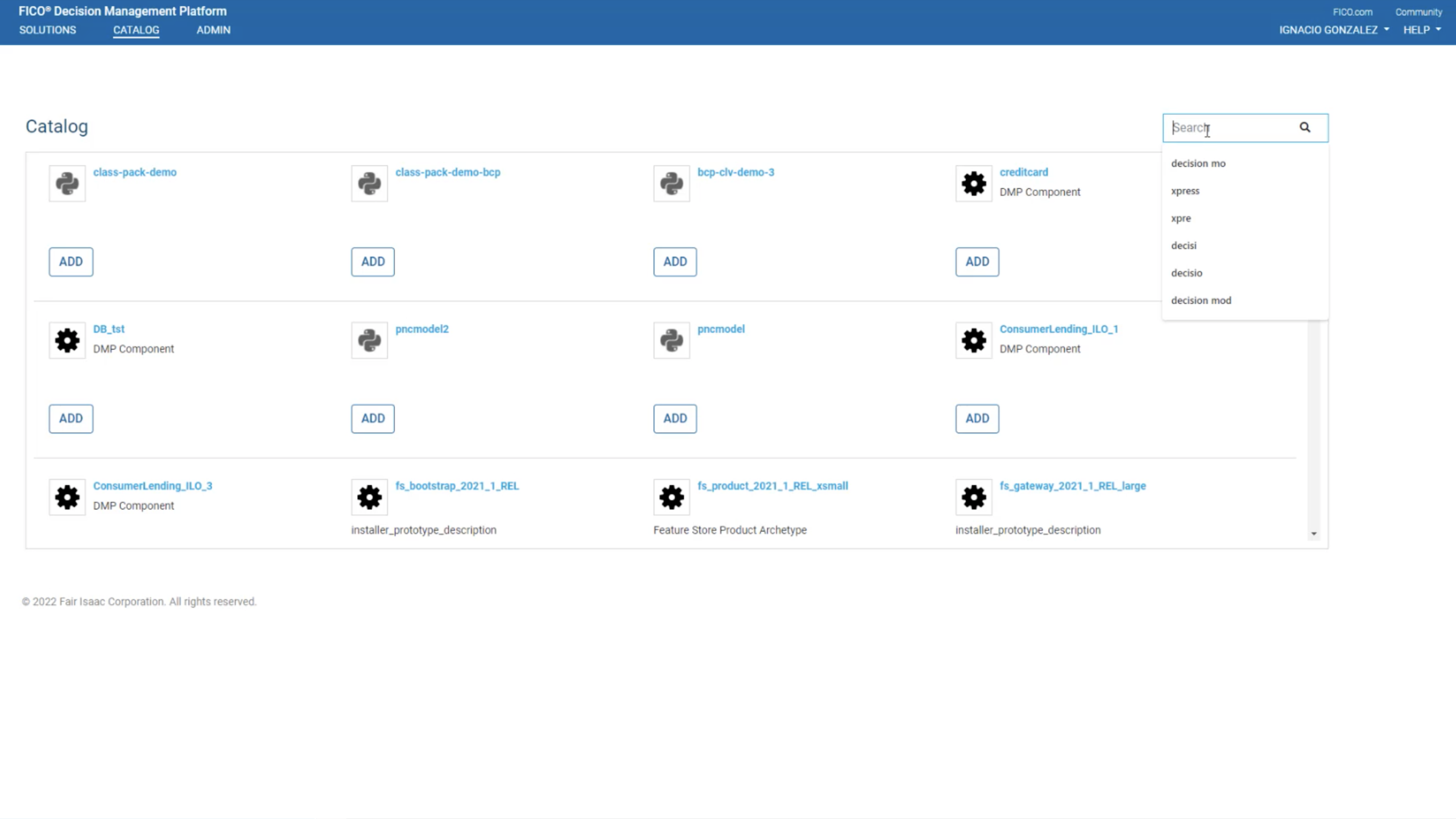
The pre-2020 design landscape exposed clear structural problems that needed to be solved:
- Fragmented Design Approach — The system lacked reusable components, leading to inconsistencies across products.
- Tooling Limitations — Designers primarily used Axure, which did not support component libraries or scalable design workflows.
- Engineering Handoff Challenges — Engineers built interfaces directly from wireframes, requiring extensive annotations and increasing the risk of misalignment.
- Role Focus (Pre-2020) — Translated wireframes into high-fidelity UI and produced detailed specifications to support engineering implementation.
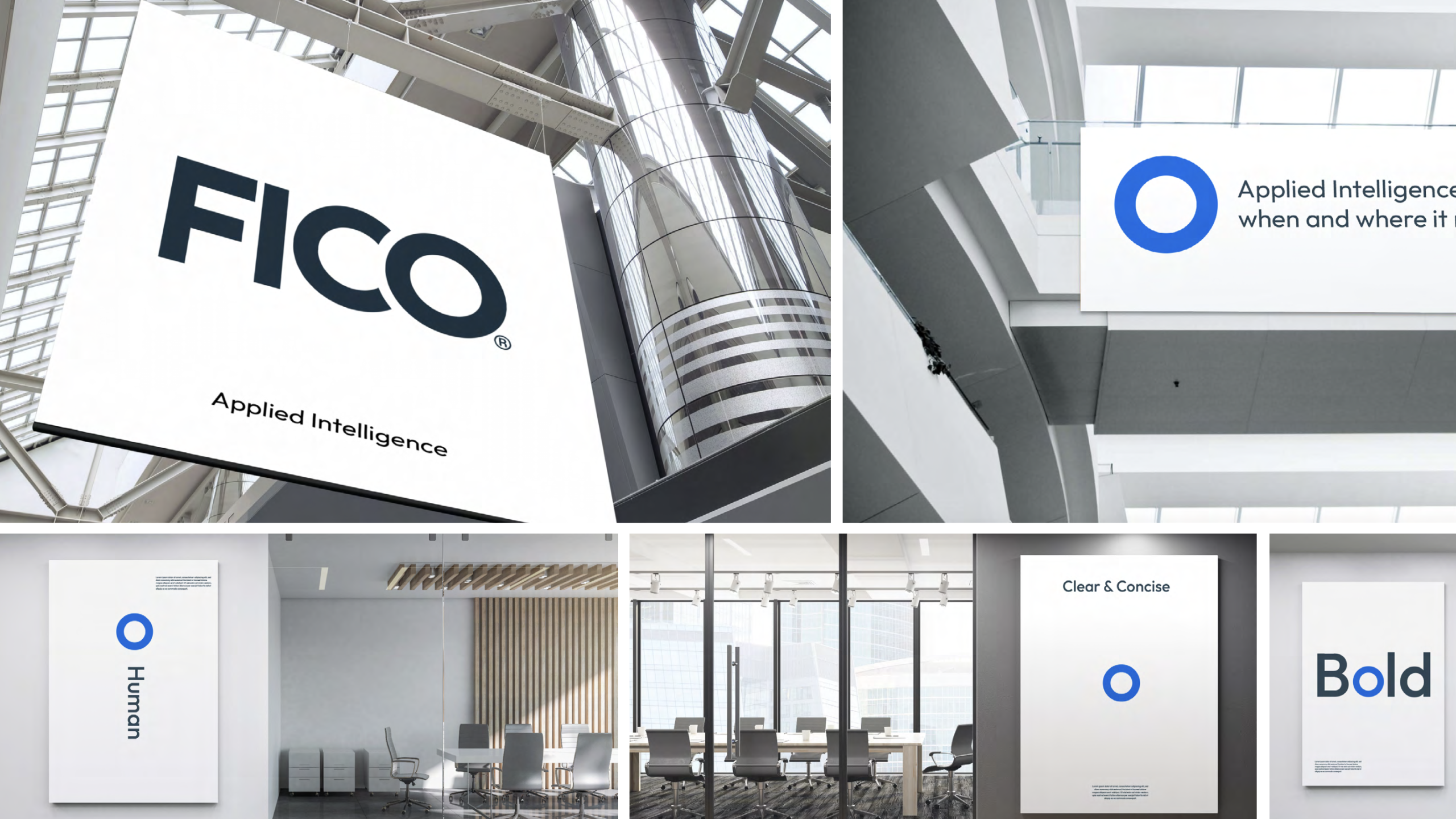
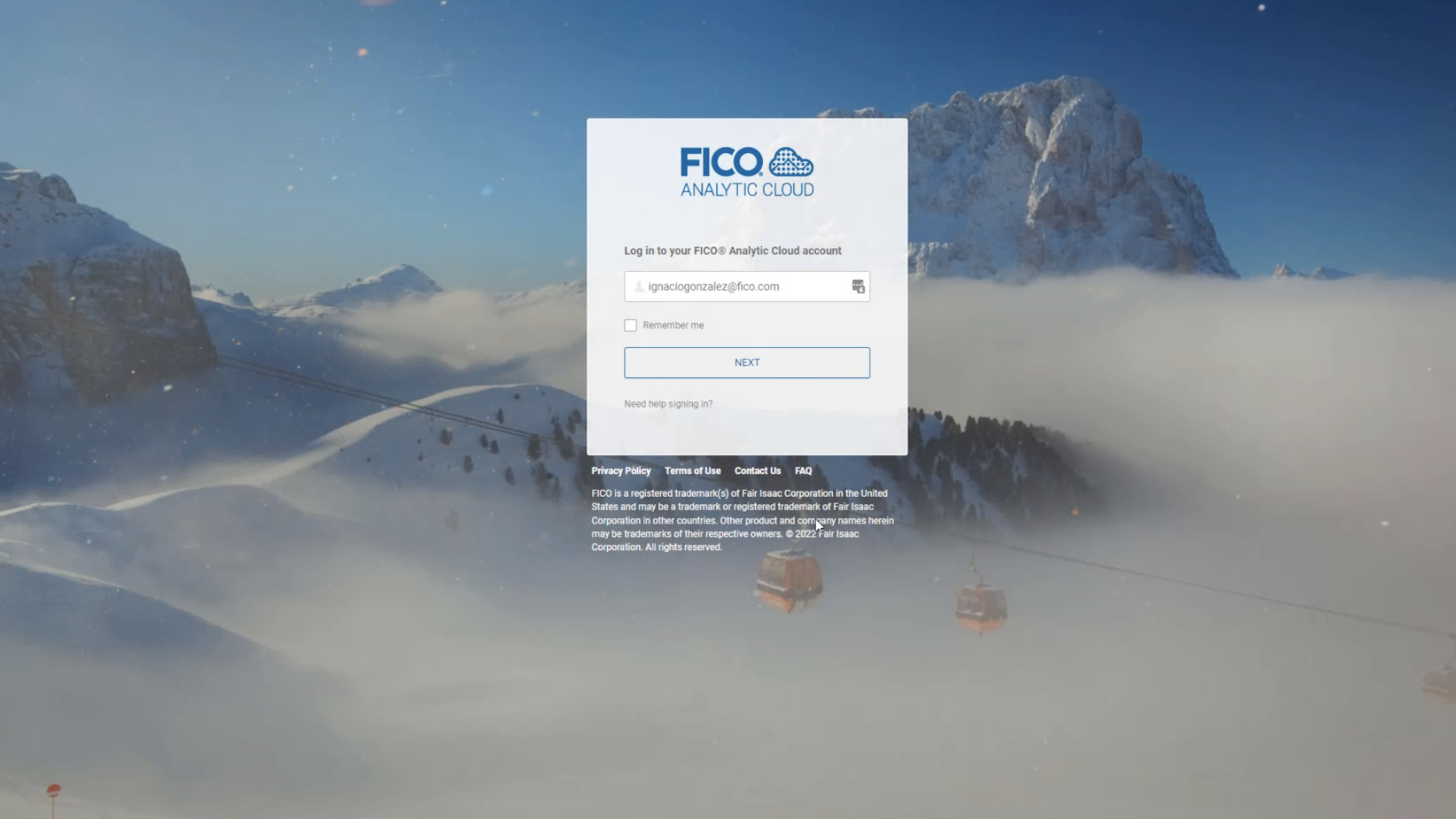
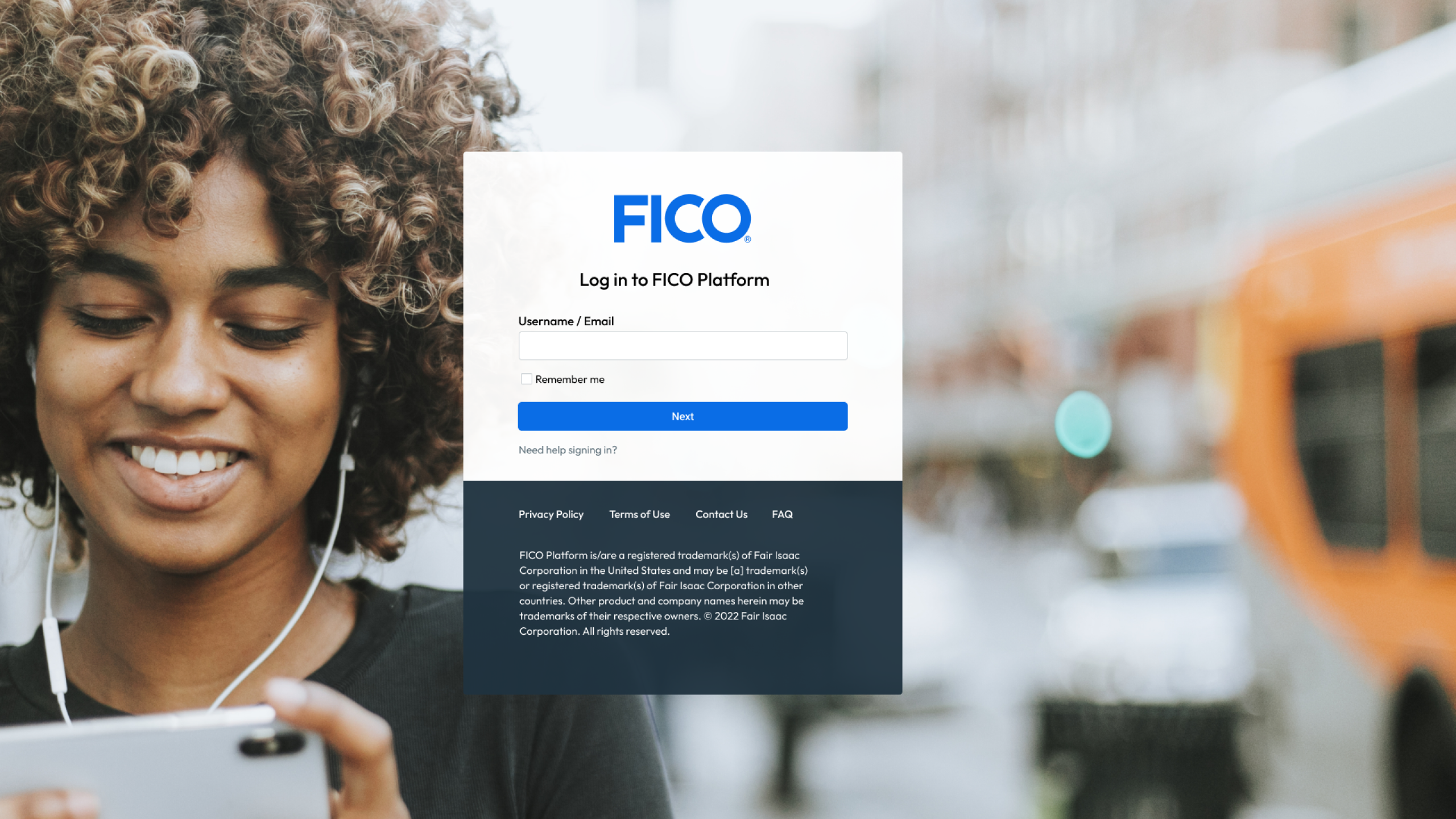
Each phase of the platform's evolution responded to a real problem — fragmented tooling, inconsistent patterns, a rebrand that touched every product. The work was never theoretical.
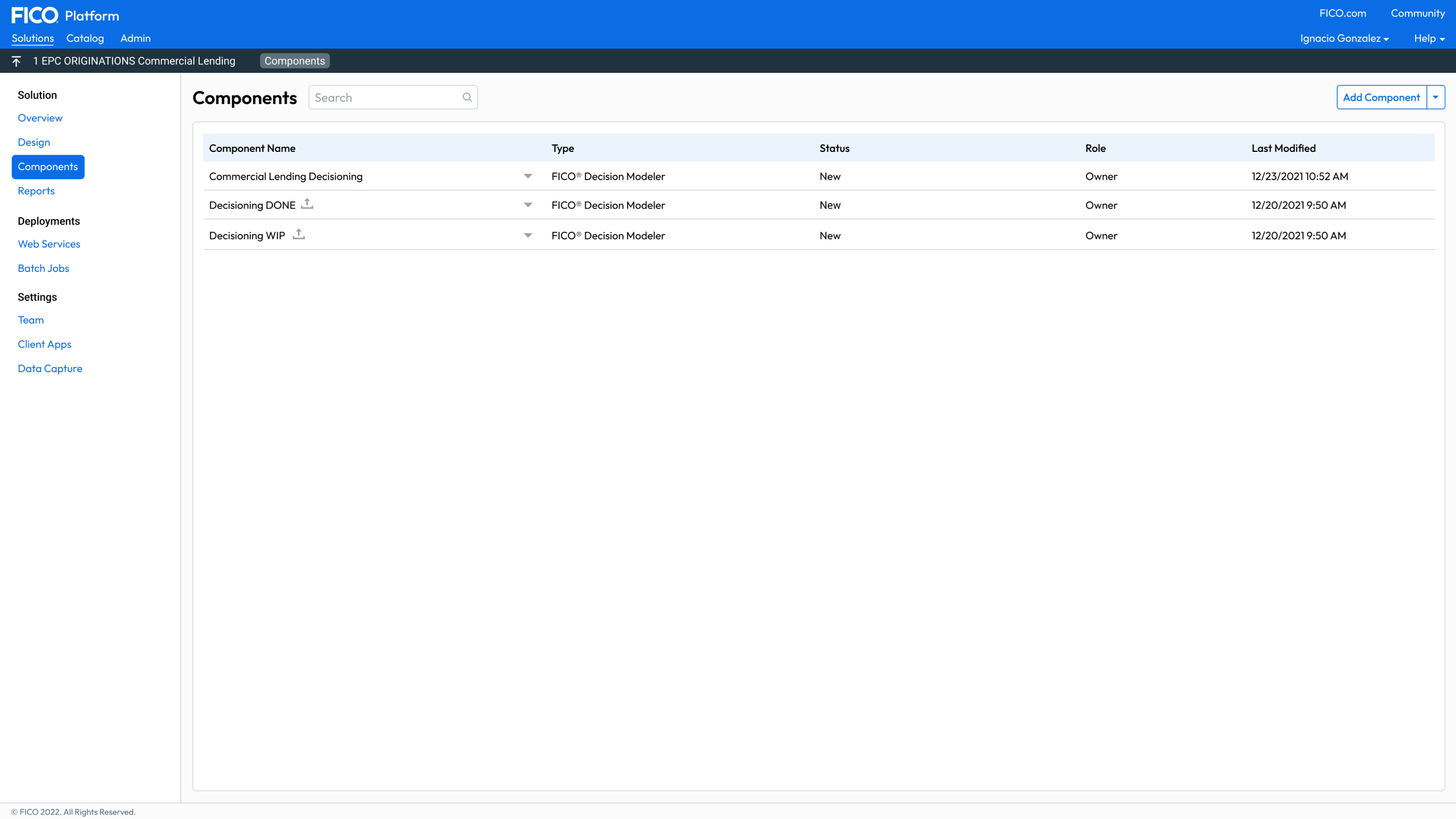
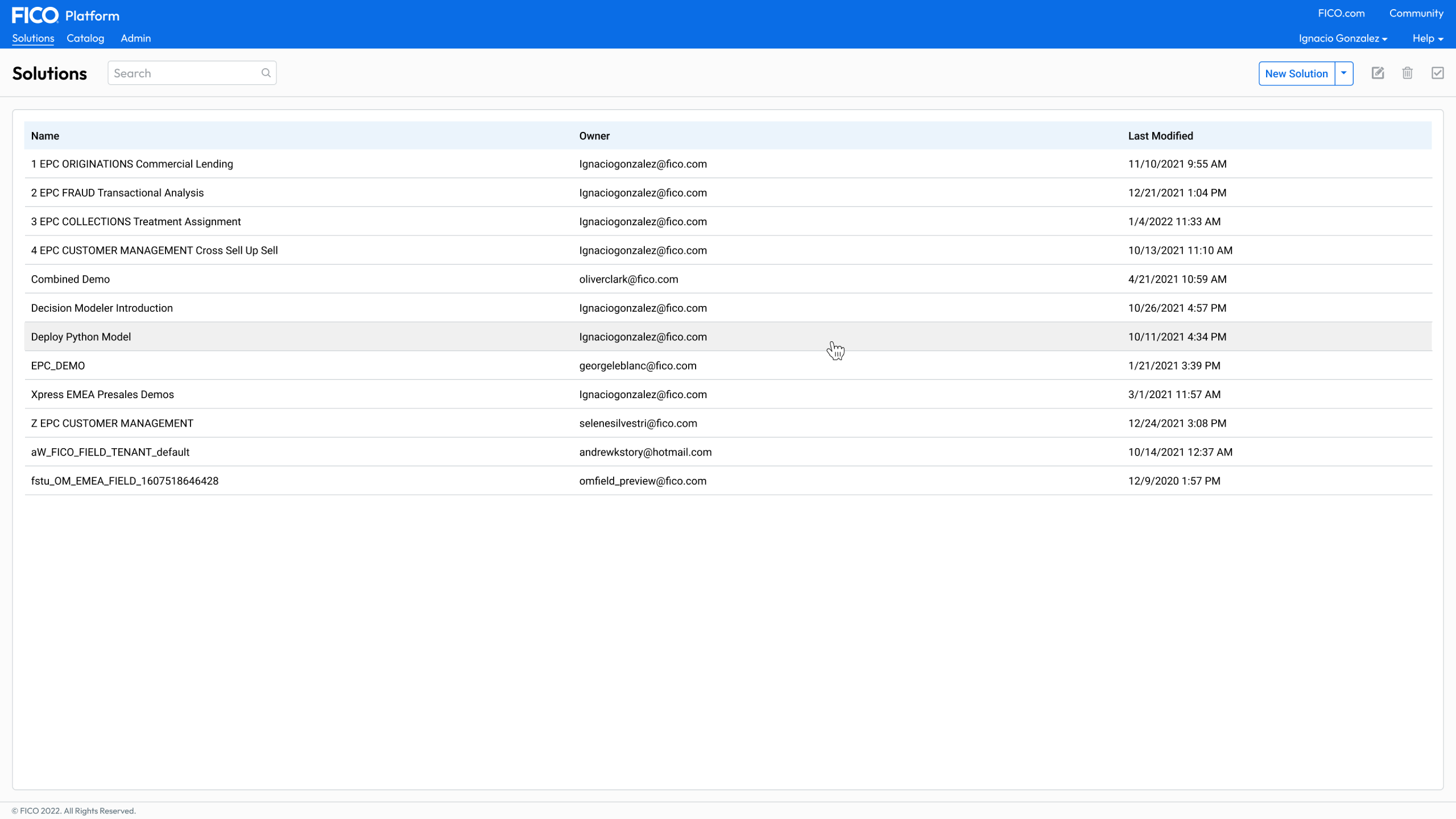
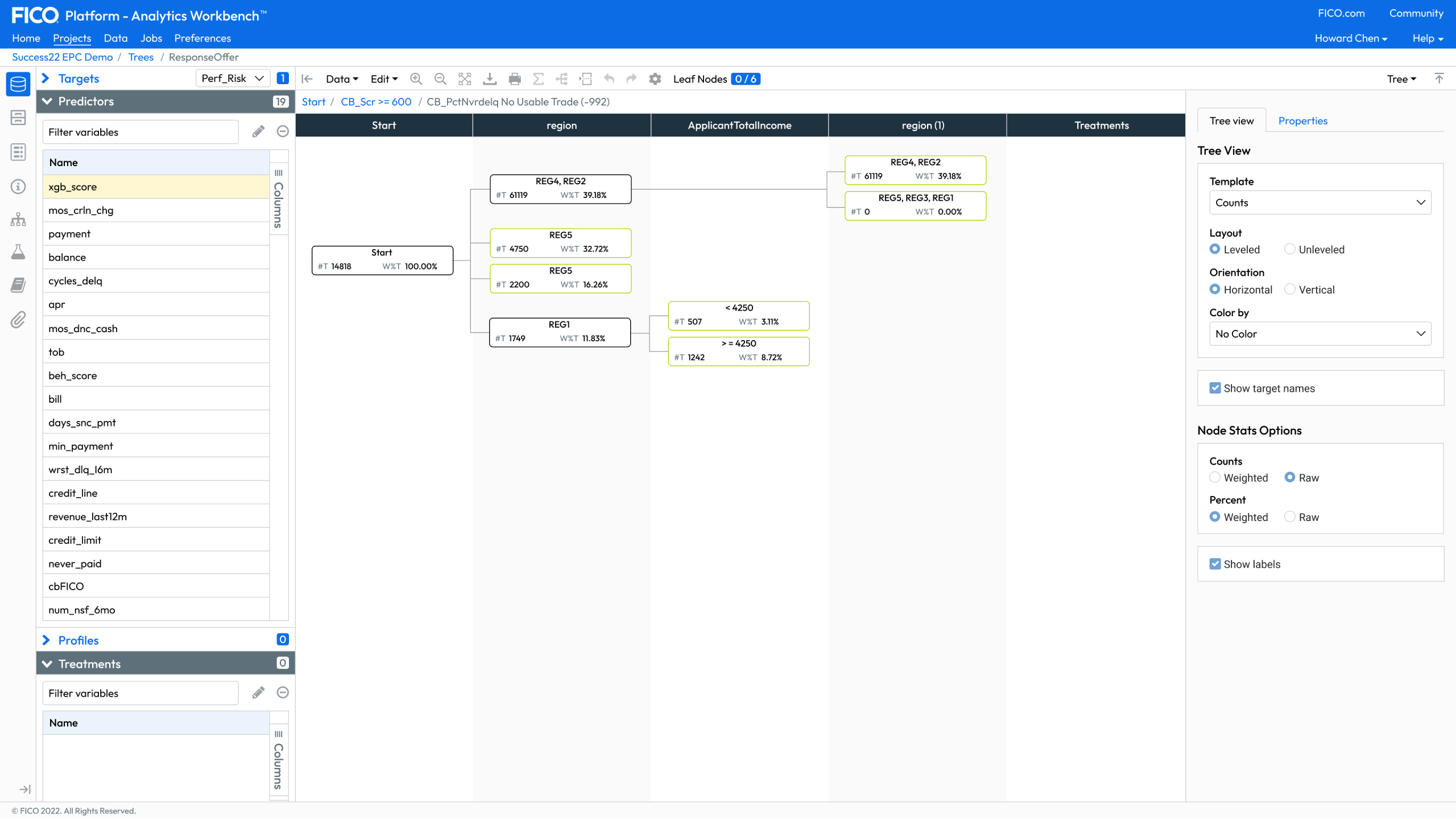
FY 2025 — Next-Generation Information Architecture
As the platform evolved and my role shifted toward team leadership, I helped envision the platform's next-generation design system and strategic direction. The product design team's goal was to build upon the existing foundation and create an all-in-one capabilities platform.
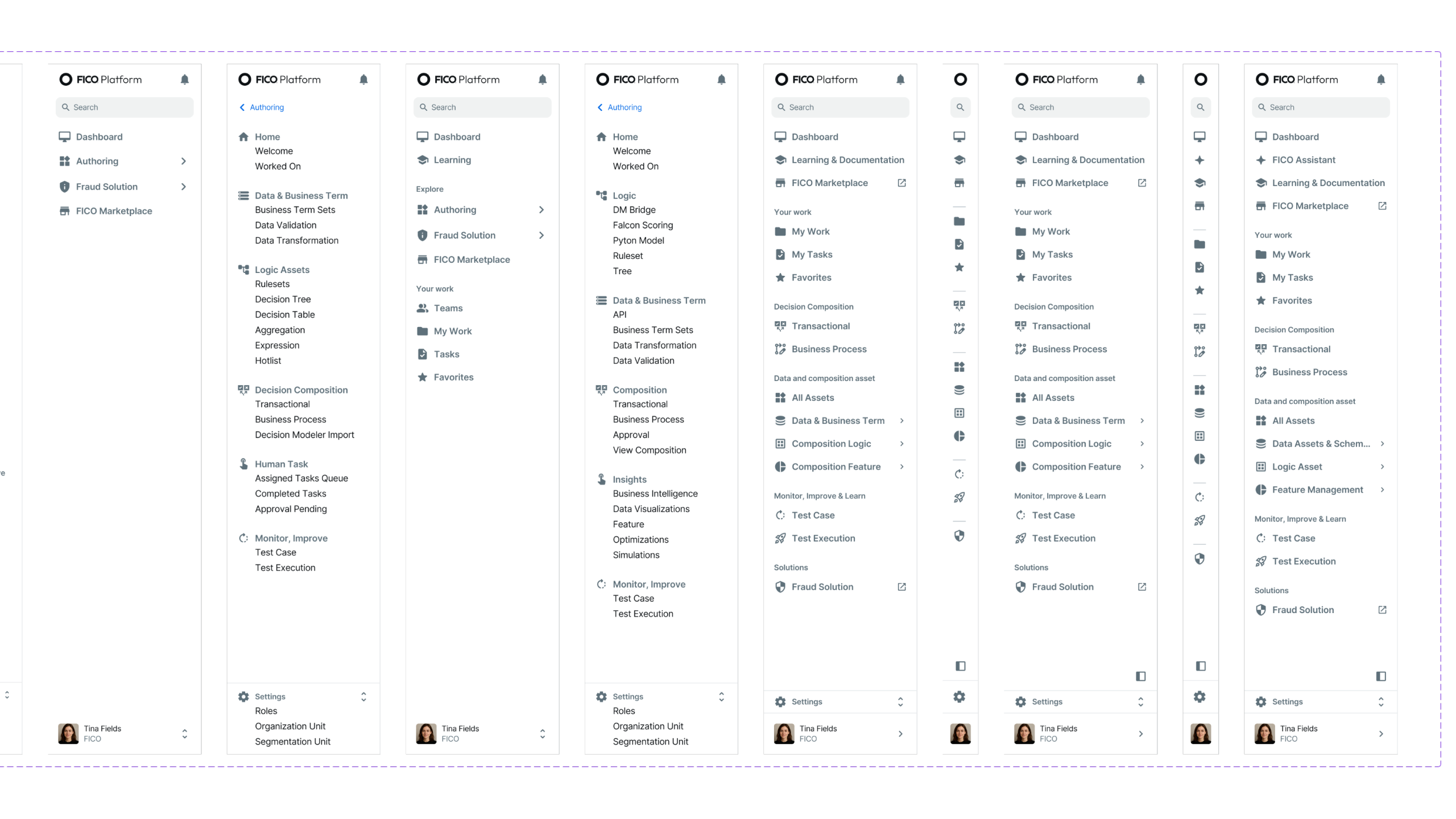
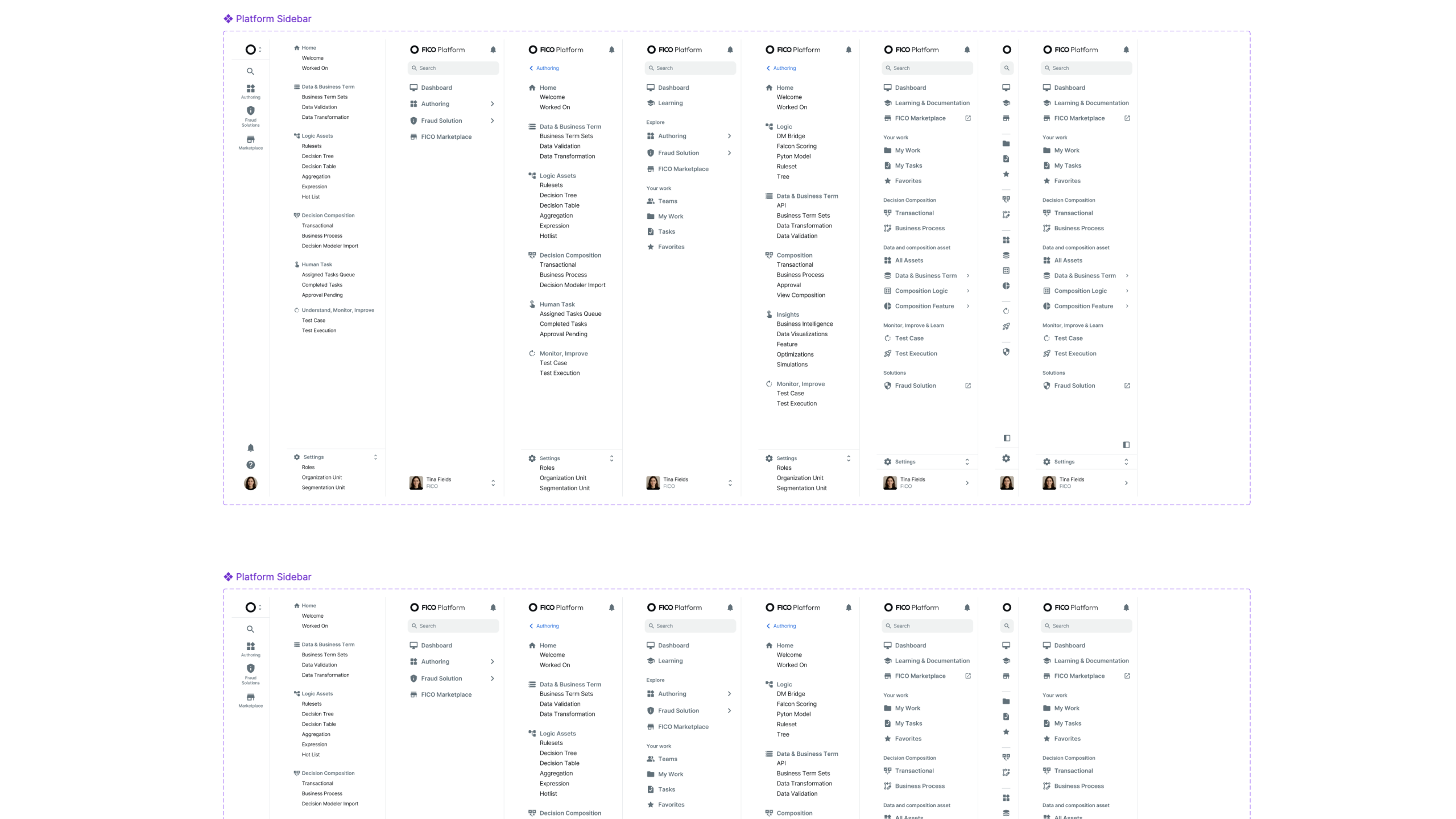
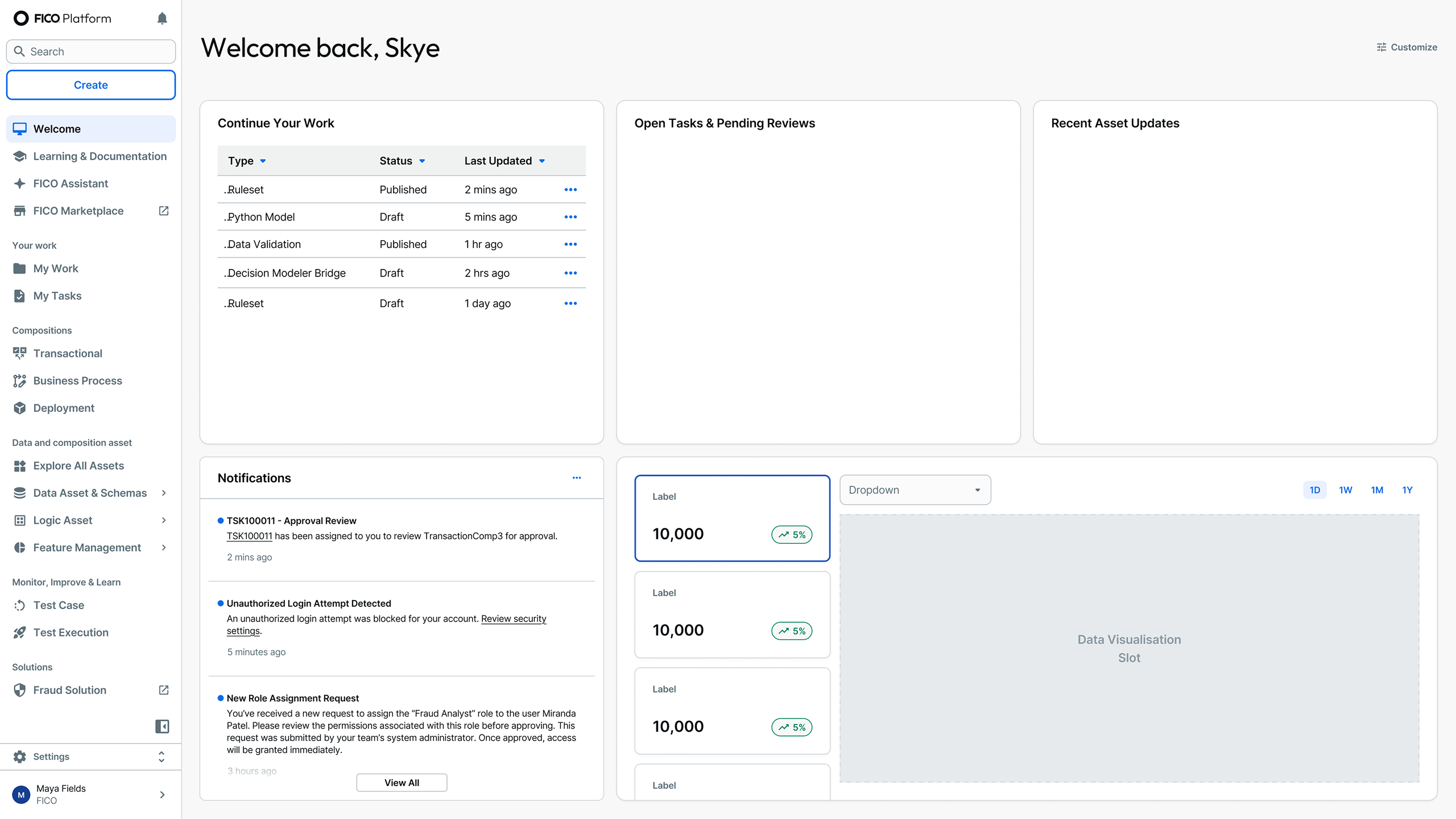
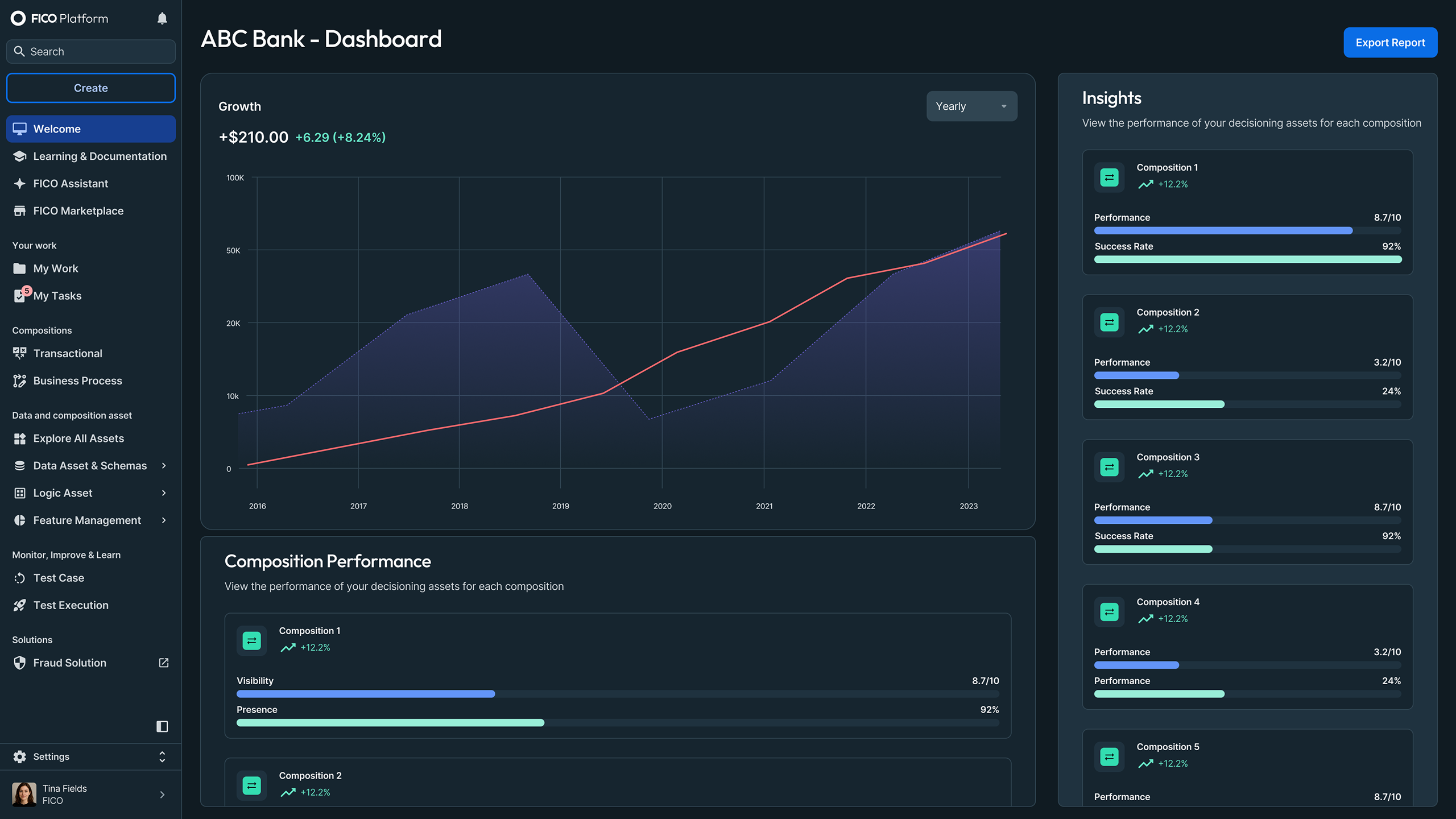
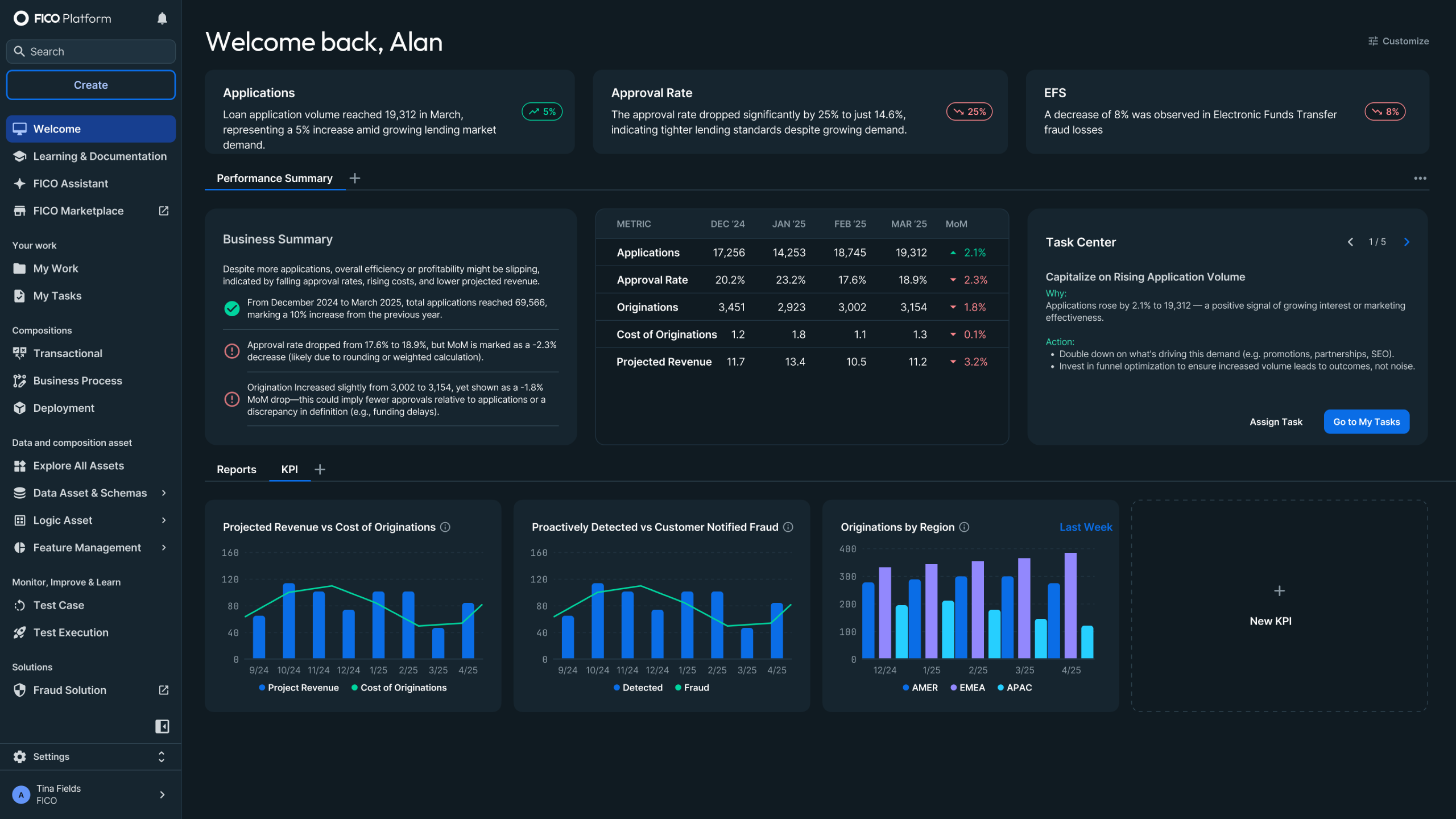
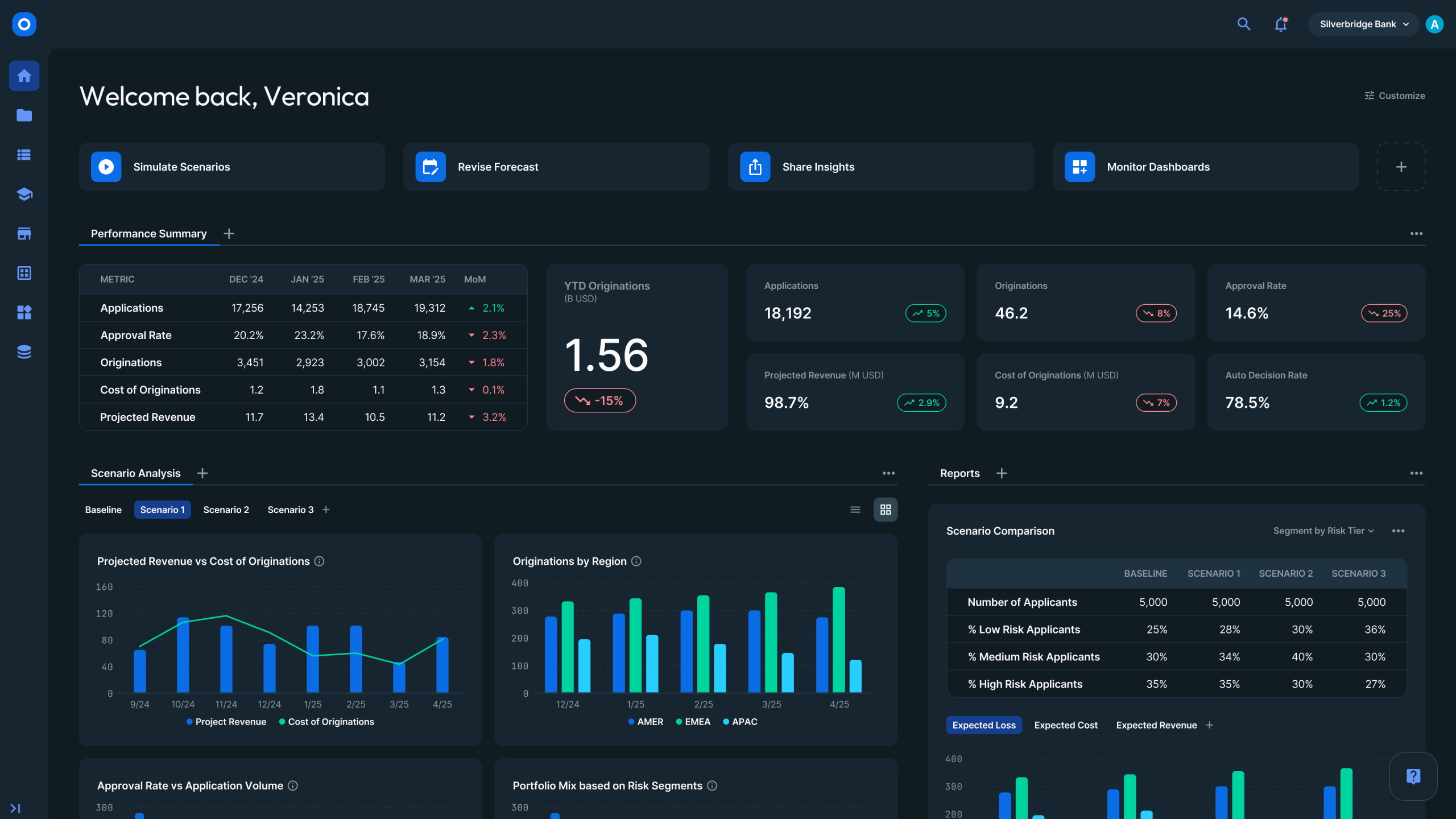
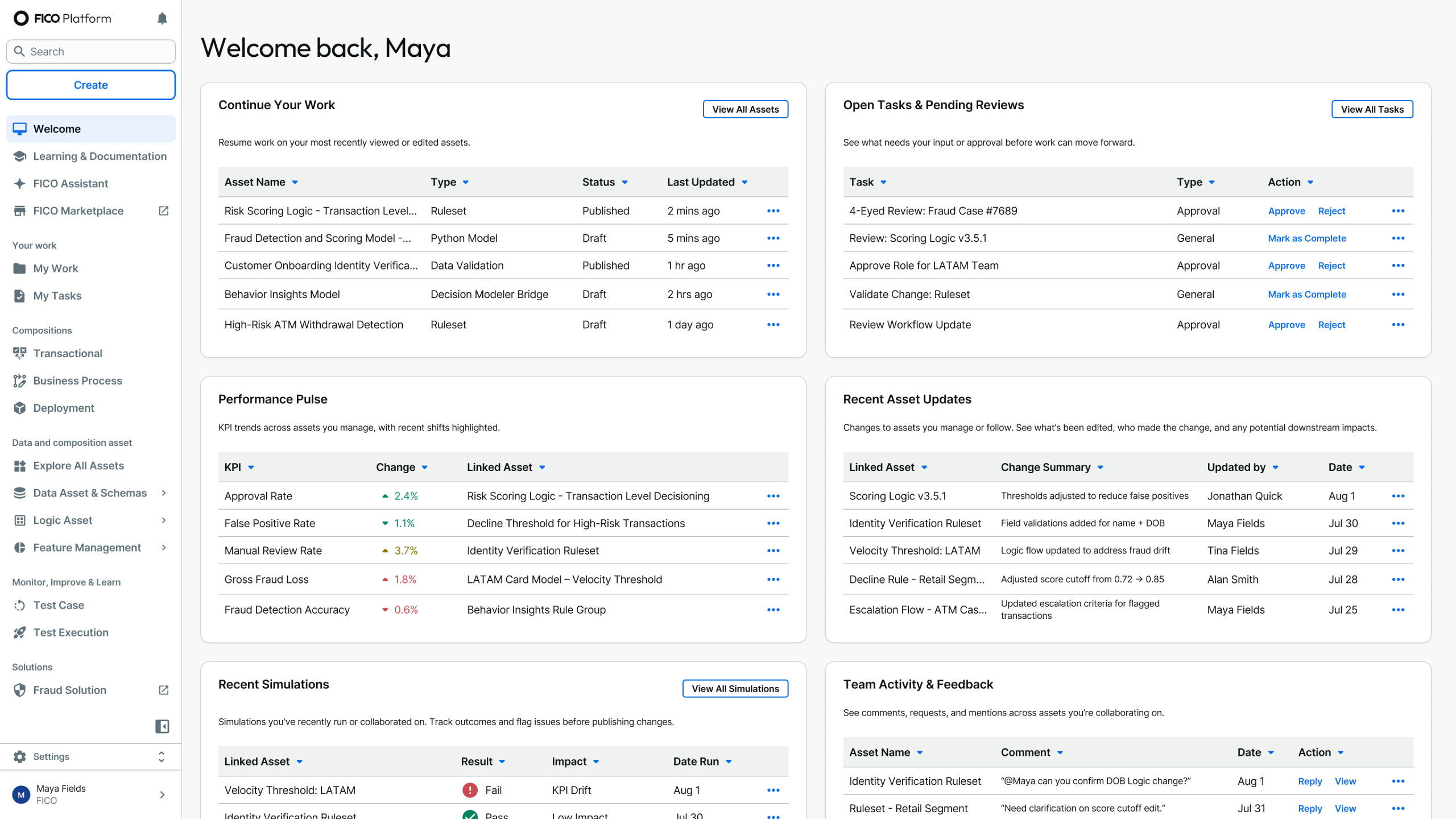
FICO Platform represents seven years of continuous design investment — from wireframe handoffs to a fully component-driven, brand-aligned product suite trusted by Tier 1 financial institutions worldwide. Every iteration was grounded in real team needs, real engineering constraints, and a commitment to long-term maintainability.
In 2025, the platform entered its next generation — built on the foundation established over the previous seven years.