Case #IRIS-2018 · Enterprise Platform Design · FICO
IRIS Design System
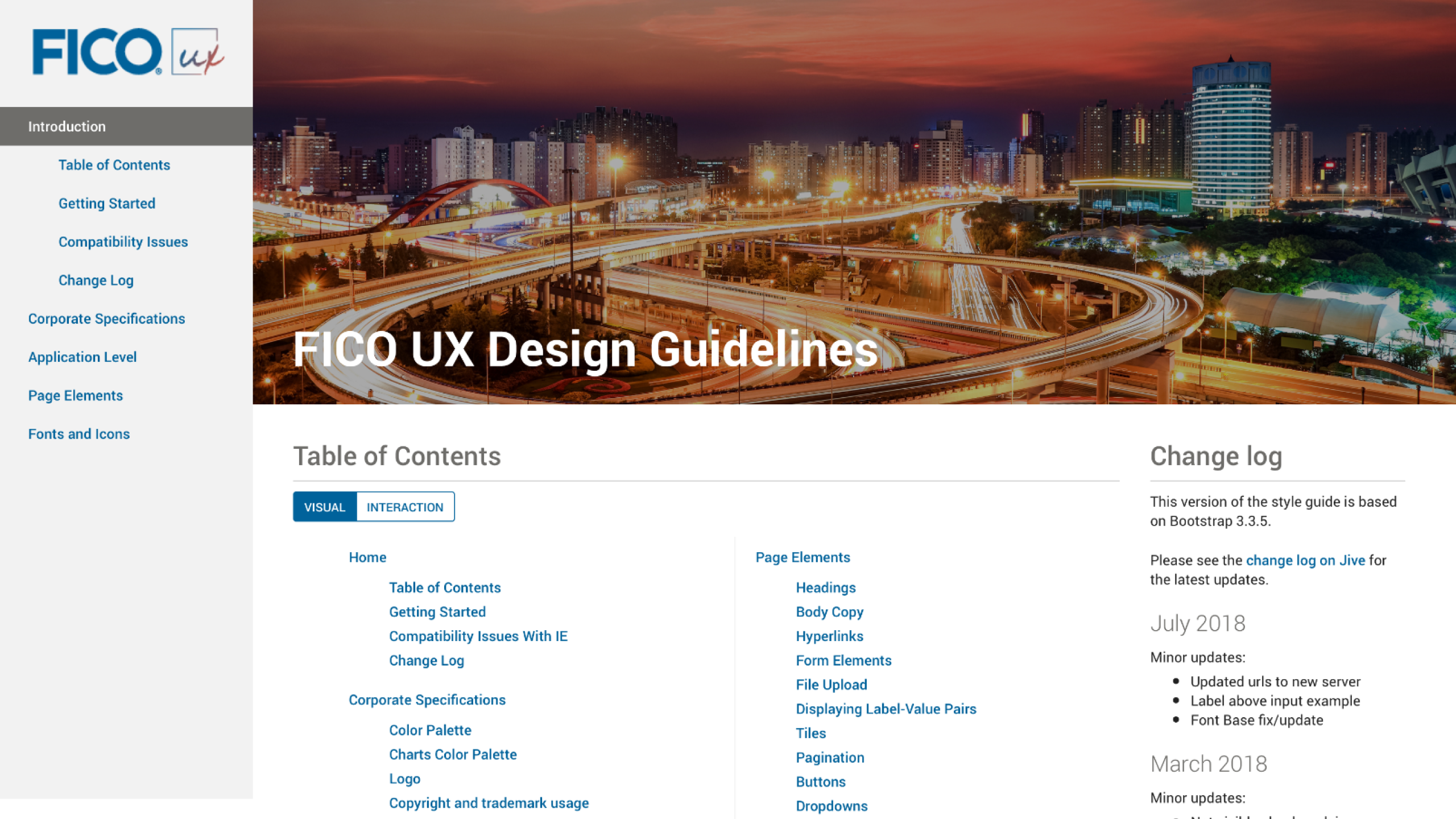
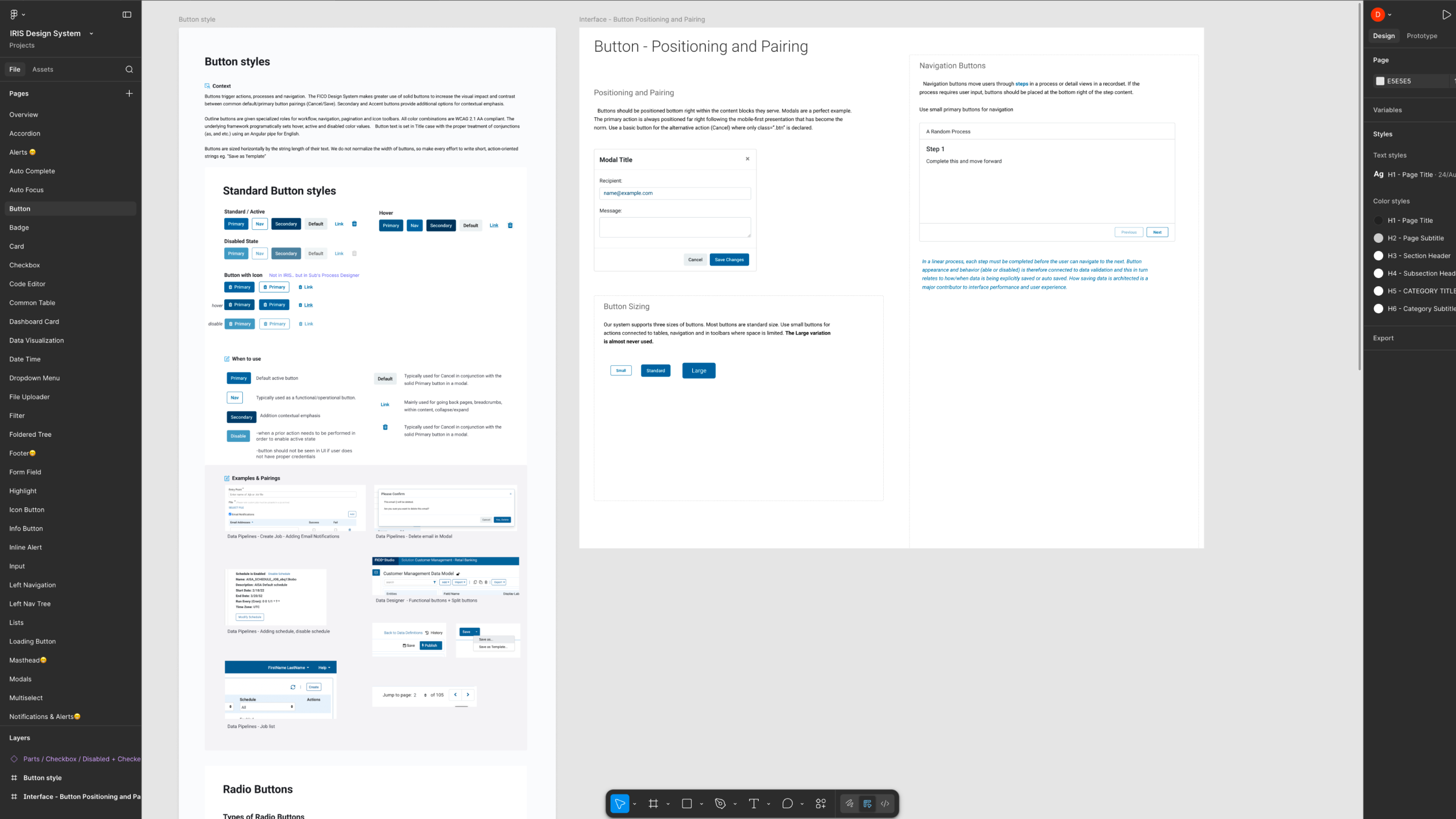
The goal: build a complete set of components covering every pattern in the existing style guide.
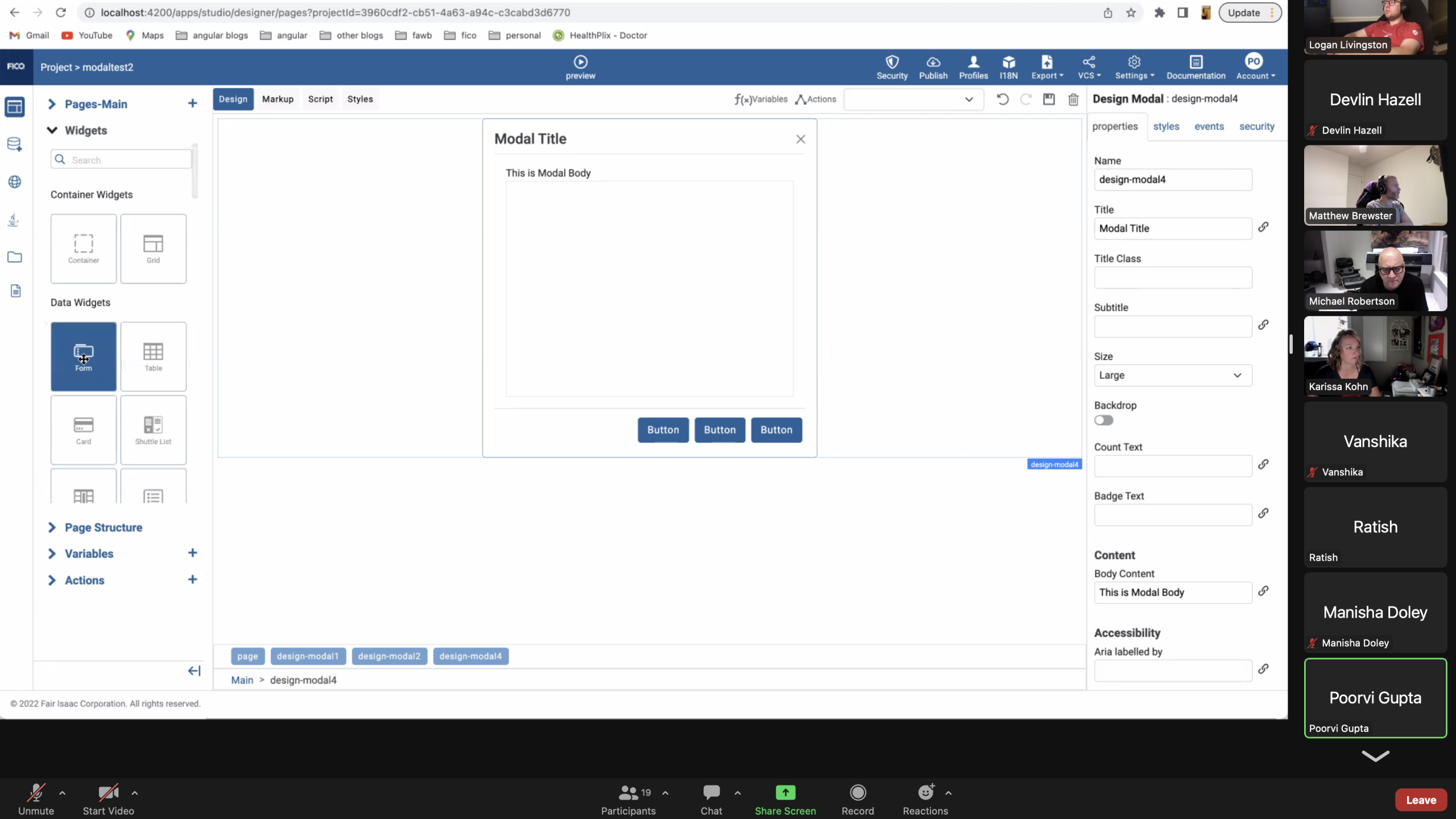
Using Bootstrap as the styling foundation, the goal wasn't to reinvent the wheel — it was to unify the wheels that already existed. ng-bootstrap, Hummingbird, and other component sources were married with the Angular CDK to establish consistent, reliable behaviors and interaction patterns across the platform.
Adoption required more than a library. The components needed a home — an Angular application built around engineer needs: comprehensive documentation, live examples running directly in StackBlitz, and a GitHub repository that allowed contributions, enhancements, and bug fixes through a curated review process. The open-source infrastructure underpinning Angular Material's documentation was an early reference point for what scale could look like.
As the product ecosystem expanded, teams increasingly worked independently when designing and building interfaces.
- Product teams relied on Axure RP to create wireframes, which were then handed off to visual designers to translate into final UI using the design system.
- Each product implemented its own UI patterns, resulting in inconsistent interactions and visual styles across the platform.
- Designers repeatedly recreated the same interface elements, while engineers implemented multiple variations of identical components.
- Without shared design foundations, engineers spent significant time designing and building components that already existed elsewhere.
- Accessibility requirements were inconsistently implemented across products, increasing compliance risk.
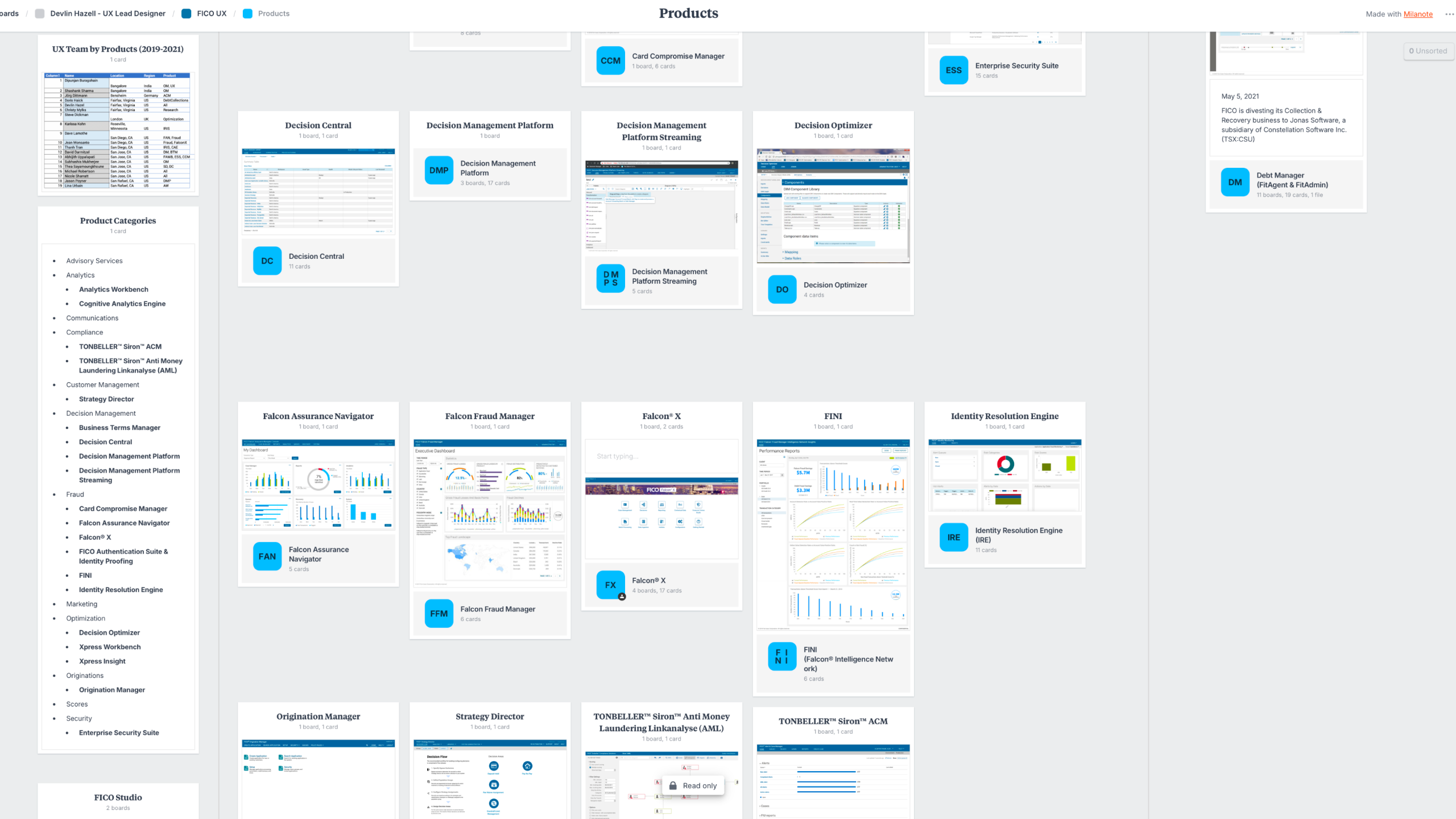
The product landscape before IRIS — inconsistent patterns, duplicated components, no shared language.
“The system doesn't replace judgment. It removes the cost of making obvious decisions over and over again.”— Design System Director, FICO
Design direction drew from systems that had already solved the readability problem at enterprise scale — Semantic-UI and Shopify's Polaris were touchstones. Component behavior and feature options would be controlled by parameters. Styling variations — for components that needed them — would be driven by CSS classnames and CSS variables, following an approach outlined in early exploration work by the team.
Every iteration responded to something real — a team struggling to adopt, an engineer recreating what already existed, a product shipping with the wrong spacing. The system evolved by listening, not by planning.
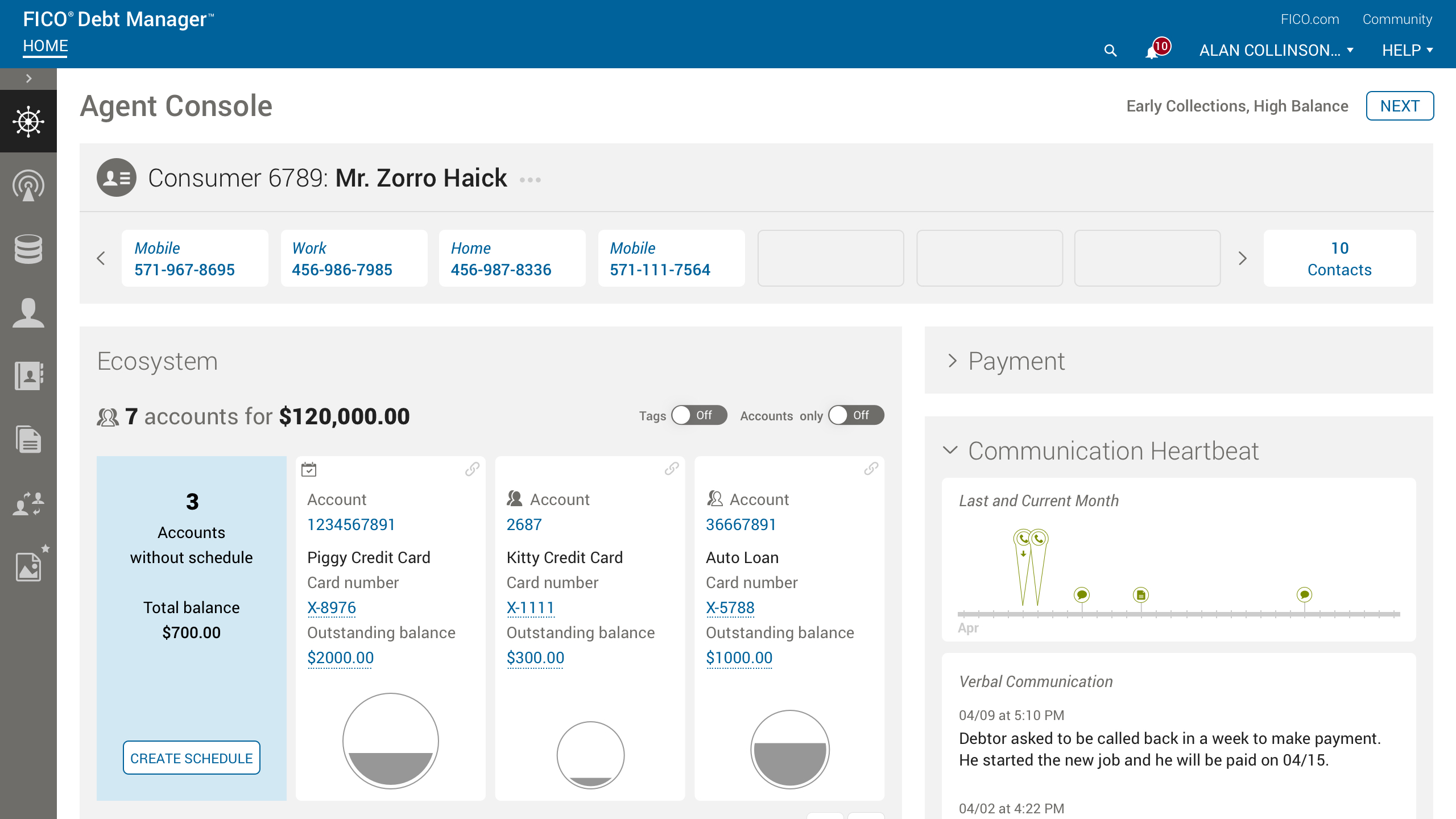
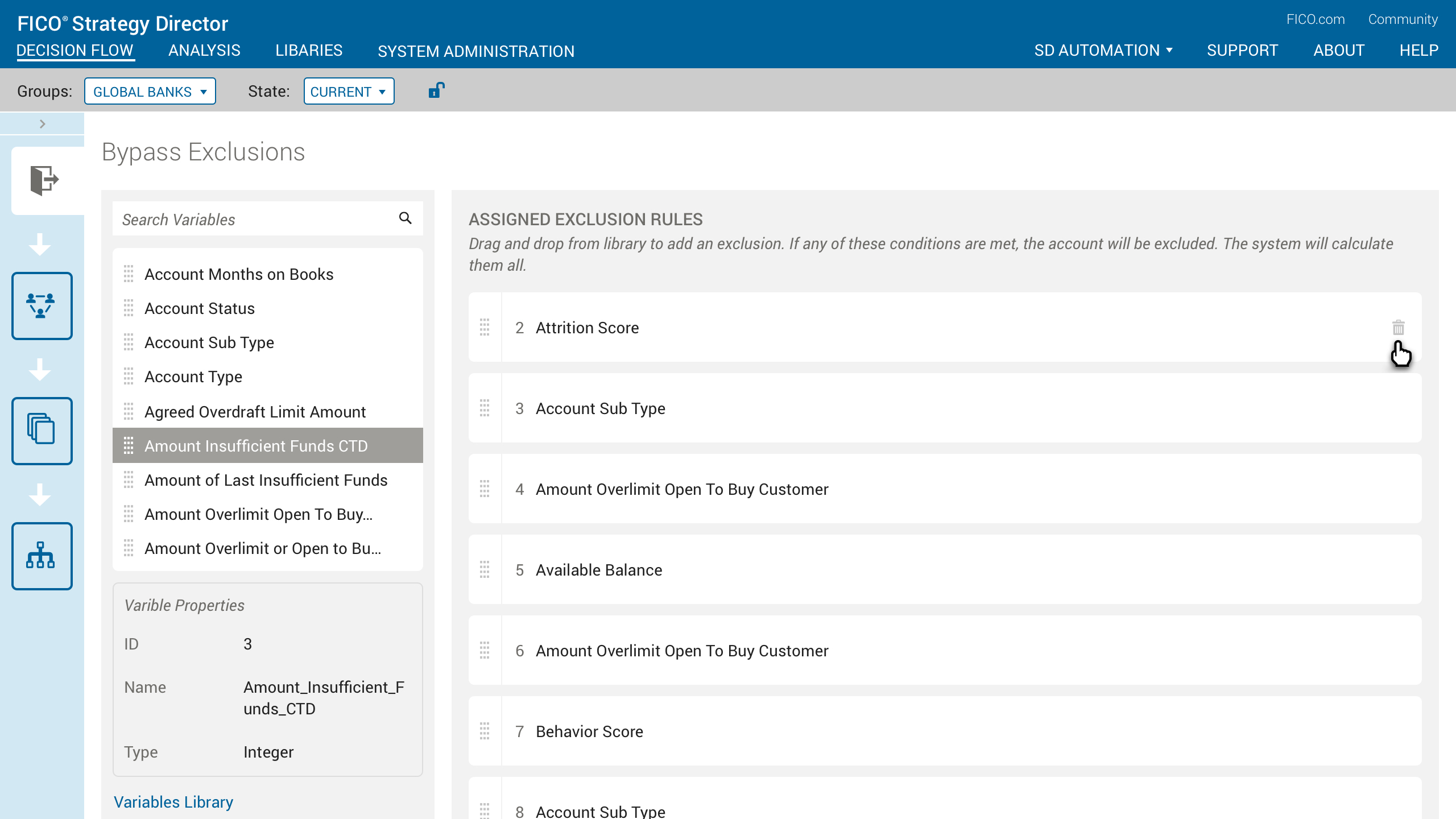
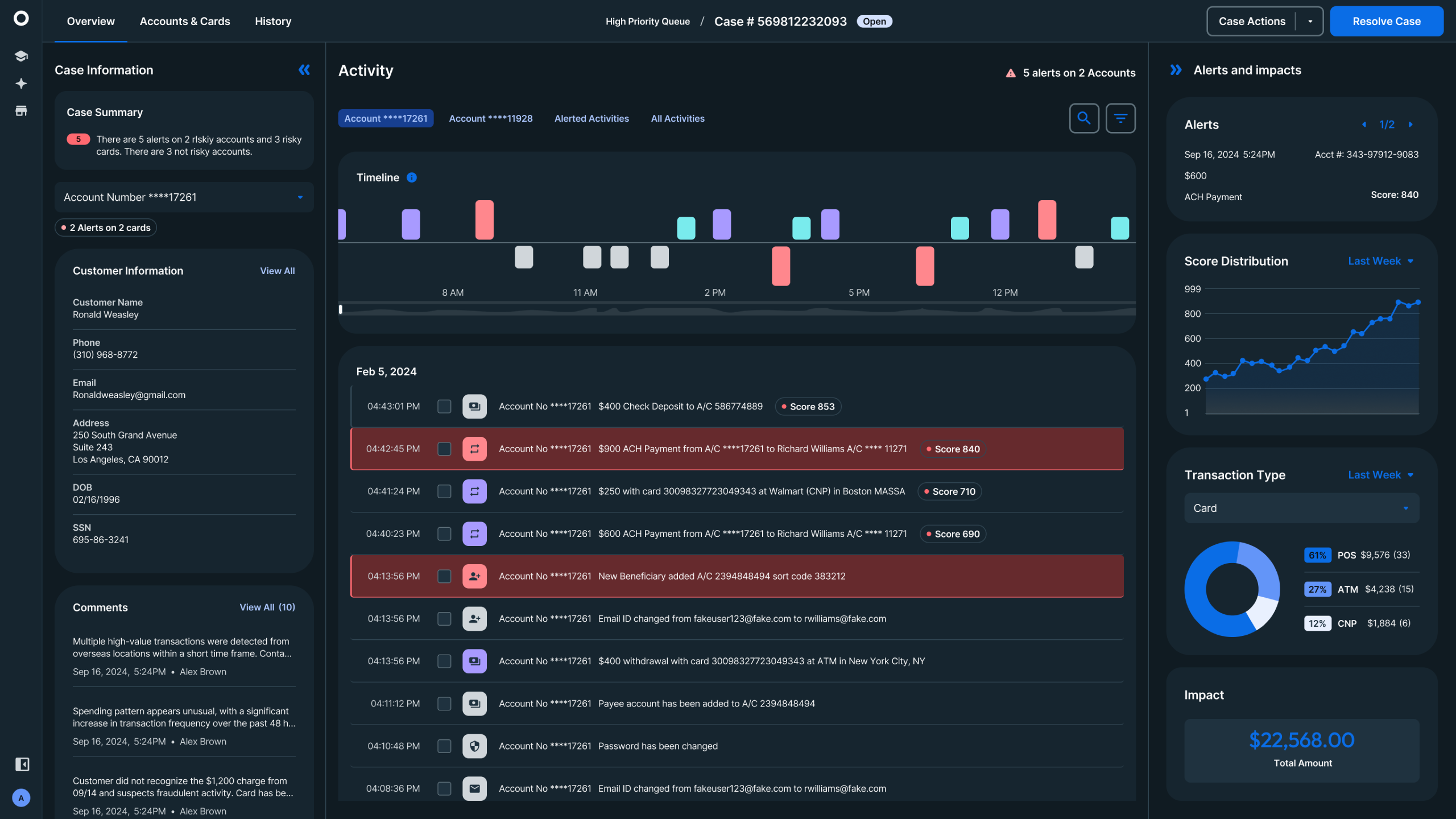
Fragmented implementations across products — same patterns, different executions.
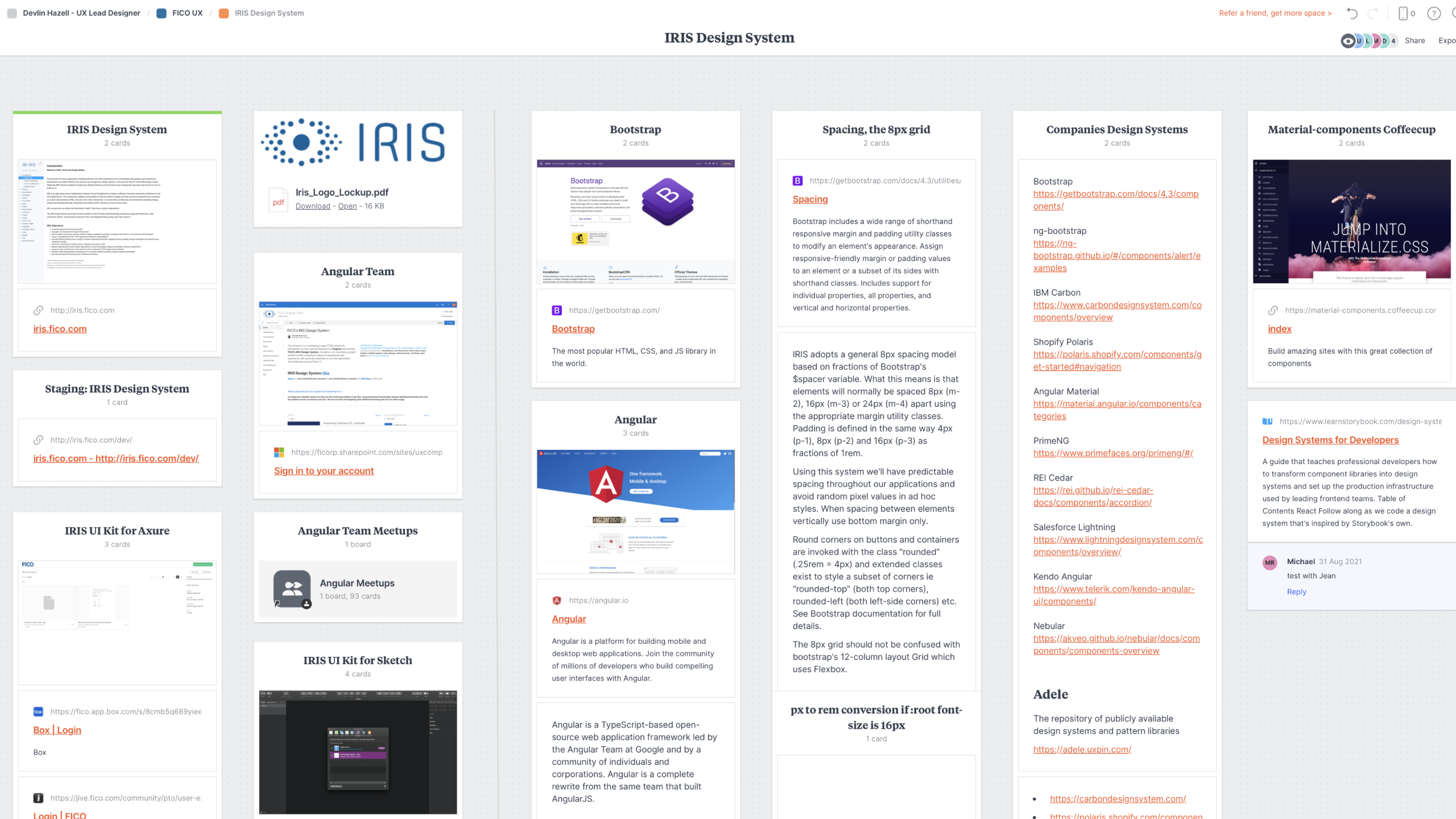
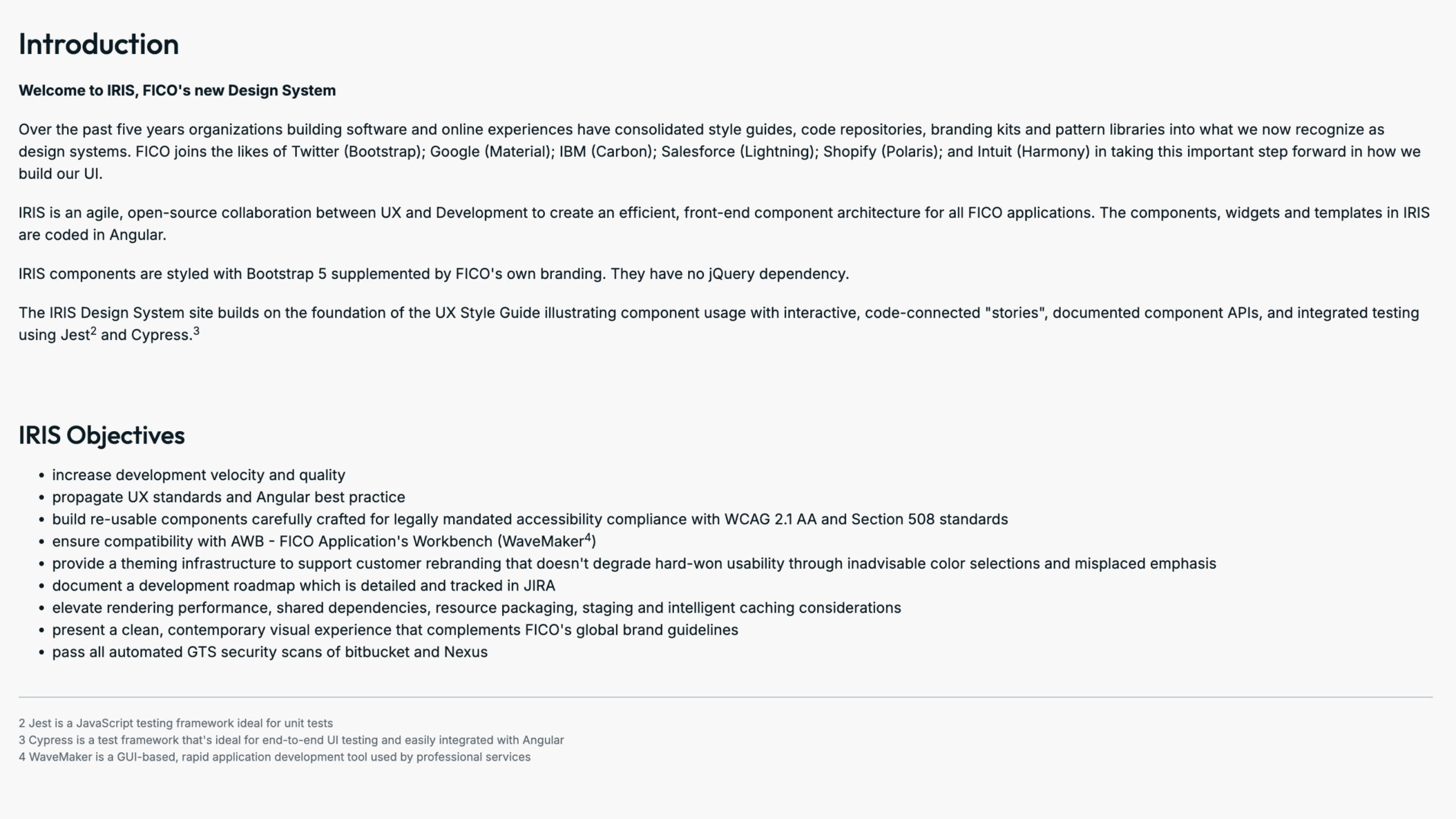
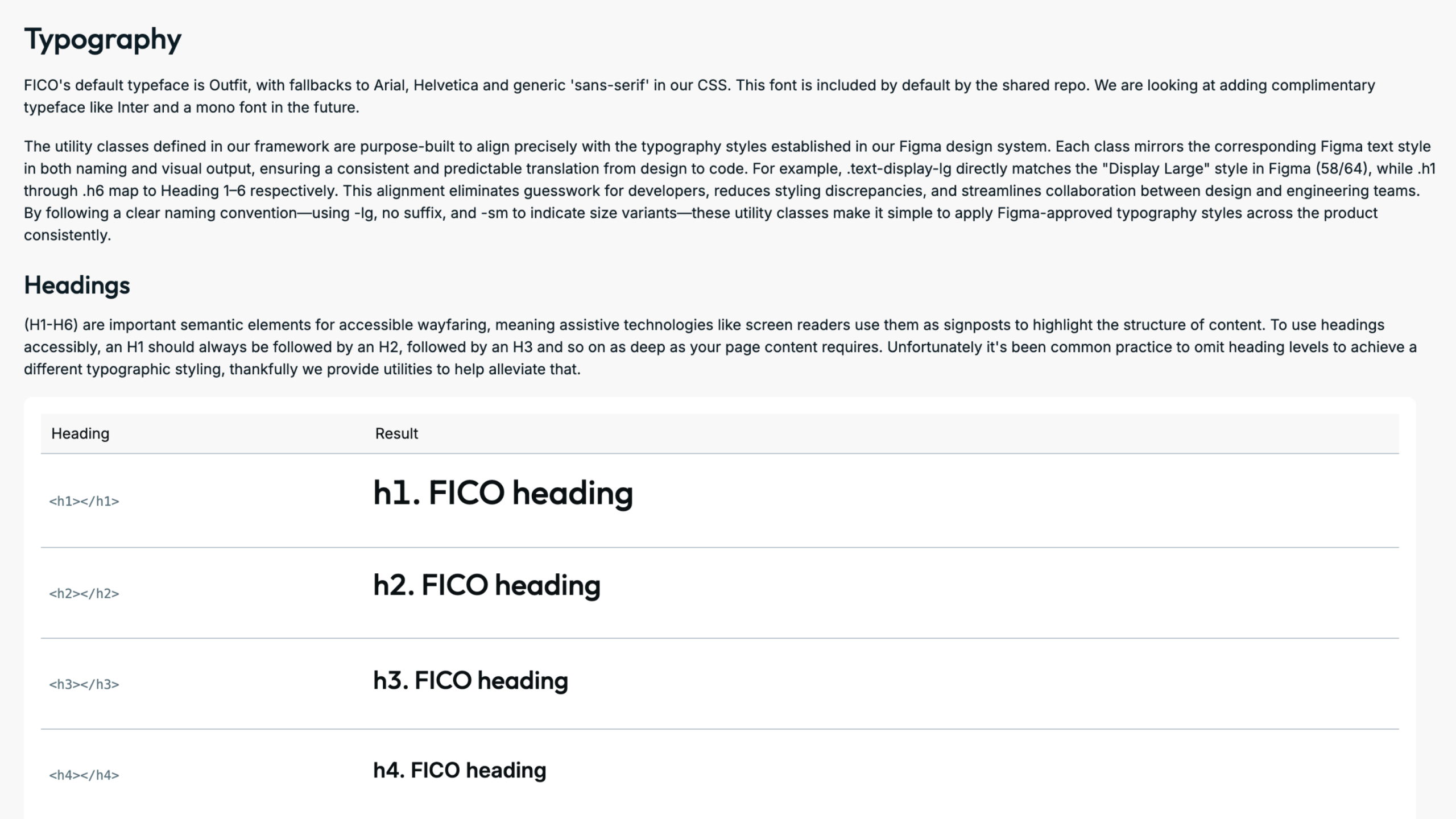
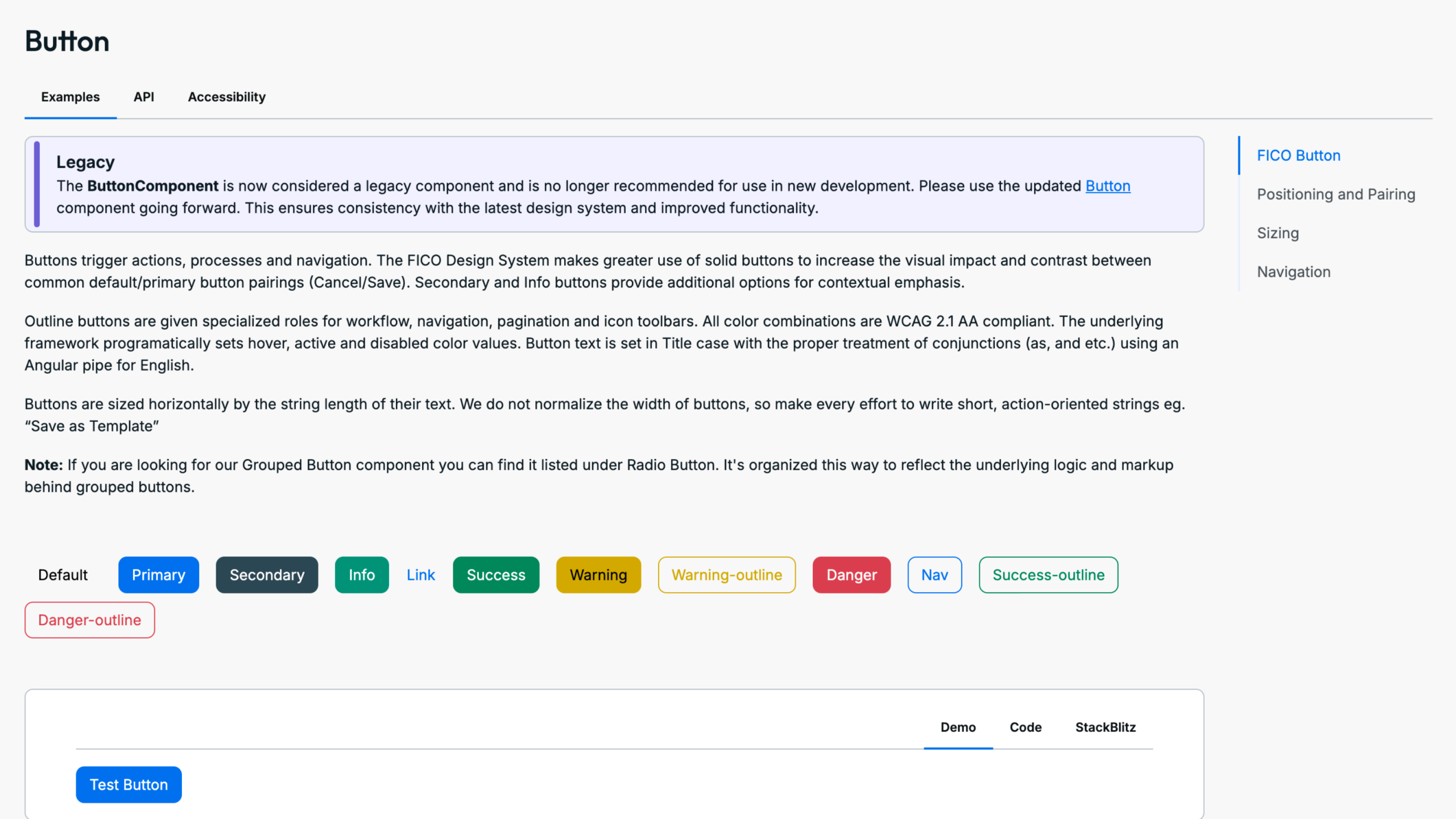
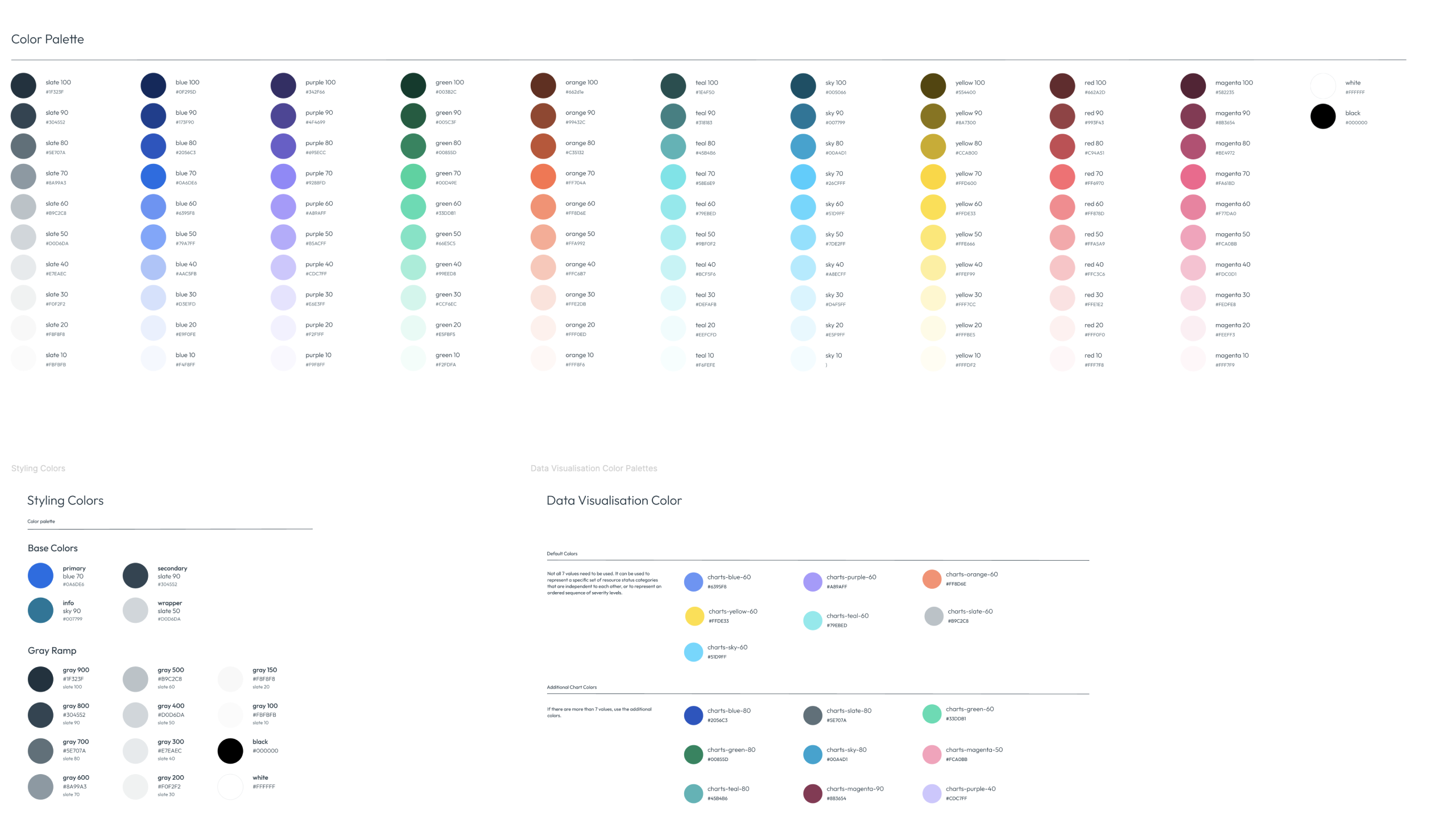
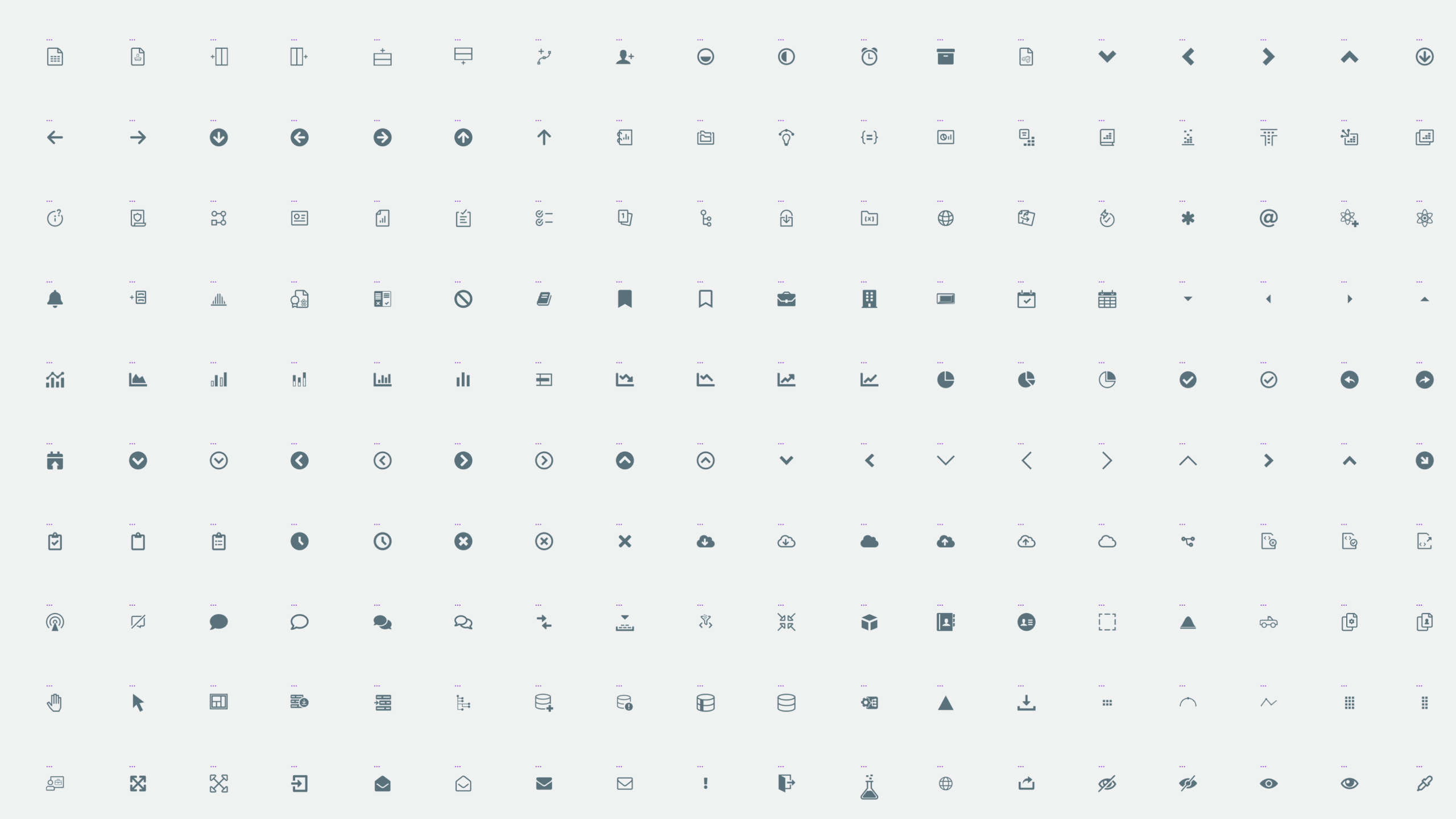
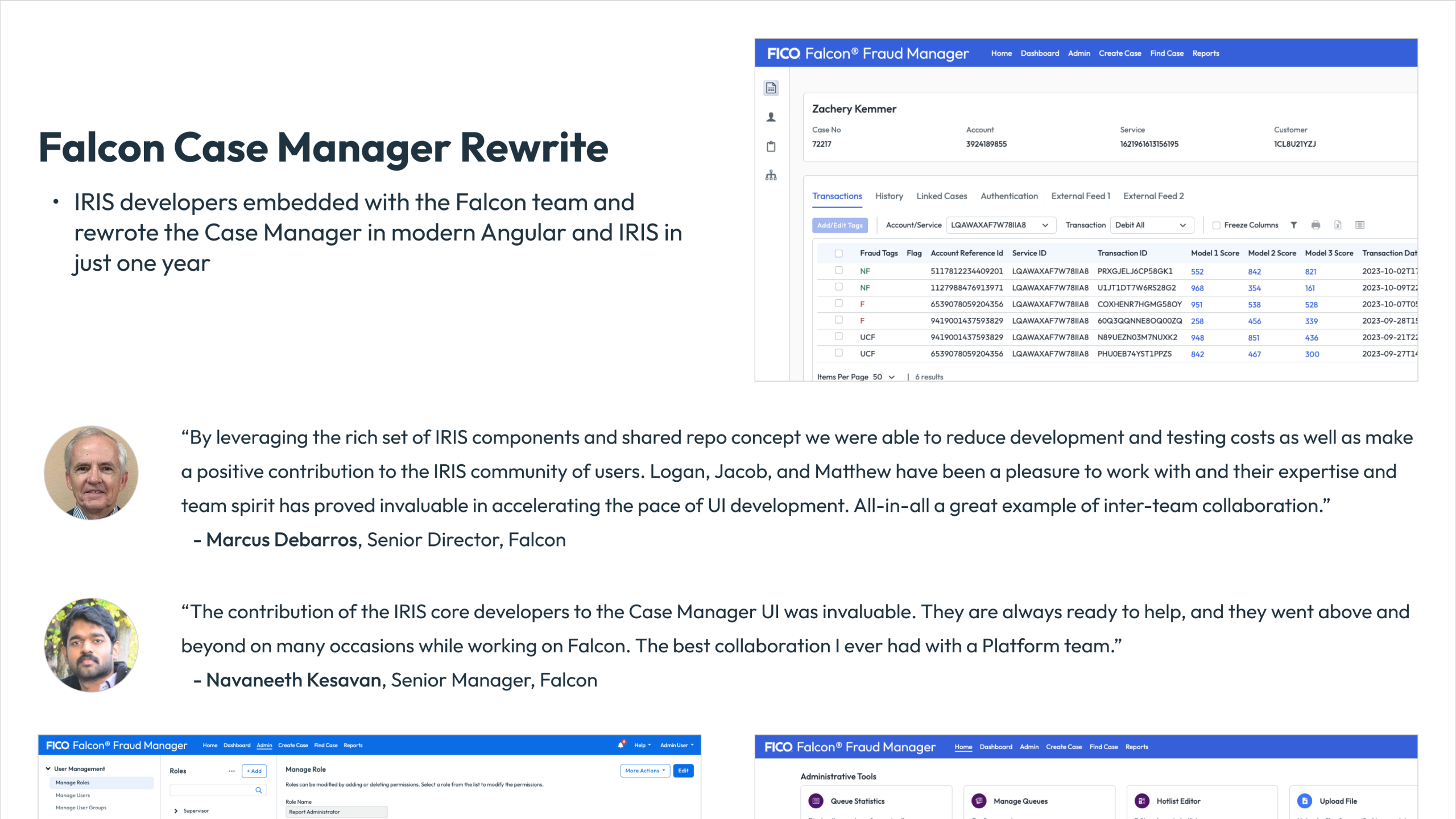
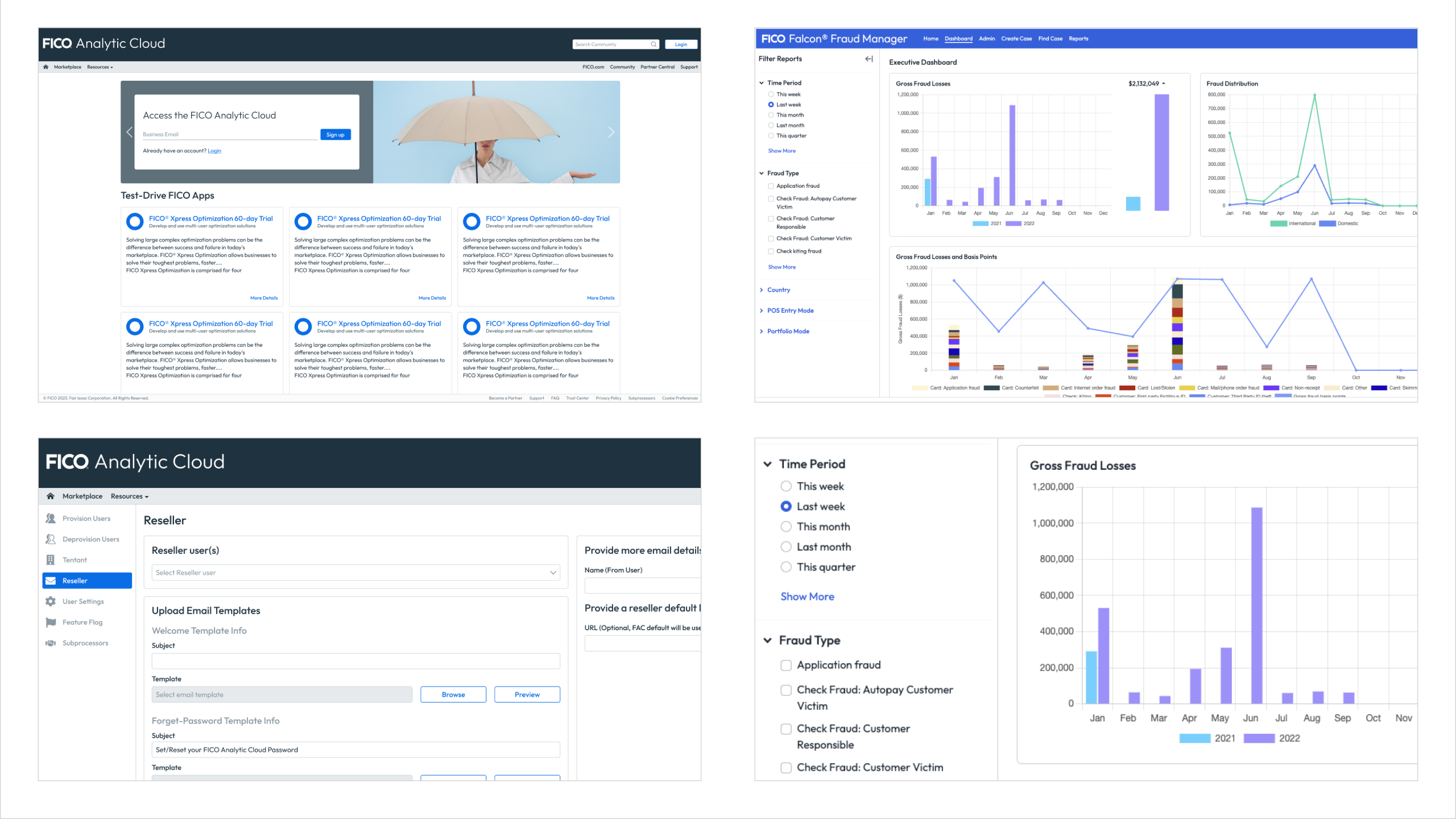
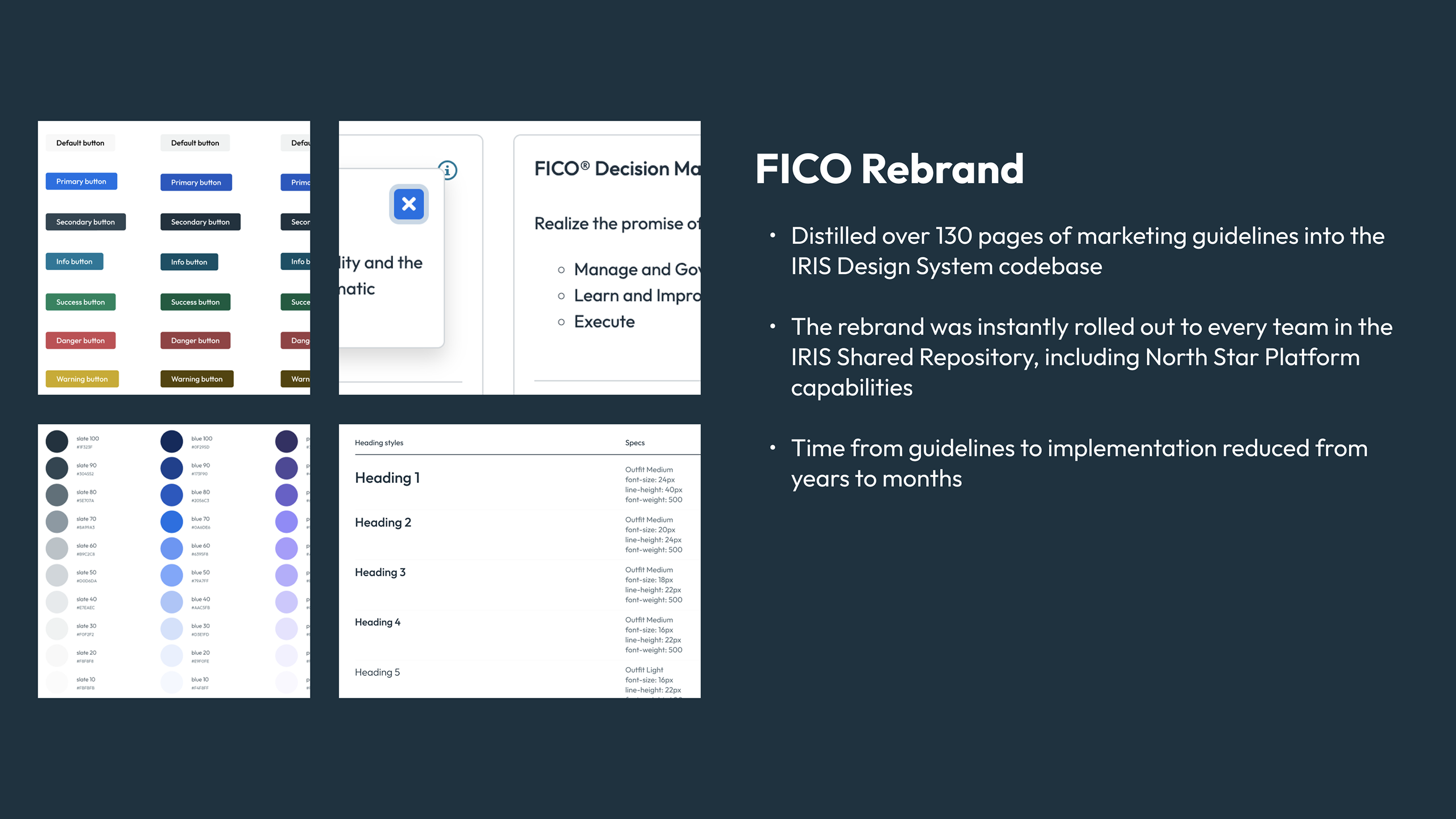
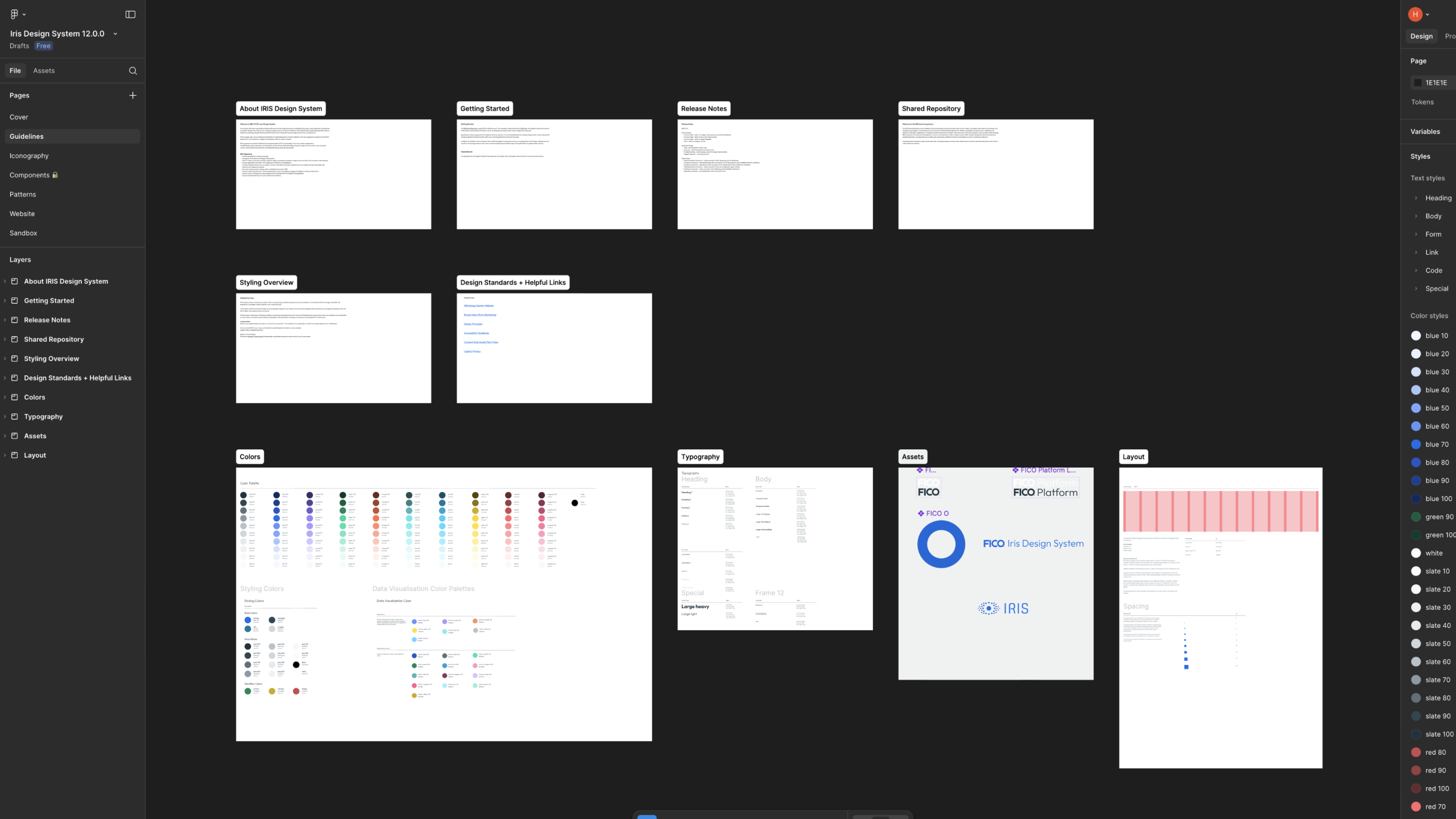
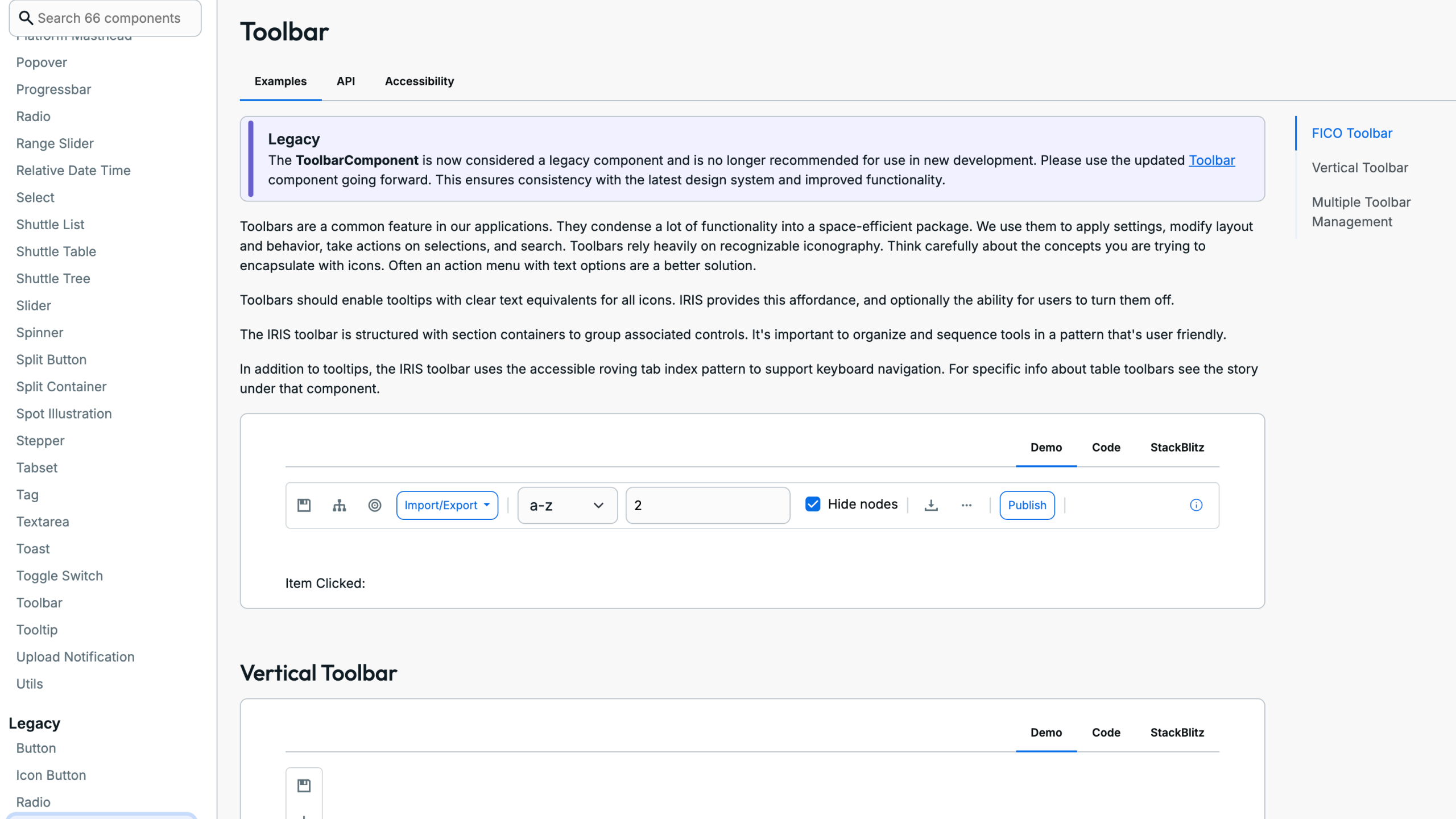
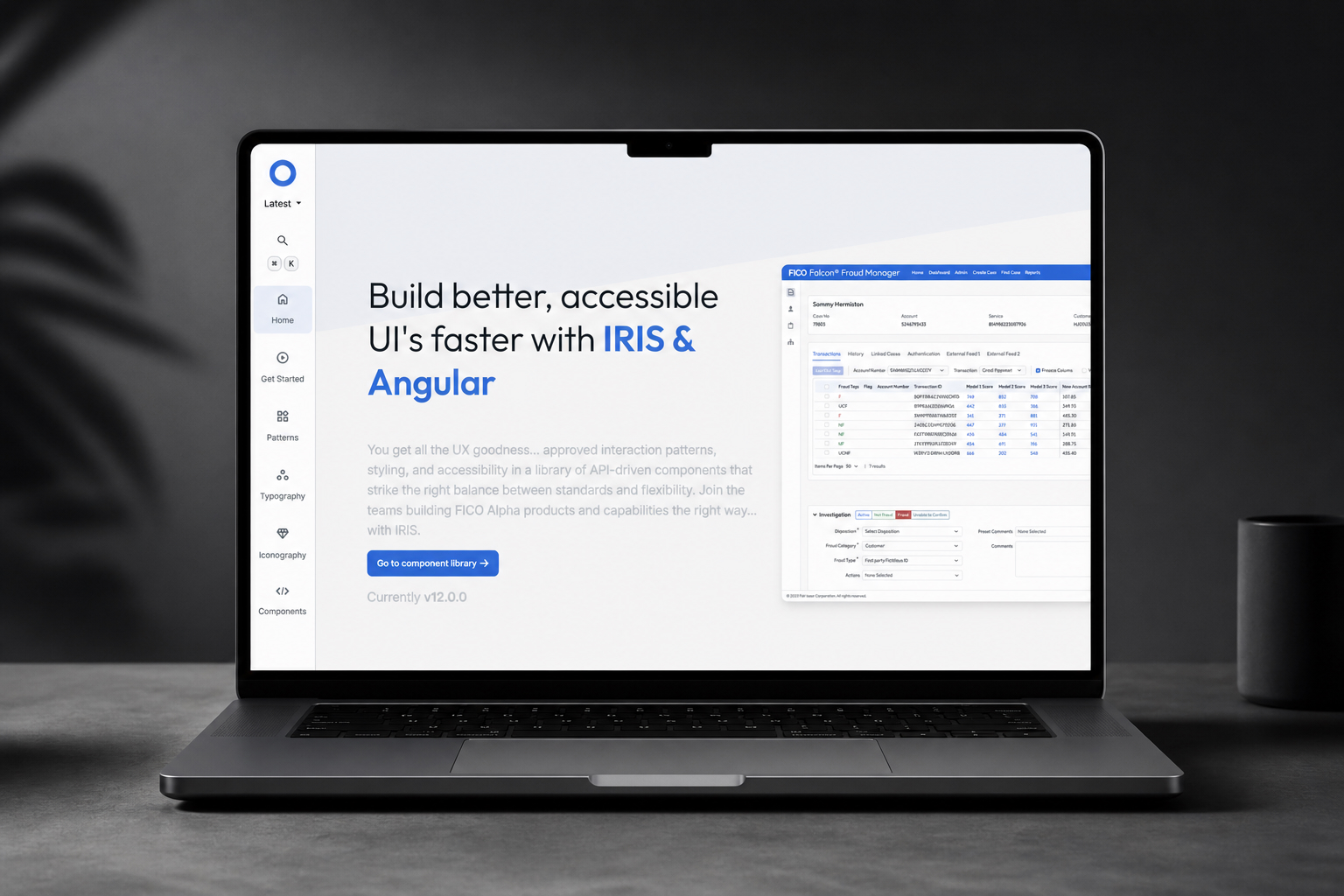
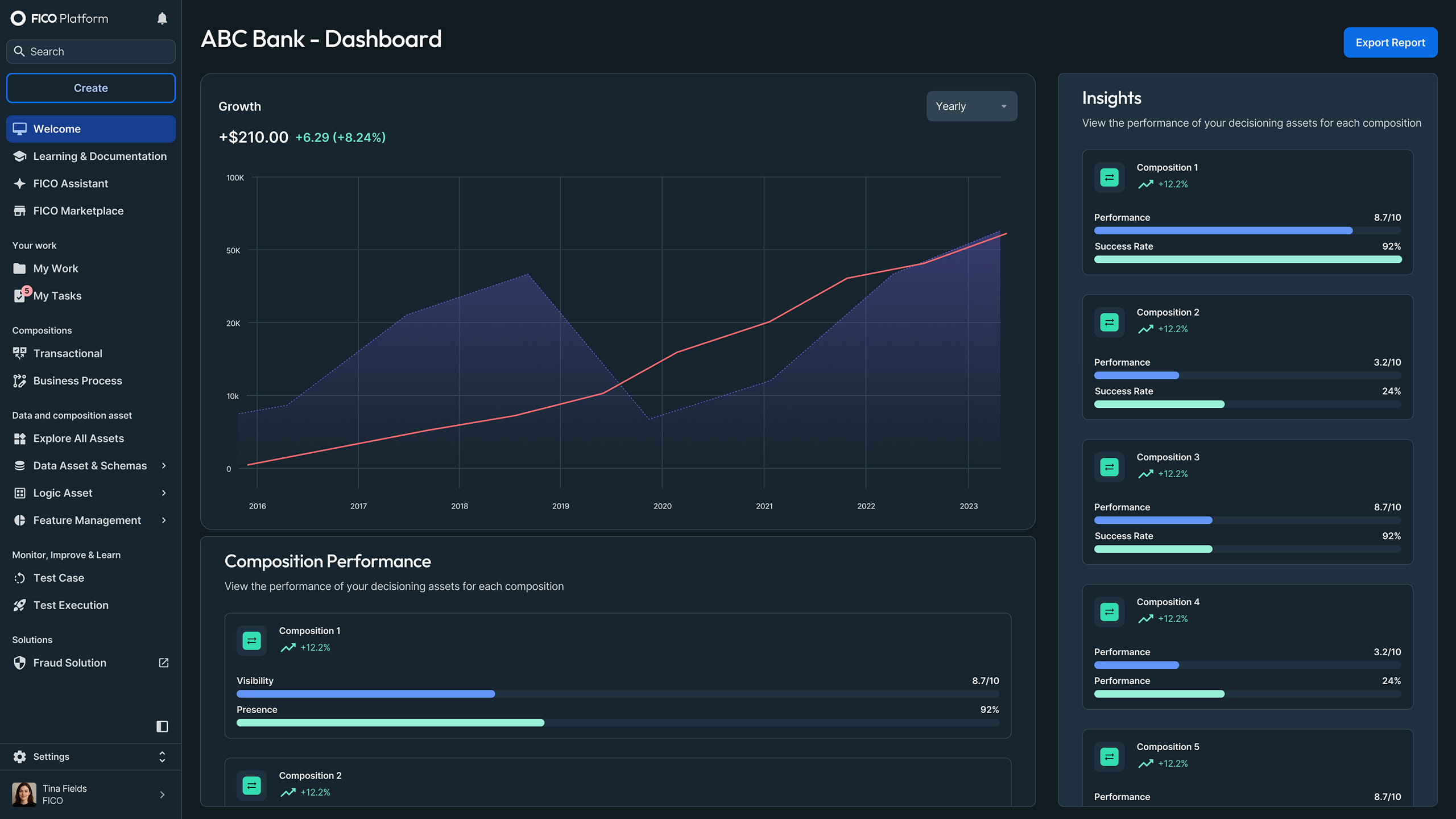
IRIS delivered a scalable, unified design foundation across FICO platform—enabling consistency, faster delivery, and long-term product innovation. This was achieved through deep cross-functional collaboration, ensuring the system was adopted, trusted, and sustained over time.
In 2025, IRIS evolved into the FICO Design System, purpose-built to enable the next-generation platform.
Moving forward, the opportunities are clear: dark mode support, automated design token pipelines, expanded governance for team contributions. The foundation is strong enough to build on indefinitely.