One year. A completely different workflow. This is the story of how I went from designing products to designing and building them.
Introduction
Curiosity is what first drew me into design. I think of myself as a problem solver first, a designer second.
Over the past two decades, I've delivered more than 75 projects for organizations ranging from startups to Fortune 500 companies, creating websites, mobile applications, enterprise software, and digital products. From my early days designing experiences for AOL to spending nine years helping shape products at FICO, one thing has always remained consistent:
I enjoy turning ideas into reality. That hasn't changed. What has changed is how I build.
Artificial intelligence didn't replace my process. It expanded it. Instead of spending most of my time moving pixels or wiring together prototypes and final products, I now spend more time exploring ideas, validating concepts, and building working products.
This timeline captures that evolution.
20+
Years designing
75+
Projects
11
Years at agencies and companies
9
Years at FICO, financial technology company
September 2025
The Reset
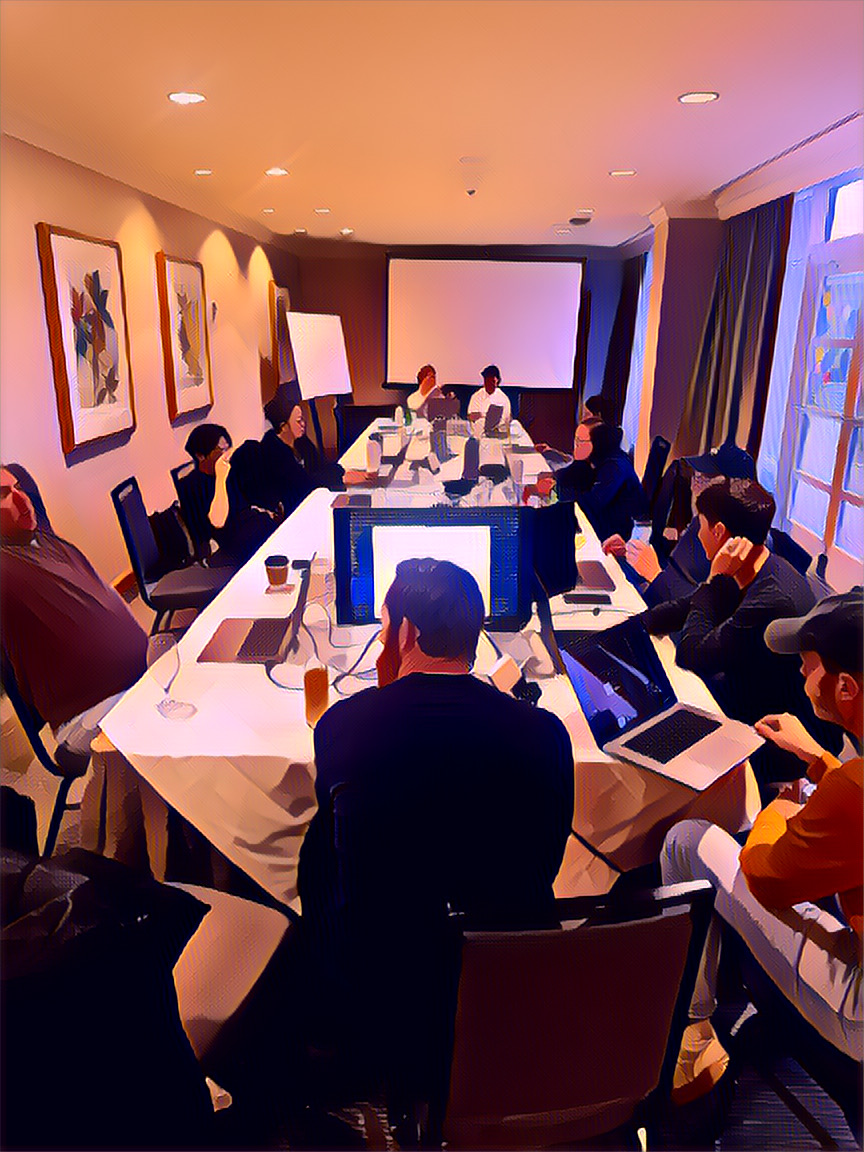
Team Meetup, Vancouver, BC — 2024
After nine years at FICO, I was unexpectedly laid off. It wasn't the ending I expected, but it became the beginning of something much bigger.
Rather than rushing into another position, I treated this moment as an opportunity to rethink how products could be designed and built. I began exploring the strengths and limitations of emerging AI tools while questioning every part of my existing workflow.
Highlights
Completed nine years at FICO
Began researching AI-assisted product development
Evaluated emerging AI tools
Started rethinking traditional UX workflows
Sometimes the biggest career shifts begin with unexpected change.
Oct – Dec 2025
Reflection & Direction
For the first time in years, I paused to reflect on my career, my process, and the kind of work I wanted to create next.
I redesigned my portfolio using Figma, WordPress, and Divi while documenting two decades of experience and preparing for a new chapter. Around the same time, a longtime business partner approached me with an ambitious product idea that would eventually become Surviving ComicCon.
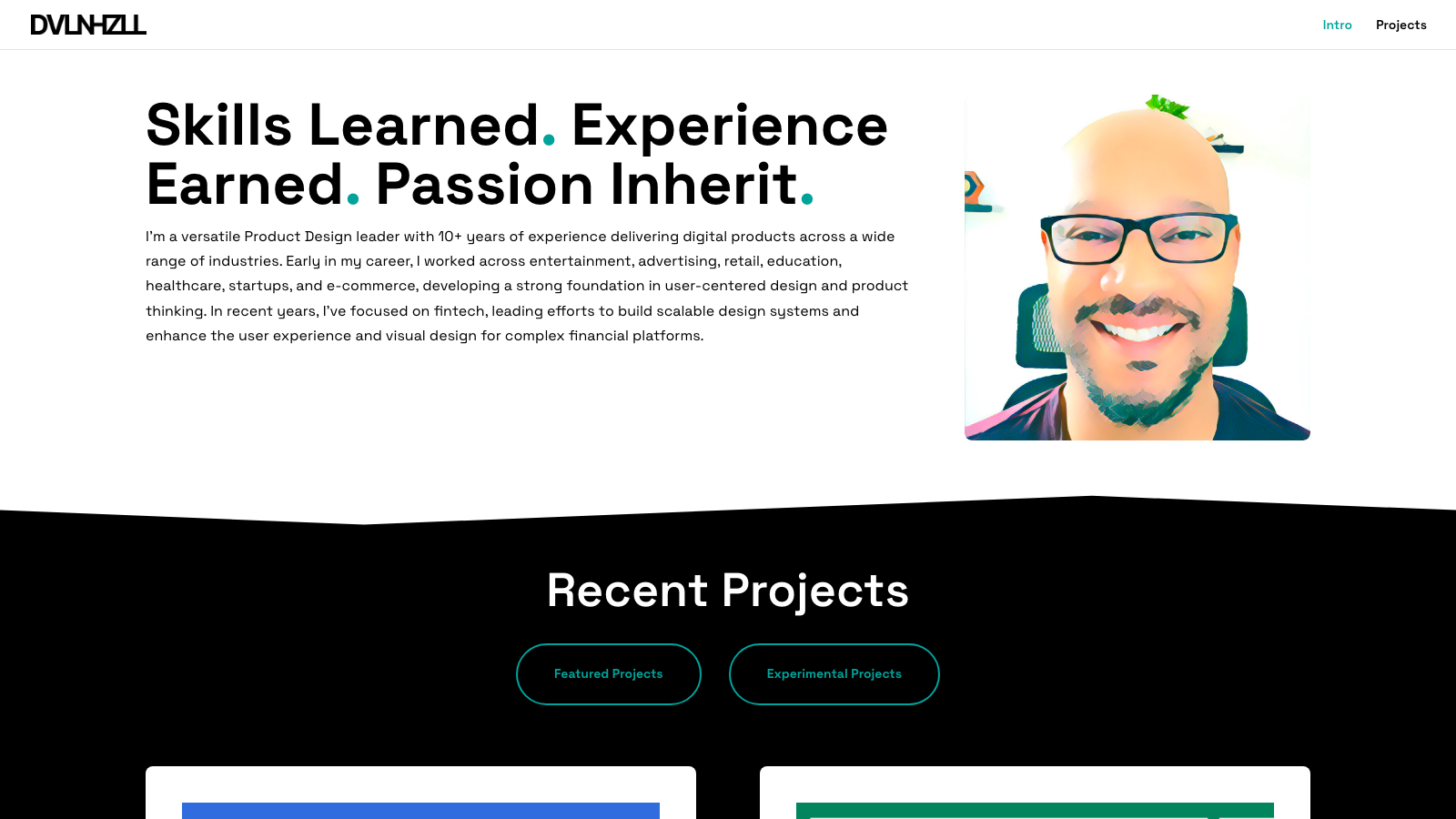
The portfolio I'd been running since 2016.
The 2025 redesign, still a hand-assembled Divi build.
Highlights
Portfolio redesign
Career reflection
Product discovery
Early planning for Surviving ComicCon
January 2026
Learning Faster
While interviewing for Product Design and Product Management roles, I immersed myself in AI-assisted product development.
Tools explored
Claude CodeChatGPTCursorBuilder.iov0LovableFigma MakeVisual Studio Code
Experiment
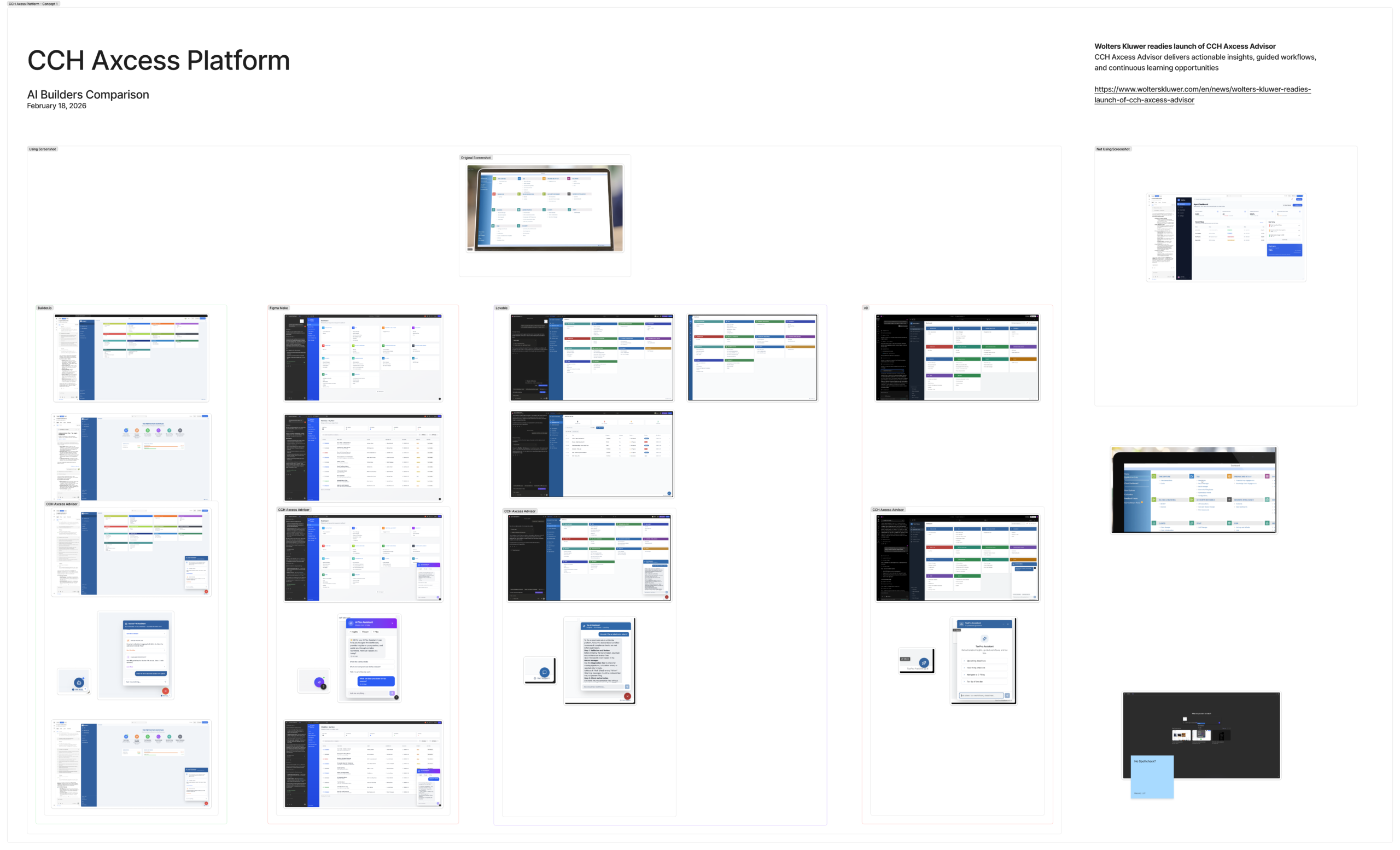
AI Builder Evaluation: Tax Agent Dashboard
One of my earliest experiments was building an AI Builder Evaluation for a Tax Agent Dashboard, comparing how multiple AI design tools responded to identical prompts.
Rather than evaluating aesthetics alone, I wanted to understand each tool's strengths, limitations, and practical value within a professional product workflow.
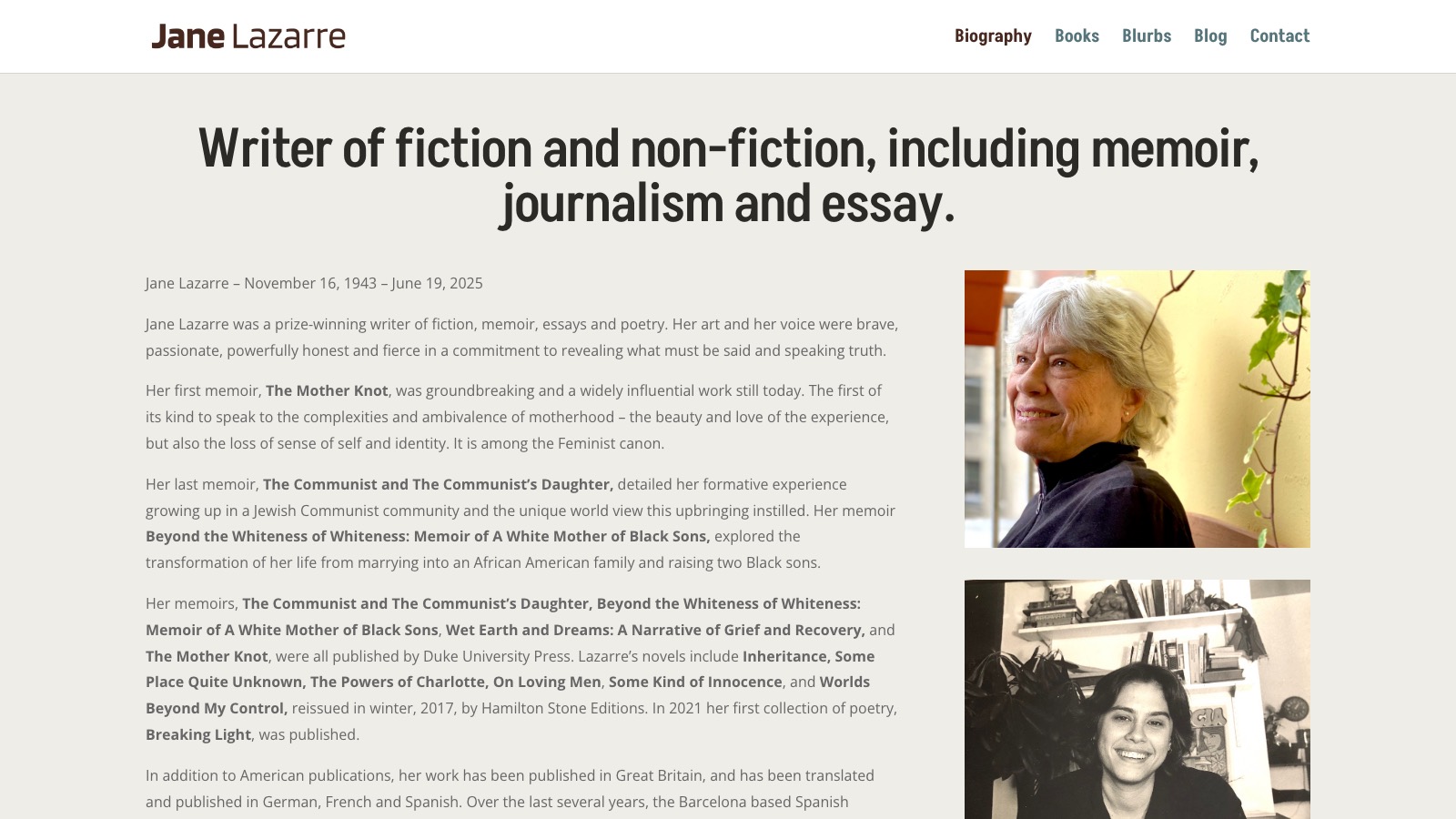
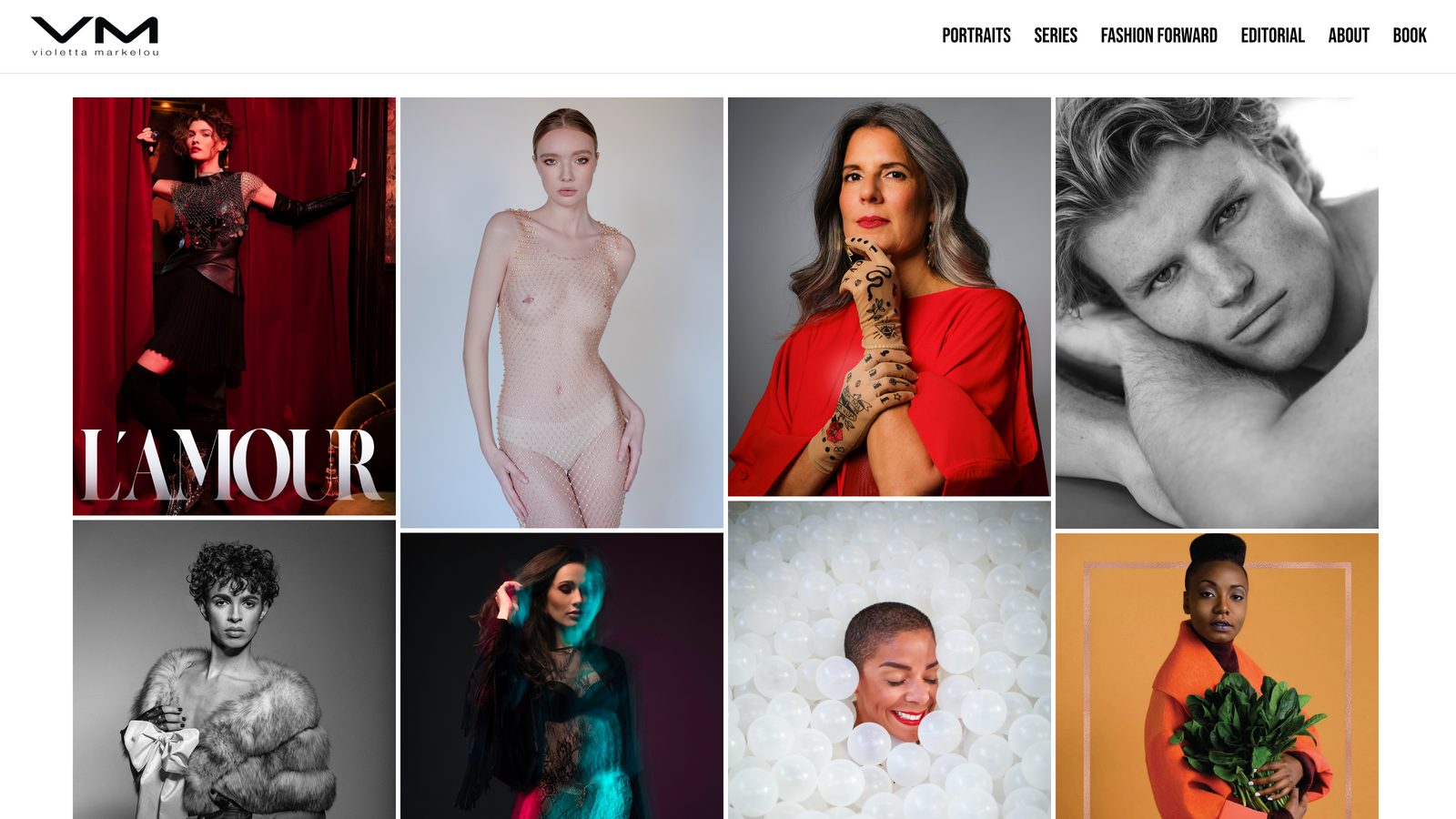
I also redesigned the Jane Lazarre and Violetta Markelou websites using Figma, WordPress, and Divi, reinforcing the contrast between my established workflow and the emerging AI-first approach.
Author site built in Figma, WordPress, and Divi, January 2026.
Photography portfolio built in Figma, WordPress, and Divi, January 2026.
For years, Figma, WordPress, Divi, and Photoshop were at the center of my workflow. While they enabled me to create polished digital experiences, every iteration required significant manual effort.
February 2026
Finding My Workflow
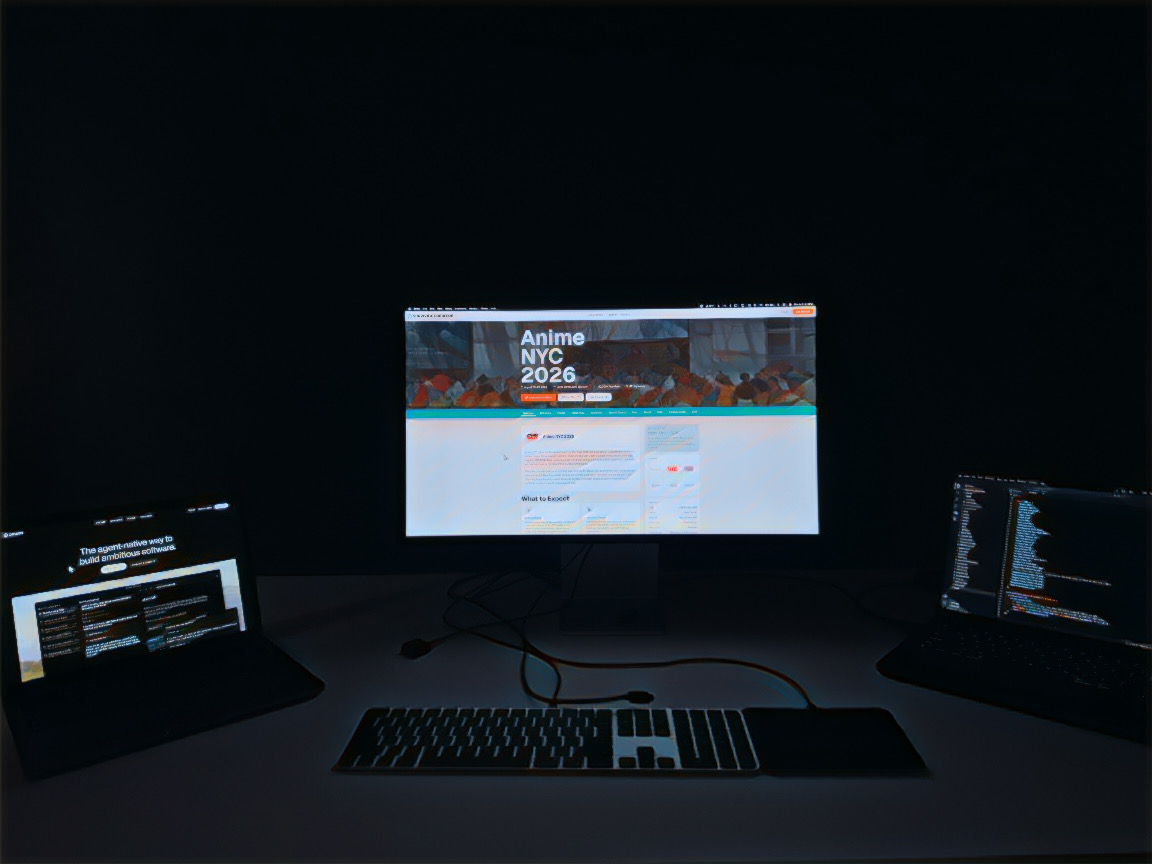
I began treating Claude Code as a collaborative design partner. I also used Claude Cowork to conduct research and explore ideas before committing to a direction. Ideas moved from concept to working prototype in hours instead of days. Visual Studio Code gave me direct visibility into the underlying code, allowing me to jump in, make adjustments, and keep iterating. For the first time, designing and building felt like one continuous process.
During this period
Built additional AI workflow experiments
Continued evaluating AI-generated interfaces
Surviving ComicCon reached Beta v0.1.0
Expanded networking and job search efforts
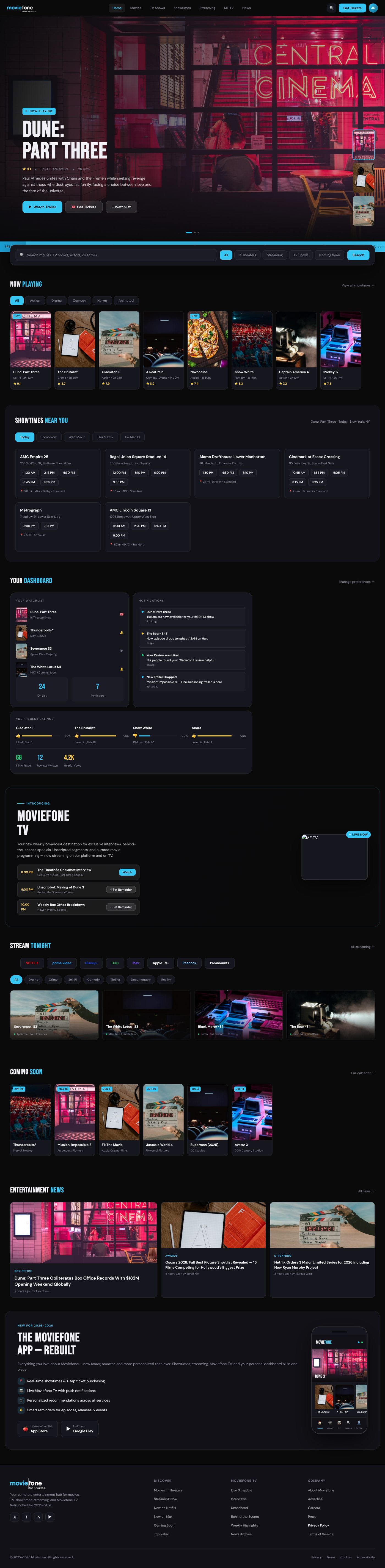
Moviefone concept — one of the AI-generated interfaces I evaluated.
The distance between an idea and a working product had never been shorter.
Mar – Apr 2026
Research and Development
I experimented with prompt engineering, agent-based workflows, AI-assisted coding, rapid prototyping, and product strategy.
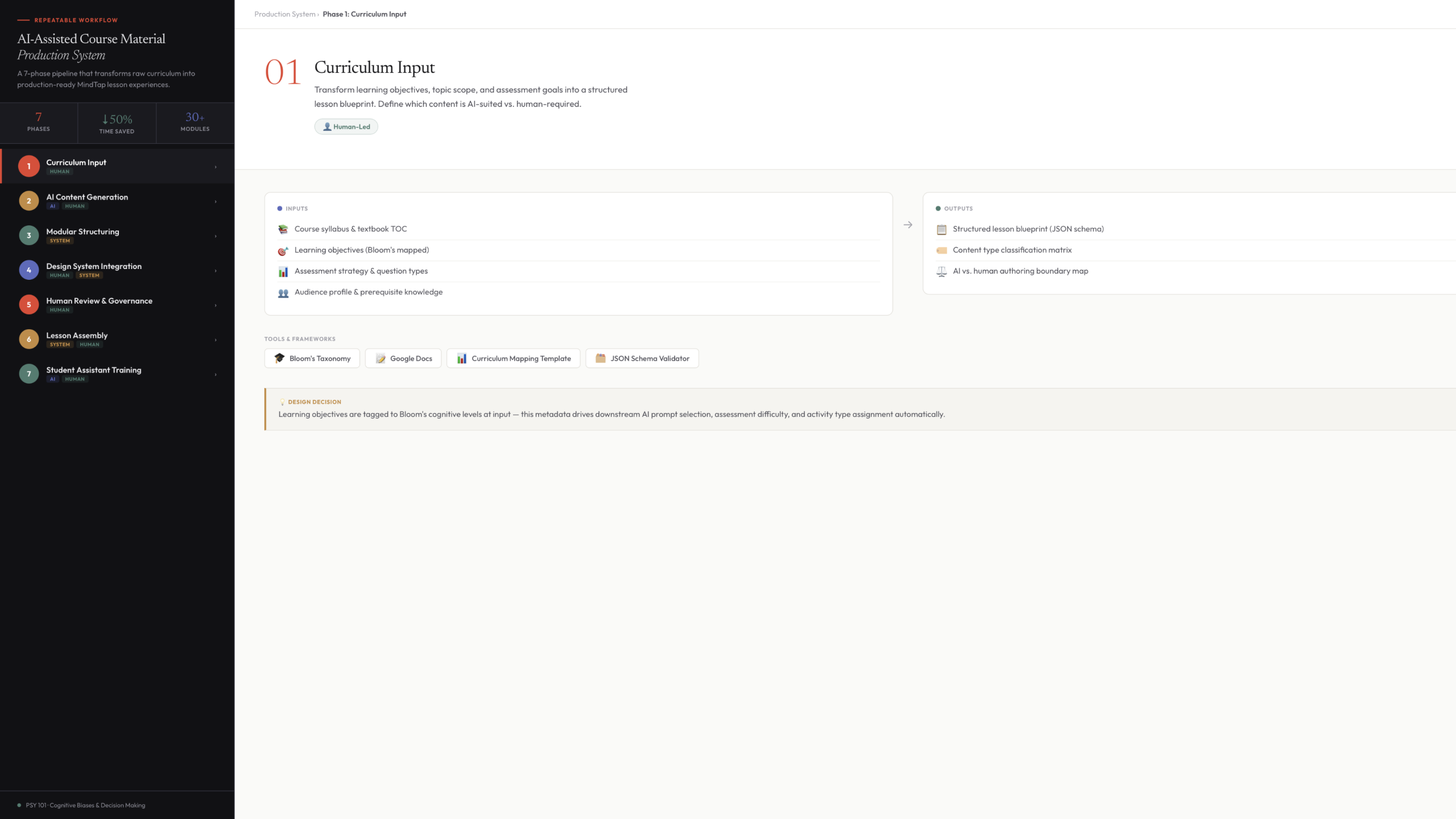
A highlight during this period was creating an AI-Assisted Course Design Platform, exploring how AI could streamline educational content creation while maintaining thoughtful user experience.
AI-Assisted Course Design Platform.
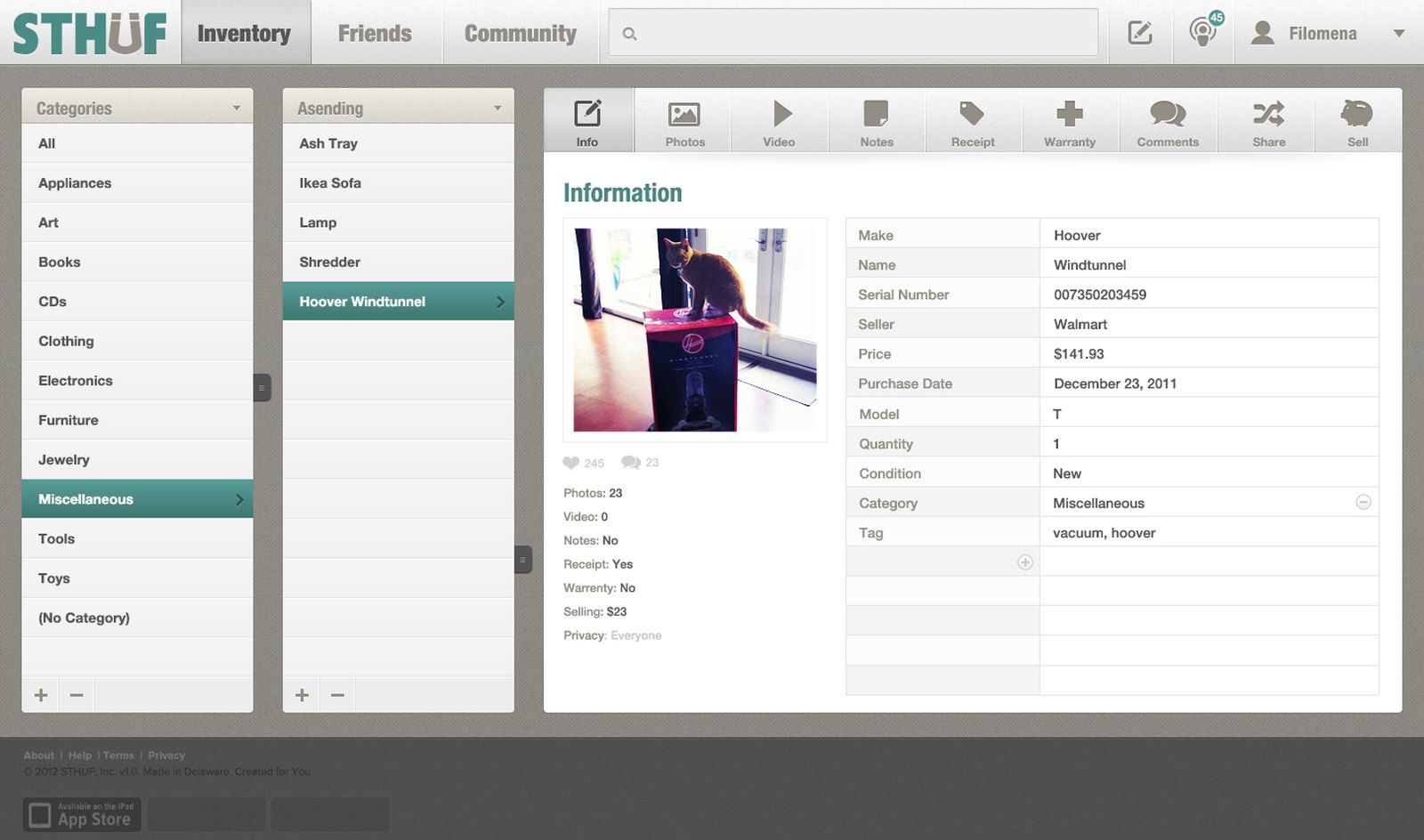
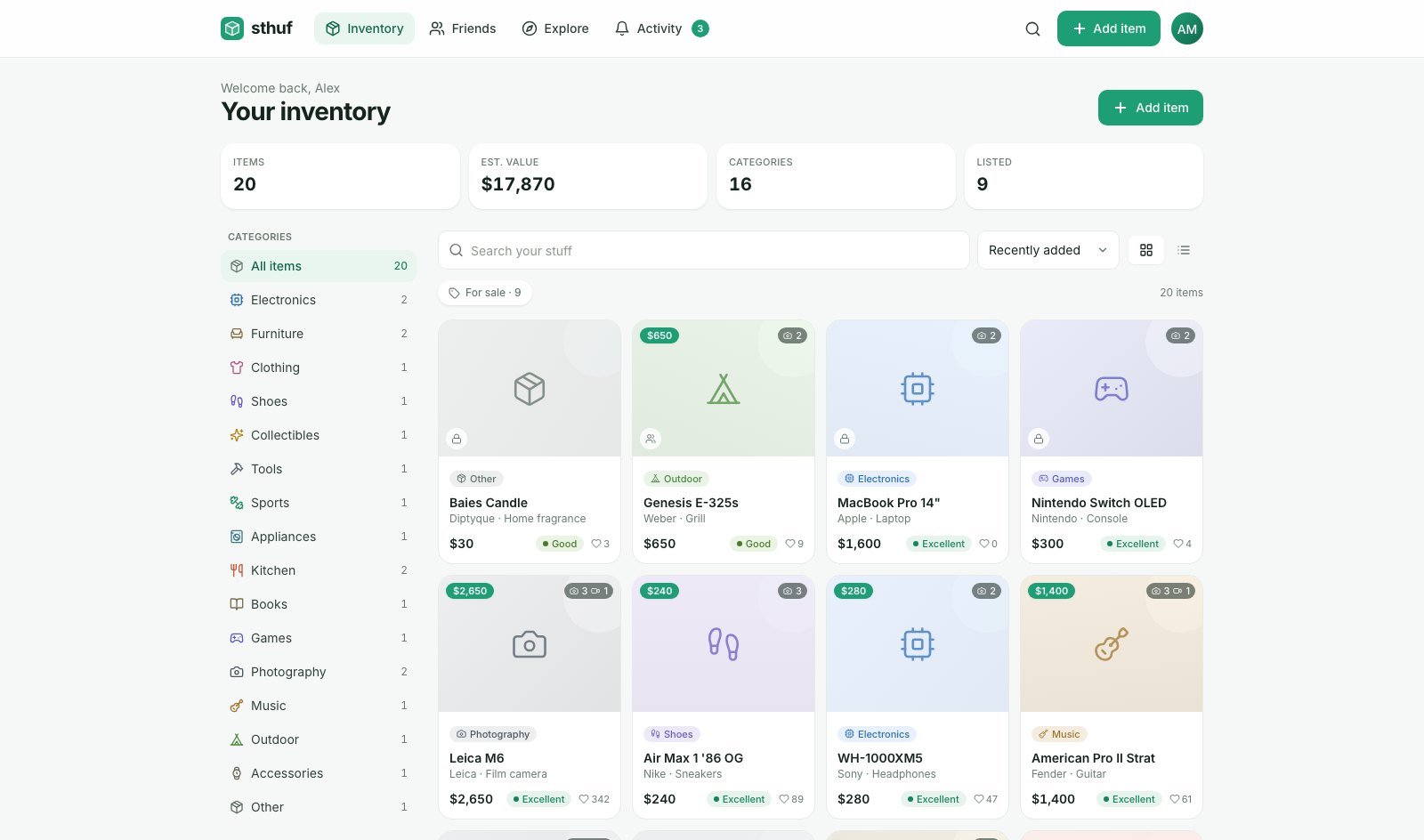
I also revisited ideas that had been waiting for the right time. One of those ideas was Sthuf, a personal inventory app that helps friends and family organize and share the things they own.
I originally began designing Sthuf in 2012 using Sketch and Photoshop. While the concept was strong, the time and effort required to build it kept it from moving beyond the design stage.
With AI-assisted development, I was finally able to bring the idea back to life. Today, Sthuf is in Beta v0.1.0, demonstrating how modern tools can help transform long-standing concepts into working products.
The original concept, designed in Sketch and Photoshop.
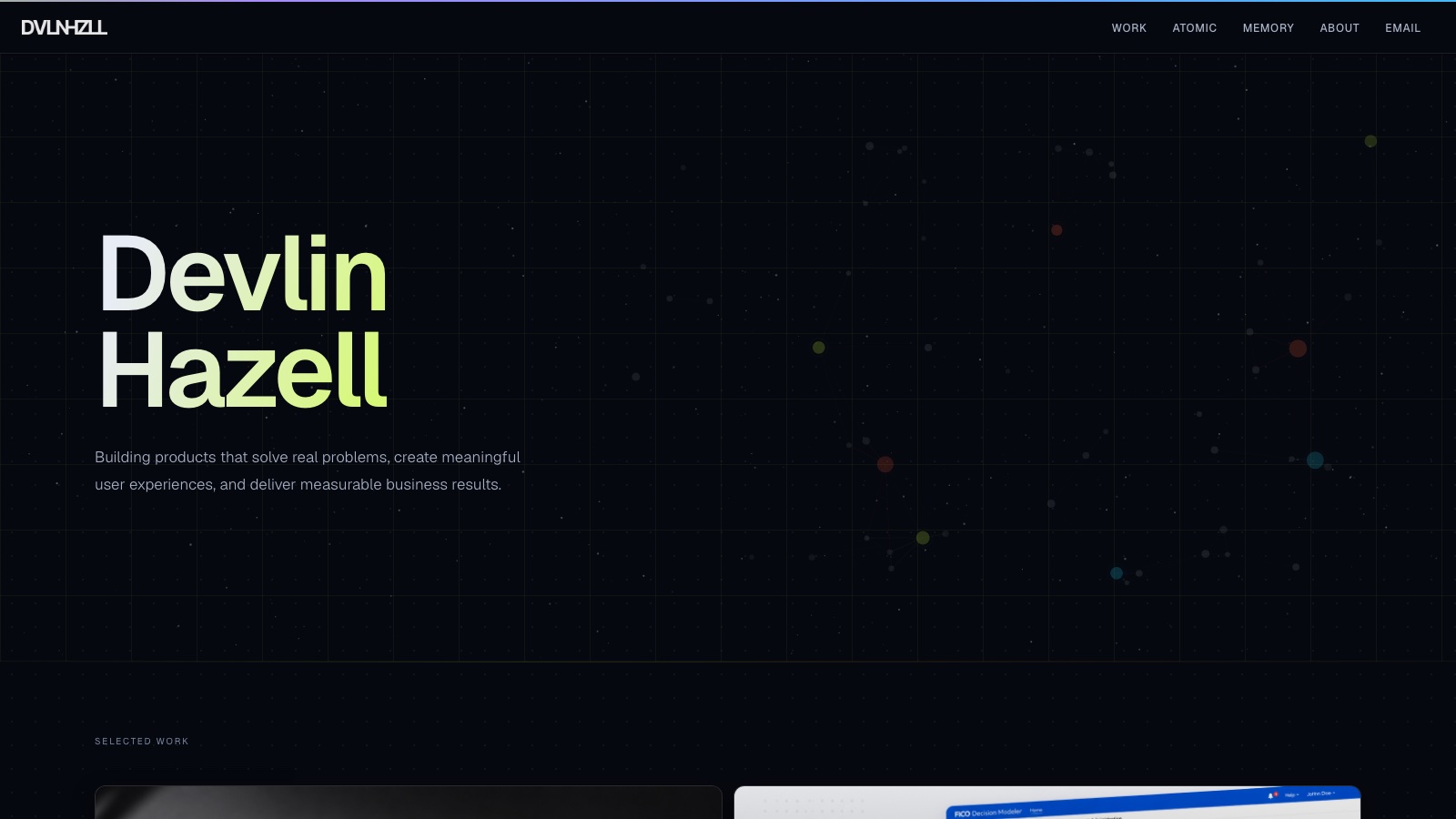
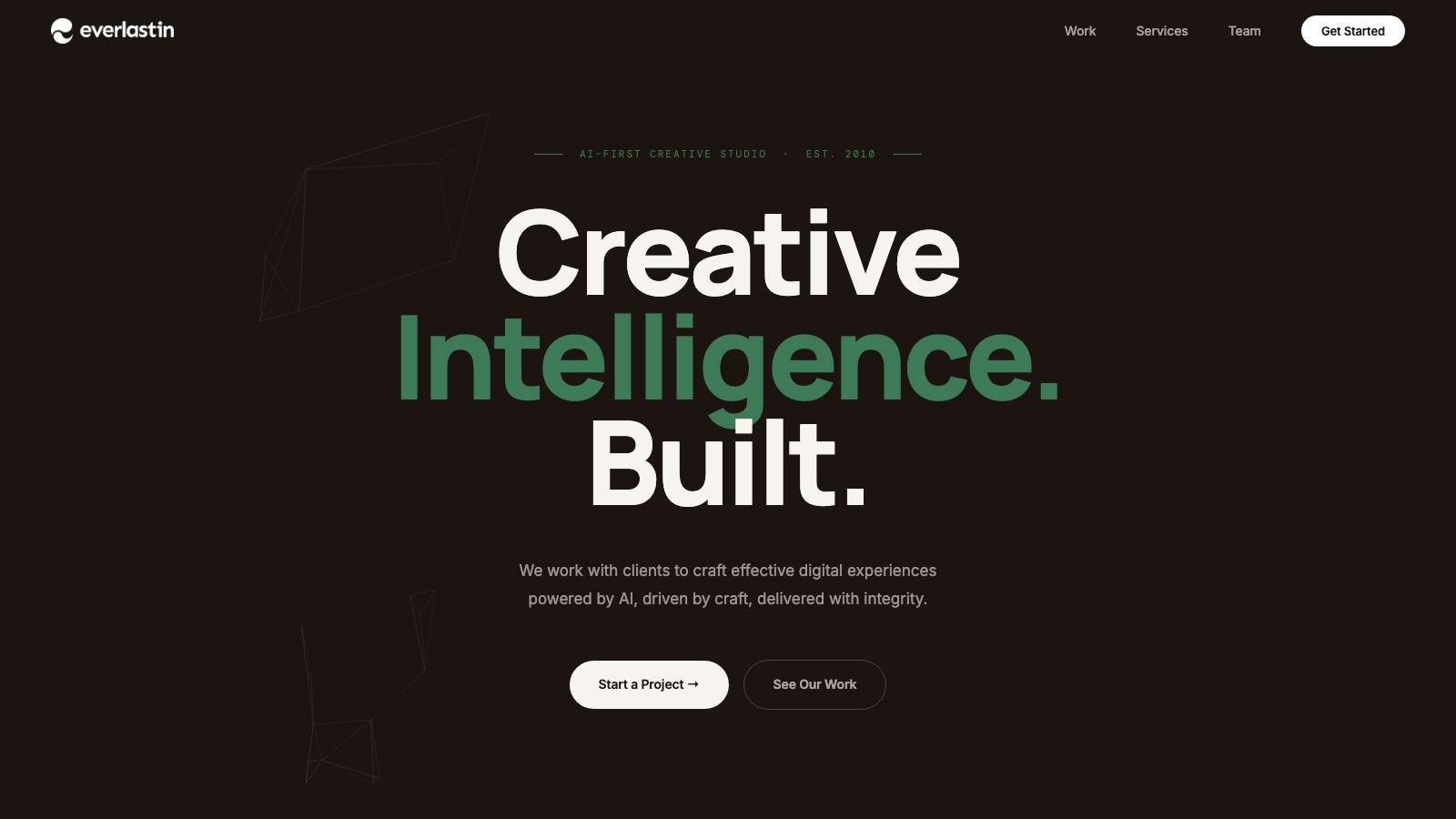
By this point, I was more than comfortable working with Claude Code. I decided to completely rebuild both my personal portfolio and my creative studio, Everlast Interactive.
For nearly two decades, my workflow revolved around WordPress, Divi, Photoshop, and Figma. During my career, I partnered with marketing teams, agencies, nonprofits, startups, and enterprise organizations to create websites, digital campaigns, mobile applications, and software products.
Rebuilding these sites with Claude Code challenged nearly every assumption I had about how digital products are created. Instead of manually assembling layouts, refining mockups, and handing designs off for implementation, I could describe an idea, iterate through conversation, and build directly in code. Design, development, and experimentation became part of the same continuous workflow.
devlinhazell.com, rebuilt from scratch, May 2026.
everlastin.com, the studio site, June 2026.
The biggest shift wasn't learning a new tool, it was changing where I invested my time. Rather than spending hours producing screens, I could focus on product strategy, systems thinking, user outcomes, and rapid experimentation. AI accelerated execution, but experience remained the guide. Knowing what to refine, what to simplify, what to challenge, and ultimately what to create is still a uniquely human responsibility.
AI didn't replace my design experience. It amplified it.
Config 2026
Questioning the Status Quo
In June, I virtually attended Config expecting to learn about the latest capabilities in Figma. Instead, I left with a much bigger question:
Does every product still need to begin in Figma?
As AI-generated interfaces became increasingly capable, I found myself spending less time designing individual screens and more time thinking about systems, user outcomes, and implementation.
Figma remains an exceptional design tool, but I realized it was no longer the only starting point. Depending on the problem, working directly in code with AI often allowed me to explore ideas faster, validate concepts earlier, and iterate on real experiences instead of static mockups.
July 2026
Momentum
By July, months of experimentation had evolved into a repeatable product development workflow.
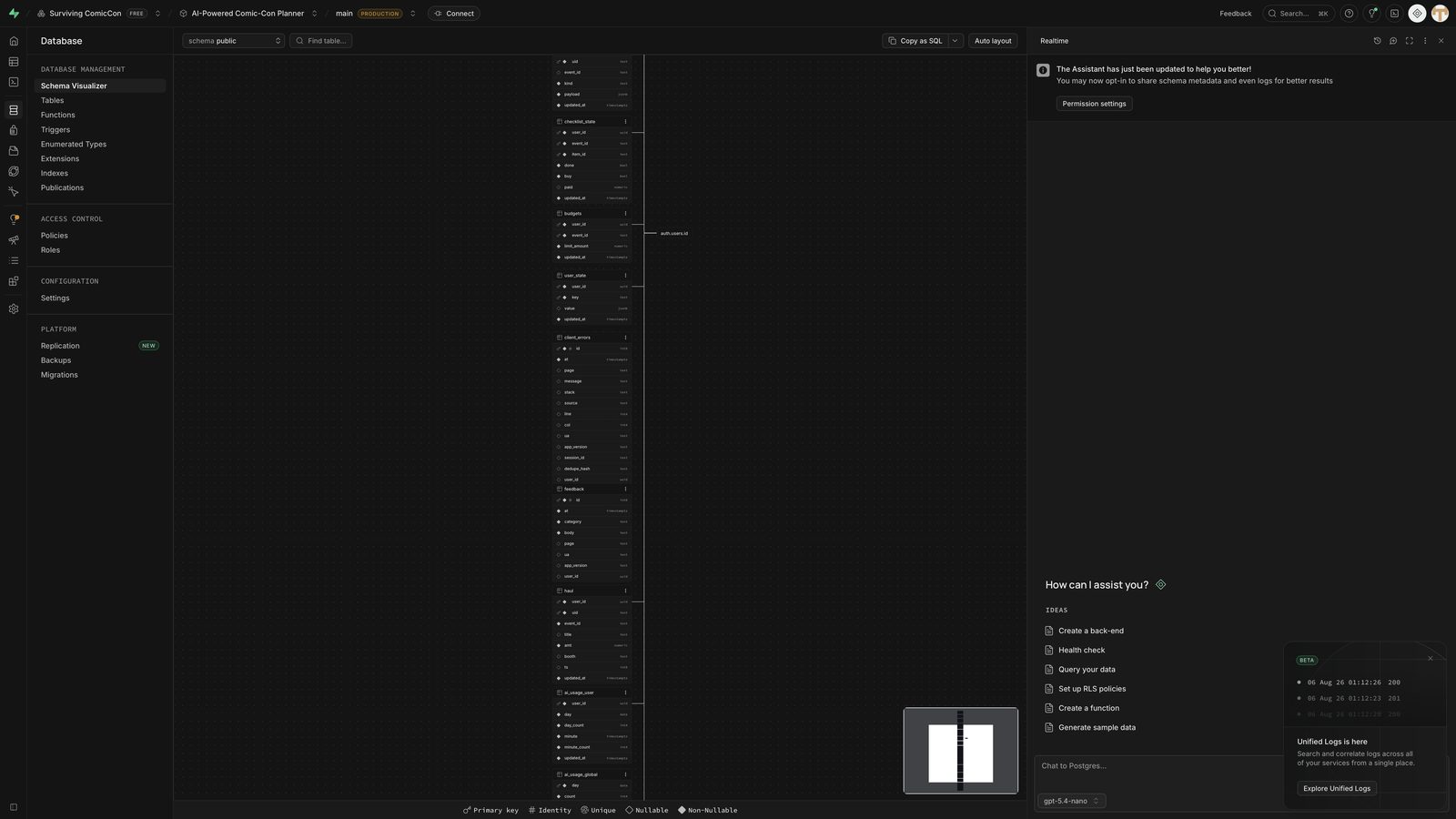
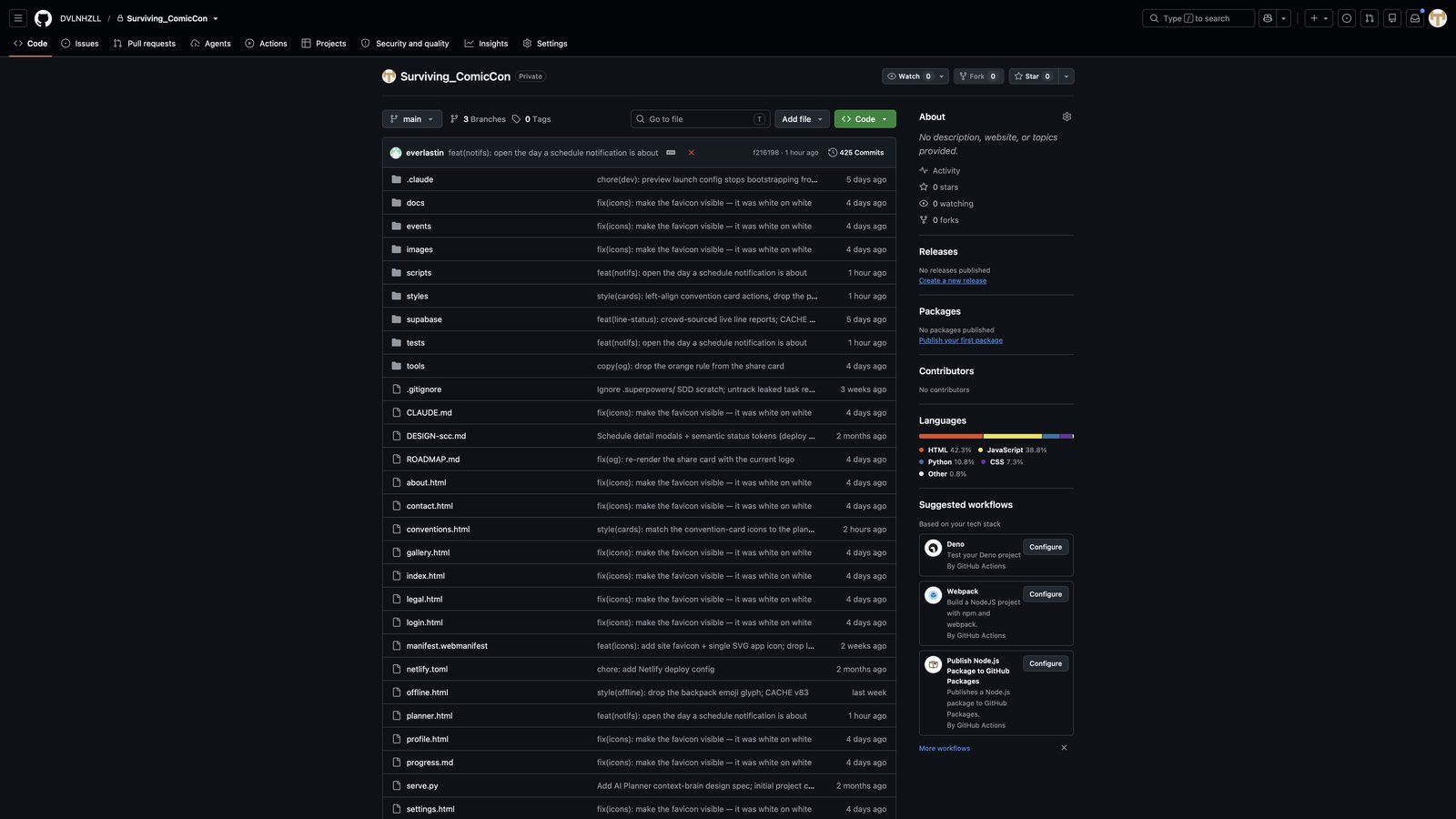
Surviving ComicCon reached Beta v0.8.0, marking a major milestone in the product's evolution. I built the application using Supabase for the backend and database, Netlify for hosting and continuous deployment, and GitHub for version control.
Surviving ComicConUnder NDA
v0.1.0
February 2026
v0.8.0
July 2026
v0.11.0
Today
In addition to advancing Surviving ComicCon, I applied the same AI-assisted workflow to client projects.
Projects
Surviving ComicCon: Beta v0.8.0
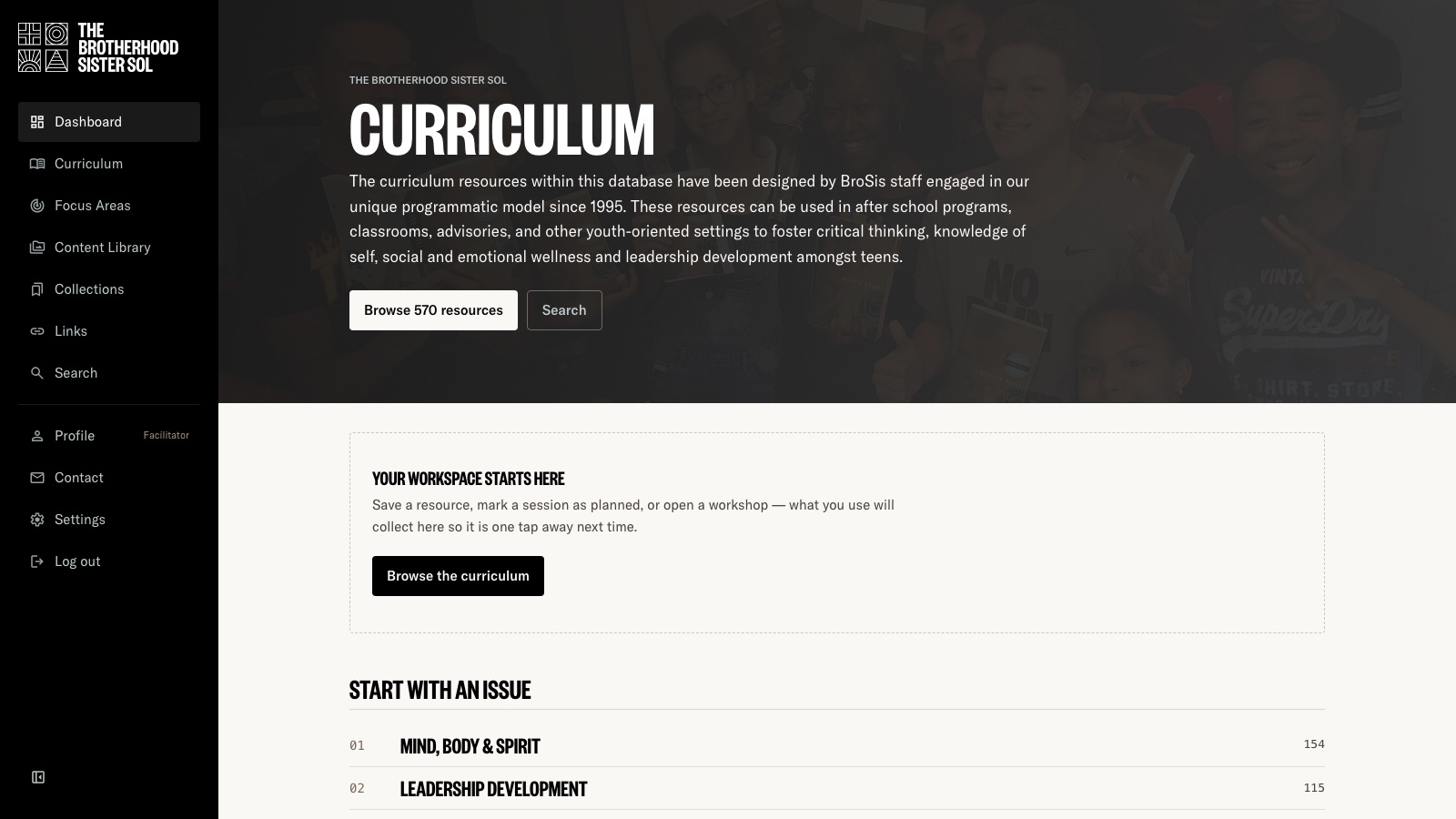
Brotherhood Sister Sol: Curriculum platform redesign and modernization
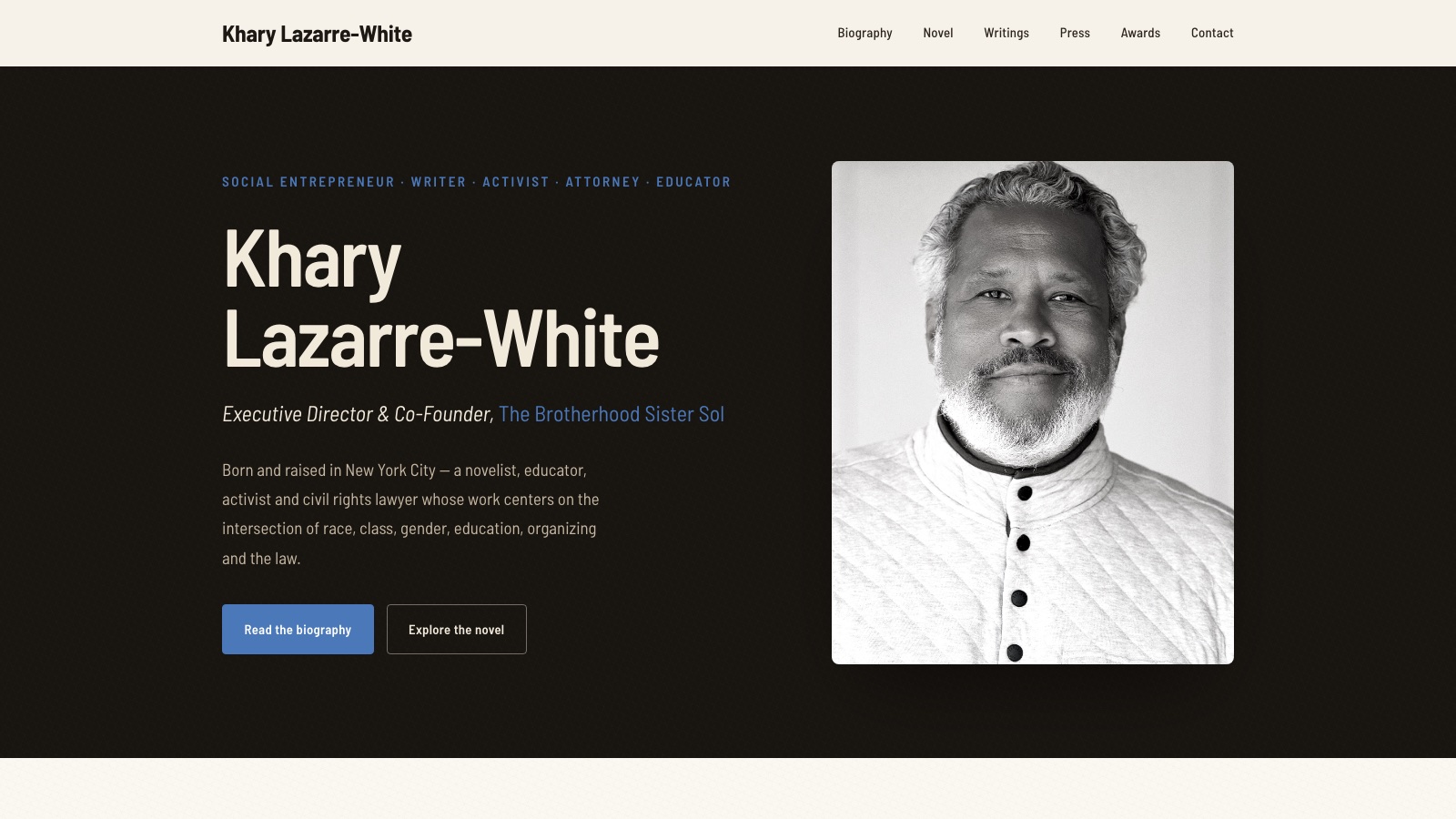
Khary Lazarre-White: Website redesign and development
Redesign and modernization of the curriculum platform.
Redesign and development, July 2026.
Building Surviving ComicCon, Beta v0.8.0.
Supabase backend — schema and database.
GitHub — version control, 425 commits.
01 · Build
Claude Code
Design and implementation in one pass, in VS Code.
02 · Version
GitHub
Every change committed and reviewable.
03 · Deploy
Netlify
Push to main, build and ship automatically.
04 · Live
Surviving ComicCon
In front of real users, iterating continuously.
Data layerSupabasePostgres, auth, and storage behind the running app.
Primary tools
Claude CodeVisual Studio CodeCursorFigmaSupabaseNetlifyGitHub
Takeaway
What an experiment became
What began as an experiment had become a sustainable way of building products. By combining product strategy, UX design, AI-assisted development, and a modern deployment stack, I significantly reduced the time between an idea and a working solution, allowing me to prototype, test, and ship with greater speed and confidence while maintaining a high standard of quality.
Today
Today
Over the past several months, one place I've visited regularly is Reddit, particularly product design and UX discussions. I've noticed a growing uncertainty among designers about their role as companies increasingly use AI to build products. Many worry that AI is taking their jobs, and given the number of talented creators being laid off across the industry, that concern isn't without merit.
But one thing has become clear to me: AI isn't a cheat.
AI output may look effortless, but this new workflow requires a surprising amount of reading, thinking, and judgment.
Once you have an idea or task, you ask AI to create a plan. But the work doesn't stop there. You have to read the plan, understand it, challenge it, and determine whether it actually aligns with the goal.
Then you build.
And you read again.
You need to understand what the AI is creating, why it made certain decisions, and how the pieces fit together. Without that understanding, you don't really know how your product was built or whether it is solving the problem you intended to solve.
AI can write the code.
You still have to know what the code should accomplish.
AI hasn't replaced experienced product designers. It has expanded what's possible.
Takeaway
The Job Market
The market has changed significantly.
During the pandemic-era tech boom, UI/UX was heavily marketed as an accessible and lucrative path into technology. As interest rates rose and companies shifted from aggressive growth to greater efficiency, the industry began asking more of smaller teams.
The result is a growing demand for hybrid skill sets: designers who can understand and work with code, product managers who can contribute to design, and product professionals who can move fluidly between strategy, design, and technology.
At the same time, AI is transforming how products are built. Work that once required hours of manual effort, prototyping, UI production, and implementation can now be accelerated dramatically. The result is a shift toward smaller, more capable teams and people who can contribute across strategy, design, and technology.
That doesn't make product thinking, design judgment, or experience less valuable. It makes them more important.
I continue to interview with companies that are embracing AI and looking for new ways to build. As my skill set continues to expand, I'm excited to bring that experience to teams solving meaningful problems, combining strategic thinking, product craft, design, and emerging technology to create products that matter.
Then vs. Now
September 2025
August 2026
Designing primarily in Figma
Designing and building simultaneously
WordPress & Divi workflow
Claude Code-first workflow
Static prototypes
Production-ready prototypes
Traditional handoff
AI-assisted product development
Designer
AI-native product creator / design engineer
One year.A completely different workflow.Still solving problems.Still creating products.Now building ideas faster than ever before.